
Last updated November 16, 2026
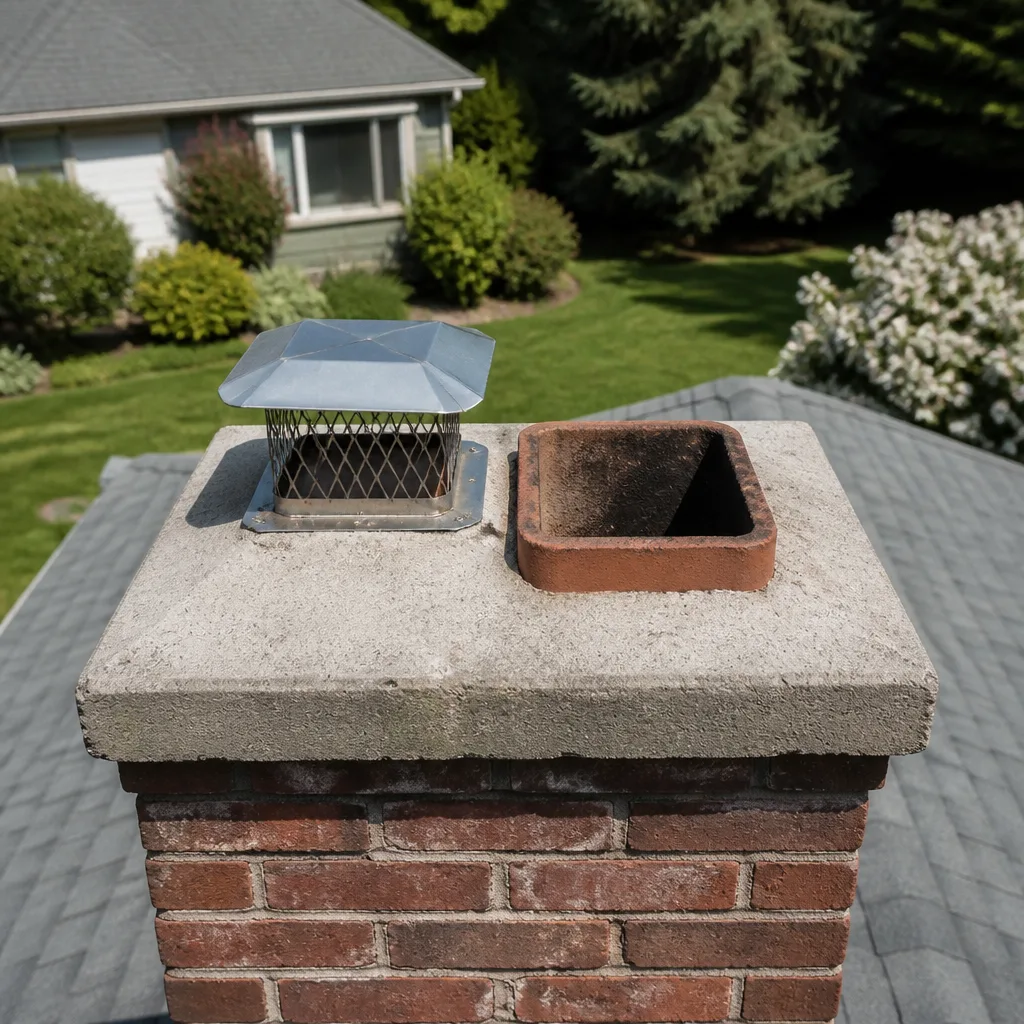 Sweep & inspection
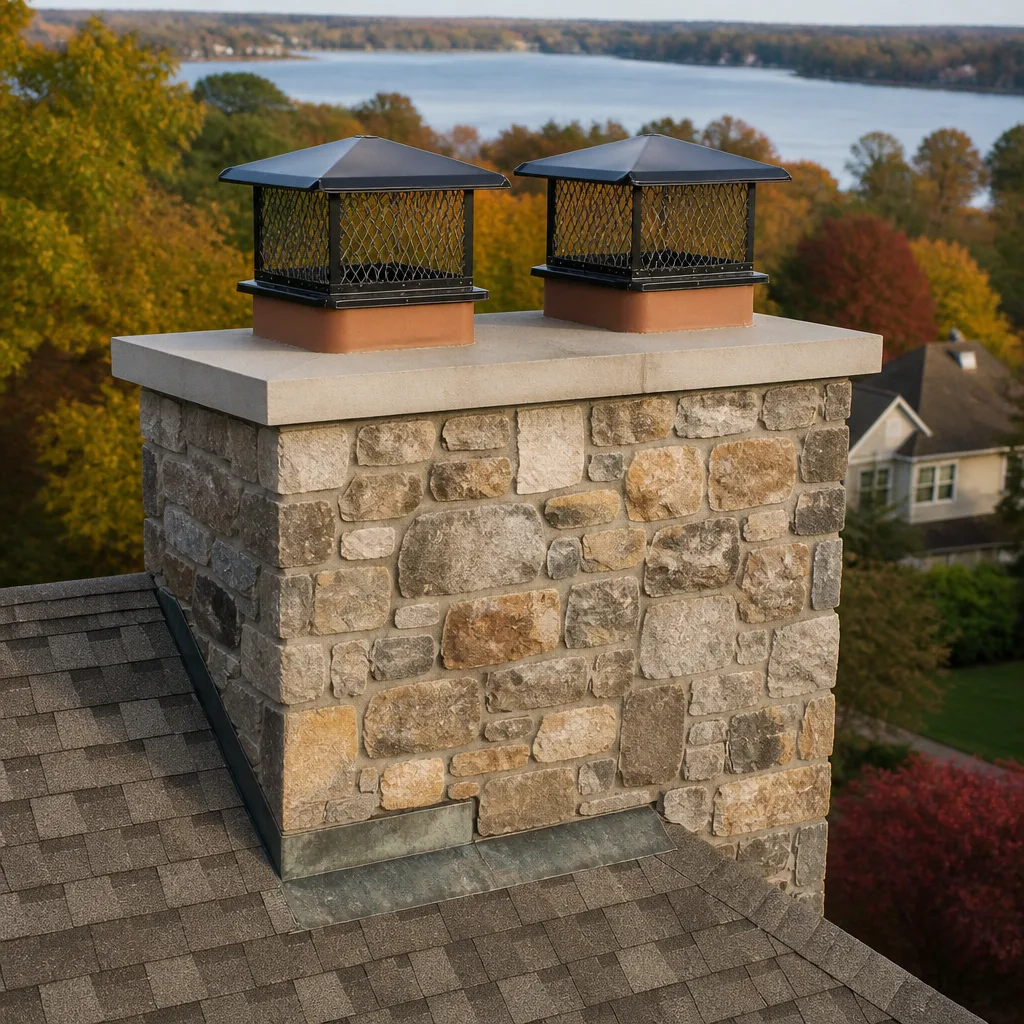 Caps & crowns
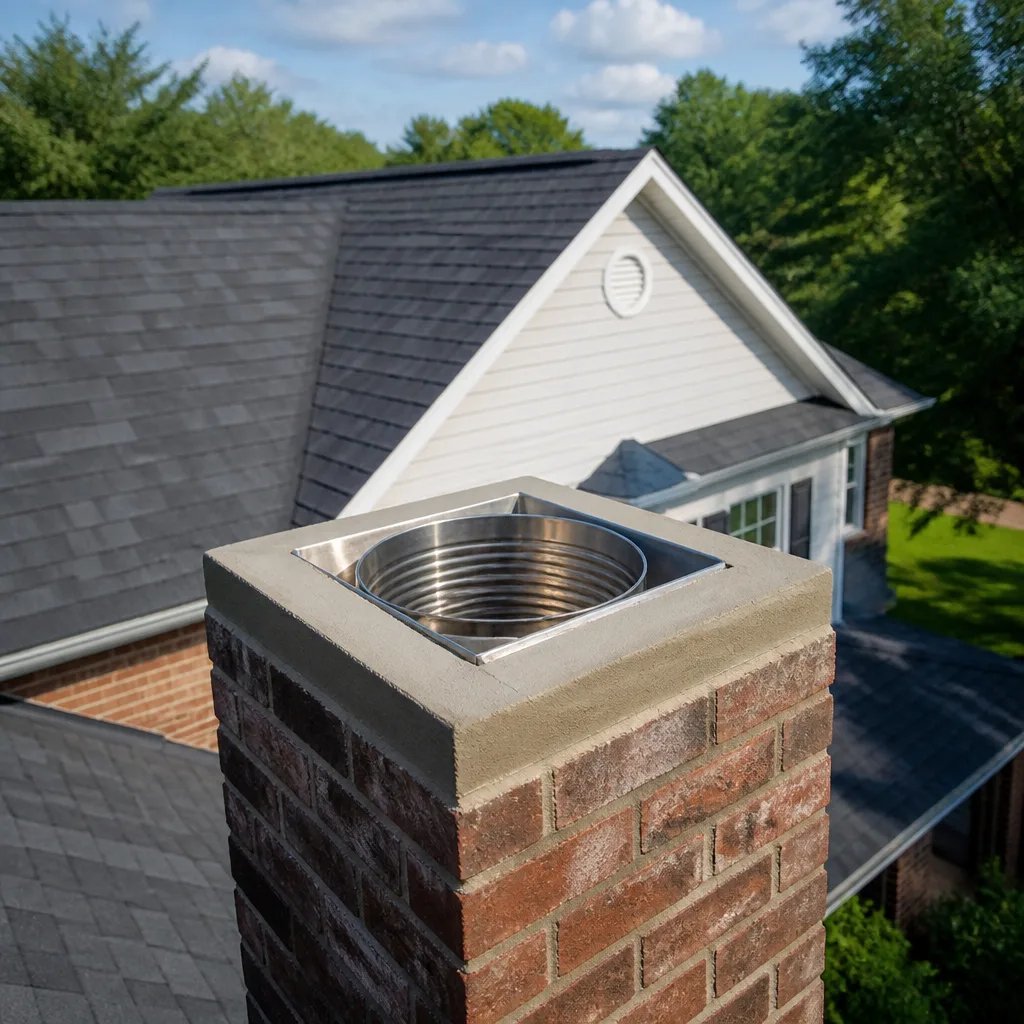 Flue relining
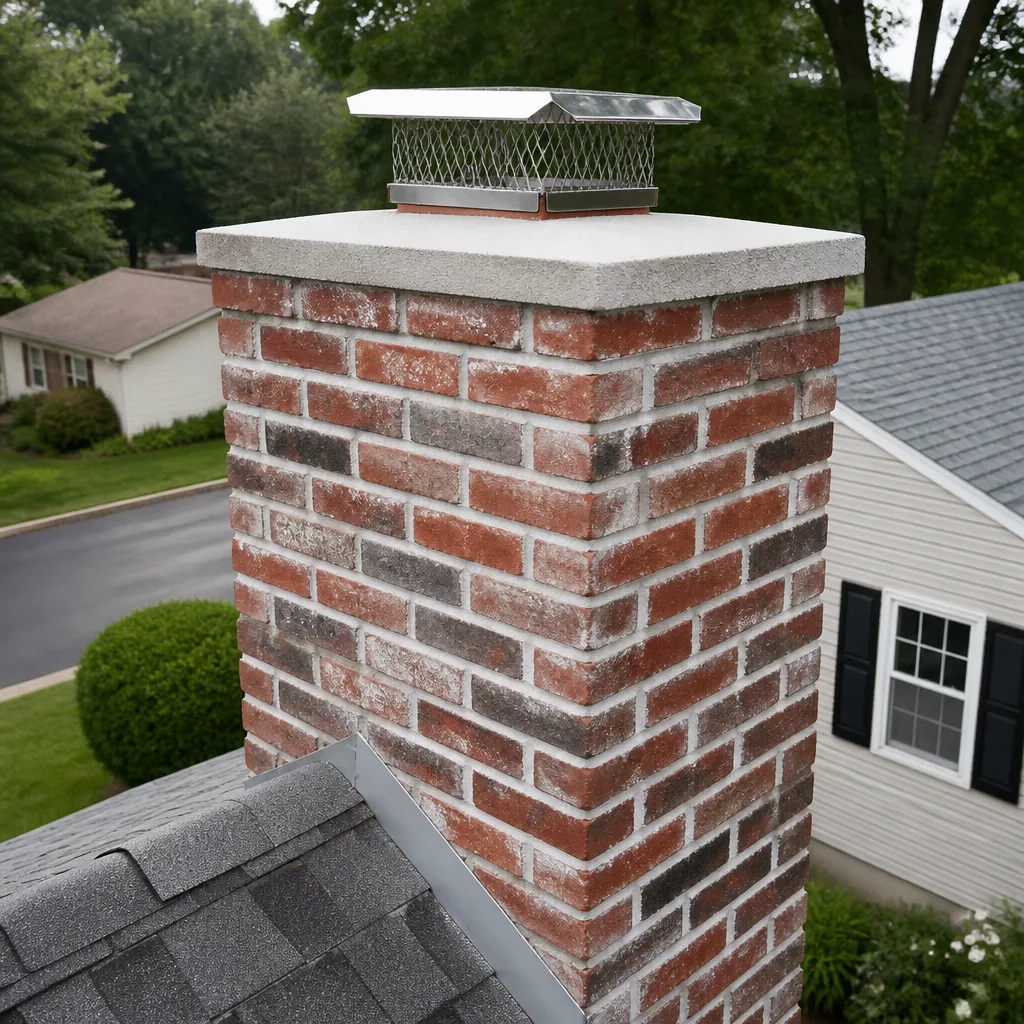 Masonry repair
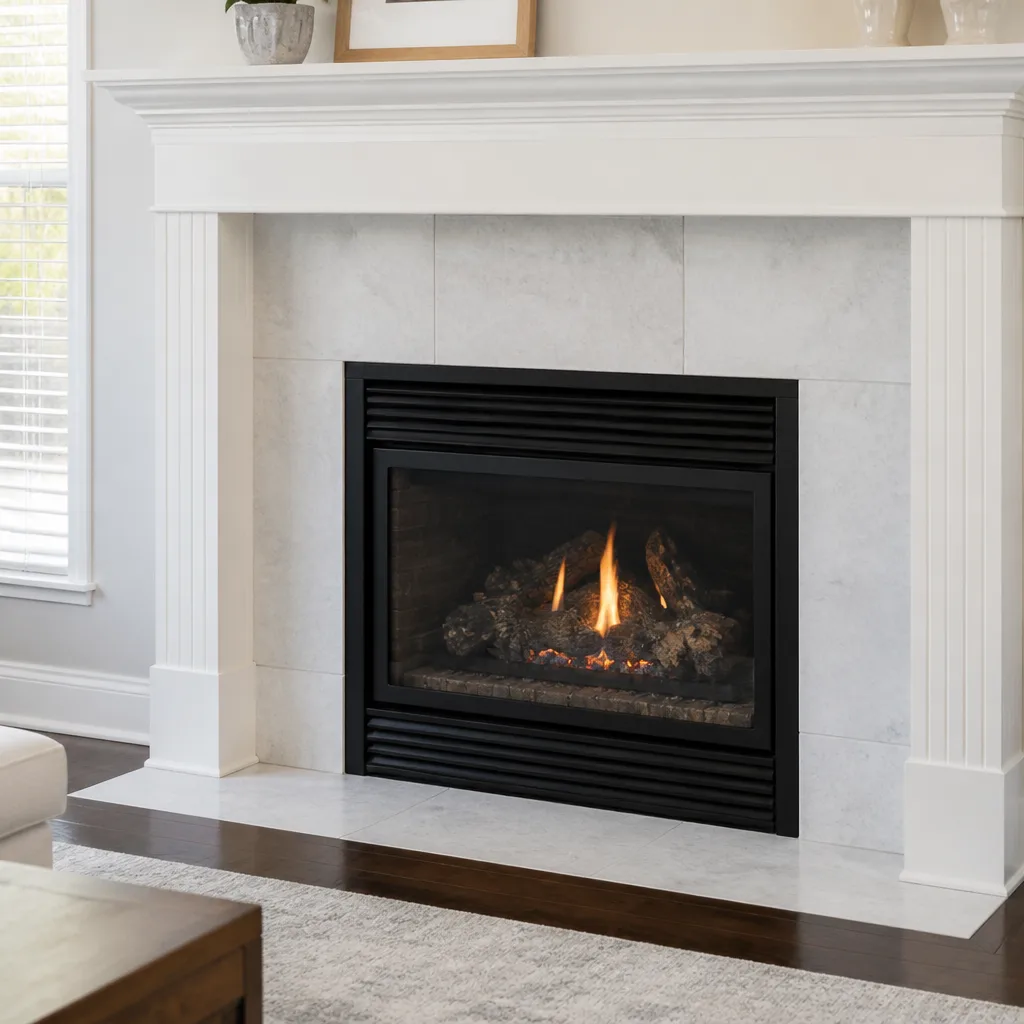 Gas fireplace service
Level 1 sweep and inspection to the NFPA 211 annual standard - flue, crown, cap, and flashing checked and photographed
Chimney sweep logs do not sweep chimneys. They loosen some creosote - which then falls where a brush and vacuum still have to collect it.
Chimney Cleaning Warning Signs: An Elgin Homeowner’s Reference Guide
A white stain on your chimney’s exterior brick isn’t aesthetic damage. It’s efflorescence, and it tells you water has already moved through the masonry. By the time that stain is visible on the outside, the interior has usually been absorbing moisture for longer than the stain has existed. That gap between what you can see and what’s actually happening inside the flue is where most chimney problems hide. This guide pairs the six warning signs Elgin homeowners report most often with what each one means mechanically, which repair it typically leads to, and how to tell a minor issue from one that needs attention before the next heating season.
Quick Answer
The most common chimney cleaning warning signs are efflorescence (white staining), spalling brick, a rusted damper, smoky odors between uses, visible creosote in the firebox, and a cracked crown. Each points to a specific root cause, and most fall into one of two categories: a draft problem or a liner problem. Draft issues usually involve the damper, cap, or flue height. Liner issues involve cracking, offset flues, or blockage. Triage starts with identifying which category your sign belongs to, because the repair pathway is very different for each.
Styles & brands we work with
- Sweep & inspection
- Caps & crowns
- Flue relining
- Masonry repair
- Gas fireplace service
Table of Contents
- The Six Warning Signs and What They Actually Mean
- Efflorescence and Spalling Brick: Water in the Masonry
- Rusted Dampers and Smoky Odors: The Interior Signs
- Visible Creosote and Why It Matters in Elgin
- Draft Problem or Liner Problem? How to Tell
- HeatShield Resurfacing vs. Full DuraFlex Relining
- What Elgin Homeowners Misattribute to “Old House” Quirks
- What a Real Inspection Documents
The Six Warning Signs and What They Actually Mean
Most chimney advice tells you what to look for. Very little of it explains what the sign means mechanically, and that gap is why homeowners either panic over a cosmetic issue or ignore a structural one for a season too long. Each of the six signs below points to a specific failure mode in the chimney system, and each has a predictable repair path. Here’s the mapping in one place.
- Efflorescence (white staining on exterior brick): Water has moved through the masonry and is depositing dissolved salts on the surface as it evaporates. Root cause: a failed crown, cracked mortar joints, or a missing or failed cap letting rain in.
- Spalling brick (flaking, crumbling faces): The same water intrusion, now advanced enough that freeze-thaw cycles are breaking the brick faces apart. Root cause: prolonged moisture exposure. Repair: crown rebuild, tuckpointing, and often a new cap.
- Rusted damper: Moisture from the flue is condensing above the damper and dripping onto it. Root cause: a chimney with no cap, a cracked crown, or a liner that’s failed and letting flue gases condense higher in the flue.
- Smoky odor between uses: Flue gases are backing down into the living space rather than exhausting. Root cause: negative pressure, a stuck damper, or liner gaps.
- Visible creosote in the firebox or flue: Normal byproduct of wood combustion, but the amount and texture matter. Glazed creosote is the serious tier. Root cause: cool or restricted flue, wet wood, or overdue sweeping.
- Cracked crown: The concrete cap at the top of the chimney has cracked, and water is now entering the masonry from above. Root cause: settlement, freeze-thaw, or age. Repair: crown rebuild or resurfacing.
Notice that four of the six lead back to water. That’s not a coincidence in Elgin’s climate. Freeze-thaw cycles through the winter and freeze-thaw shoulder seasons in spring and fall work masonry hard, and any crack in the crown or mortar joint becomes a water entry point that widens with every cycle. If you’re tracking warning signs through the year, water intrusion is the single thread that runs through most of them.
Efflorescence and Spalling Brick: Water in the Masonry
Efflorescence is the white, chalky deposit you see on the outside of a chimney. It’s not mold, and it’s not a stain from the fire. It’s the visible end of a water path through the masonry. Water enters a crack, dissolves salts out of the brick and mortar, then evaporates at the surface and leaves the salt behind. The stain you’re looking at is the residue of a trip that water made through your chimney and back out.
What most homeowners don’t realize is that the stain shows up late. Water moves through the masonry long before enough salt accumulates to be visible, which is why a stain that appeared recently usually represents months, not weeks, of moisture. If the efflorescence is light and powdery, you’re probably looking at the early stage. If it’s thick and crusty, the masonry has been wet for a longer season.
Spalling brick is the next stage. Once the brick is saturated and cycles through freeze-thaw, the face of the brick flakes off in sheets or crumbles into grit. Elgin sees spalling on older chimneys more than newer ones, largely because the brick and mortar formulations on pre-war homes absorbed more water than modern mixes. When spalling appears on a crown-adjacent course of brick, it’s usually a sign the crown above has been cracked and directing water into that brick for years.
The repair path for both is the same sequence, ordered by severity:
- Stop the water entry. Crown rebuild or resurfacing, a proper chimney cap, and repointing any failed mortar joints.
- Restore what spalled. Brick replacement for the damaged courses, followed by tuckpointing to close the joints.
- Guard the outside. A well-fitted chimney cap – we install Famco and Gelco caps for exactly this reason – keeps rain out of the flue and prevents the cycle from restarting.
The critical thing is that efflorescence and spalling are not separate problems. They’re the same water intrusion at two points on the timeline. If you fix the surface staining without addressing the crown, cap, or mortar joints feeding it, the stain returns.
Rusted Dampers and Smoky Odors: The Interior Signs
A rusted damper is the clearest interior sign that moisture is working from inside the chimney, not just outside. The damper sits at the top of the firebox, and it rusts when condensation drips down from above. That condensation is flue gas, cooled by an uninsulated or leaking flue, depositing water on every metal surface in its path. Rust on the damper means the same moisture is also attacking the firebox, the smoke chamber, and the liner.
Two separate causes produce that condensation. The first is a chimney with no cap – rain runs straight down the flue. The second is a liner that’s lost its insulation or has developed cracks and offsets, letting warmed flue gas cool and condense on the interior. Fixing the rust without fixing the source is pointless: the damper corrodes again on the next thermal cycle.
Smoky odor between uses has a different cause altogether, and it’s the sign homeowners most often misread. A chimney that smells smoky when it’s not in use is not leaking smoke. It’s pulling flue gases backwards into the house because the pressure inside the home is lower than the pressure inside the flue. The most common Elgin pattern is warm days followed by cool nights in spring and fall: the flue is cold, the house is warm, and the pressure difference is enough to pull a small amount of flue gas and creosote odor into the living space.
The specific case worth understanding is “smoky smell after rain.” That’s negative pressure pulling flue gases through liner gaps, not flue gas coming down the top of the flue. Rain cools the flue quickly, drops the pressure inside it, and if the liner has cracking or offset joints, the pressure difference pulls a small amount of flue gas and moisture into the smoke chamber and out through the firebox. So “smoky smell after rain” is a liner-gap signal, while “smoky smell during use” is more likely a draft or damper signal.
Visible Creosote and Why It Matters in Elgin
Creosote is the tar-like residue left by wood combustion. You’ll see it as a shiny black or brown coating on the firebox walls, the damper frame, and the first few feet of the flue. A thin, dry, powdery deposit is normal between sweeps. A thick, sticky, glazed deposit is the tier that has to be removed, and it’s the reason chimney fires happen.
The distinction that matters is the texture, not just the amount:
- Stage 1 (soot and light flake): Dry, powdery. Removable with a standard sweep. Normal between annual cleanings.
- Stage 2 (flake and crust): Harder, more compacted deposit. Still removable, but usually means the sweep is overdue.
- Stage 3 (glazed): Shiny, tar-like, hardened onto the flue surface. This is the fire-risk tier. It sustains combustion and it doesn’t brush off by hand.
Elgin’s shoulder seasons create the conditions for glazed creosote in a way warmer climates don’t. Homeowners burn through winter, cool the fire down in spring, and let the flue sit with a layer of fresh deposit that never gets hot enough to bake off. The next season adds another layer. Two or three seasons of this, plus a habit of burning less-than-dry wood, and you have the glazed tier.
If you see visible creosote in the firebox, that’s the cue to schedule a sweep, not to look at it for another season. The layer you can see from the firebox is a fraction of what’s up the flue. An annual chimney sweep removes the deposit down to bare flue surface and lets the technician see the liner condition while they’re up there.
Draft Problem or Liner Problem? How to Tell
The most useful triage a homeowner can do is tell a draft problem apart from a liner problem. The repairs are different, the costs are different, and the timeline for each is different. The signs are easier to read than most people realize once you know what to look for.
A draft problem means the chimney isn’t creating enough pull to exhaust smoke. It shows up when you start a fire, not after the chimney has been sitting. Key indicators:
- Smoke spills into the room on startup, then clears once the fire is hot.
- Smoke reverses on windy days, especially on the downwind side of the house.
- The fire smokes heavily until you open a nearby window.
- Smoke comes out of the top of the firebox rather than rolling up into the flue.
A liner problem means the flue itself is compromised. It shows up any time smoke is present, including when the chimney has been cold for hours. Key indicators:
- A smoky odor in the room when no fire is burning.
- A smoky smell after rain, as described above.
- Smoke pulling through the firebox walls rather than up the flue.
- Visible cracking, offset, or gaps in the flue, seen with a camera inspection.
The wind test is often the fastest discriminator. A fire that smokes on a windy day but drafts fine on a still day has a draft problem – usually a cap that’s too short, a flue that’s too short relative to the surrounding roofline, or a damper that isn’t opening fully. A fire that smokes even on a still day, or that leaves a smoky odor between uses, has a liner problem more often than not. If the smell is present when the fire isn’t, the flue can’t be sealed, and that points to the liner.
HeatShield Resurfacing vs. Full DuraFlex Relining
This is the decision point where a lot of chimney advice gets vague. The short version: HeatShield is a resurfacing system that restores a liner that’s still structurally sound but has cracking or surface deterioration. DuraFlex is a relining system for a liner that’s failed, missing, or the wrong size for the appliance. Which one applies depends on what the inspection finds.
HeatShield is appropriate when:
- The existing liner is structurally intact – no offsets, no missing sections, no oversizing.
- The damage is surface-level: cracks, spalling in masonry-flue systems, or gaps at joints that are still aligned.
- The flue is the right size for the appliance (a fireplace, insert, or stove), and resurfacing keeps it at that size.
DuraFlex or Olympia Chimney relining is appropriate when:
- The liner has offset joints, missing sections, or has collapsed.
- The existing flue is unlined or the existing liner is the wrong diameter for the appliance.
- The appliance has been upgraded to something the original flue wasn’t sized for.
- Back-to-back or interior flues need the insulation that a flexible liner system provides.
The practical difference for an Elgin homeowner is that HeatShield lets you restore a chimney that would otherwise need full replacement, which keeps the original footprint and the original masonry intact. It’s a certified liner restoration product, and it’s the part of the repair menu most basic sweep services can’t offer because they don’t stock or install it. We carry HeatShield specifically because the decision between resurfacing and relining comes up on almost every inspection that finds liner damage, and it should be answered in the same visit, not handed off to a second contractor.
The inspection determines which pathway is correct. There’s no shortcut: a camera inspection of the flue, viewed with the homeowner, is the only way to know whether the liner can be resurfaced or needs to be replaced.
What Elgin Homeowners Misattribute to “Old House” Quirks
Older homes in Elgin have character. They also have chimneys that were built for a different fuel and a different appliance, and some of the quirks homeowners learn to live with are active failures. The pattern we see most is a symptom that’s been there so long it feels like the house’s personality.
“The fireplace always smokes a little when we start it.” That’s a draft problem, not a house quirk. It usually traces to a cap that’s too short, a flue that’s too short relative to the roofline, or a damper that doesn’t open fully. It’s fixable without rebuilding the fireplace.
“The basement always smells like smoke in the winter.” That’s a liner or pressure problem, not a basement dampness issue. A basement fireplace or a flue that runs through the basement pulls flue gas into the space when the pressure drops, and it shows up as a faint creosote odor, not visible smoke.
“The brick on the chimney is always a little crumbly.” That’s spalling, and it’s active water damage. The “always” tells you it’s been progressing for years. Left alone, it moves from brick faces to brick bodies to structural failure.
“The chimney leans a little.” That’s settlement, and it’s not cosmetic. A leaning chimney has shifted at the foundation, and the liner inside has likely shifted with it. The offset is exactly what causes the smoky smell after rain described earlier.
“The fireplace has always been a little smoky-smelling even when it’s not lit.” That’s a liner gap. It’s not the house; it’s the flue, and the fix is one of the two repair pathways described above.
None of these are personality traits. Each is a specific failure mode with a specific repair. The reason homeowners misread them is that they develop slowly and the house adjusts around them – furniture is placed away from the draft, the fire is lit with a window cracked, and the smell becomes background. A proper inspection breaks the pattern by showing the cause rather than just the symptom.
What a Real Inspection Documents
A chimney inspection that produces a verbal “you’re fine” or “you need a new liner” isn’t an inspection. It’s a guess. The inspection we recommend – and the one we perform – documents the chimney in a way you can review after the technician leaves.
What it should include:
- Exterior assessment. Crown, cap, flashing, masonry joints, and efflorescence or spalling patterns.
- Firebox and smoke chamber assessment. Creosote stage, damper operation, and visible cracking.
- Camera inspection of the flue. Full run from the top to the smoke chamber, with stills or video of any cracking, offset, gap, or missing liner.
- Appliance check. Whether the current fireplace, insert, or stove matches the flue size and liner type it’s connected to.
- Photo report. Documentation of what was found, presented to you, not described to you over the phone.
We document what we find with photos, then fix it with materials you can look up: DuraFlex and Olympia Chimney liner systems for relining, HeatShield for resurfacing, Famco and Gelco caps for weatherproofing, and Copperfield for the masonry-side repairs. The point of the documentation is that you can see the cause before you approve the repair, and you know the material going into the flue is a real chimney-industry product rather than an anonymous hardware-store substitute.
A single company handles the sweep, the inspection, and the repair. That matters because the person documenting the findings is the same team that addresses them, and no second contractor gets handed the diagnosis to translate into a repair plan. If you’ve had a sweep tell you the liner is cracked but couldn’t show you, that’s the pattern to break. The chimney repair work we do always starts from the inspection record, not from a phone diagnosis.
Common Mistakes to Avoid
- Treating efflorescence as a cleaning problem. A pressure wash removes the stain and leaves the water path intact. The stain returns because the crown or cap underneath is still letting water in.
- Replacing the damper and not the cause of the rust. A rusted damper means moisture is condensing above it. Replacing the damper without addressing the liner or cap means the new one corrodes the same way.
- Burning “seasoned” wood without checking it. “Seasoned” is a claim on the label, not a fact about the wood. If it hisses when it burns, it’s wet, and it’s building glazed creosote in the flue.
- Ignoring a smoky odor between uses because the fire drafts fine. Odor between uses is a liner-gap signal. The fire drafting fine doesn’t rule out a gap – it means the fire is pulling harder than the gap can leak.
- Assuming a chimney cap is a cosmetic add-on. A properly fitted cap is the single cheapest piece of water prevention on a chimney. In Elgin’s freeze-thaw climate, an uncapped flue is a flue that’s taking in water on every rain.
- Letting a second season pass with a known cracked crown. A cracked crown doesn’t self-seal. It moves from surface cracking to brick-face spalling to structural damage, and the repair cost scales with each stage.
- Hiring a sweep that can’t repair what they find. If the sweep service can only clean, a liner finding becomes a referral, not a repair. You end up describing the problem to a second company that has to re-inspect before they’ll quote.
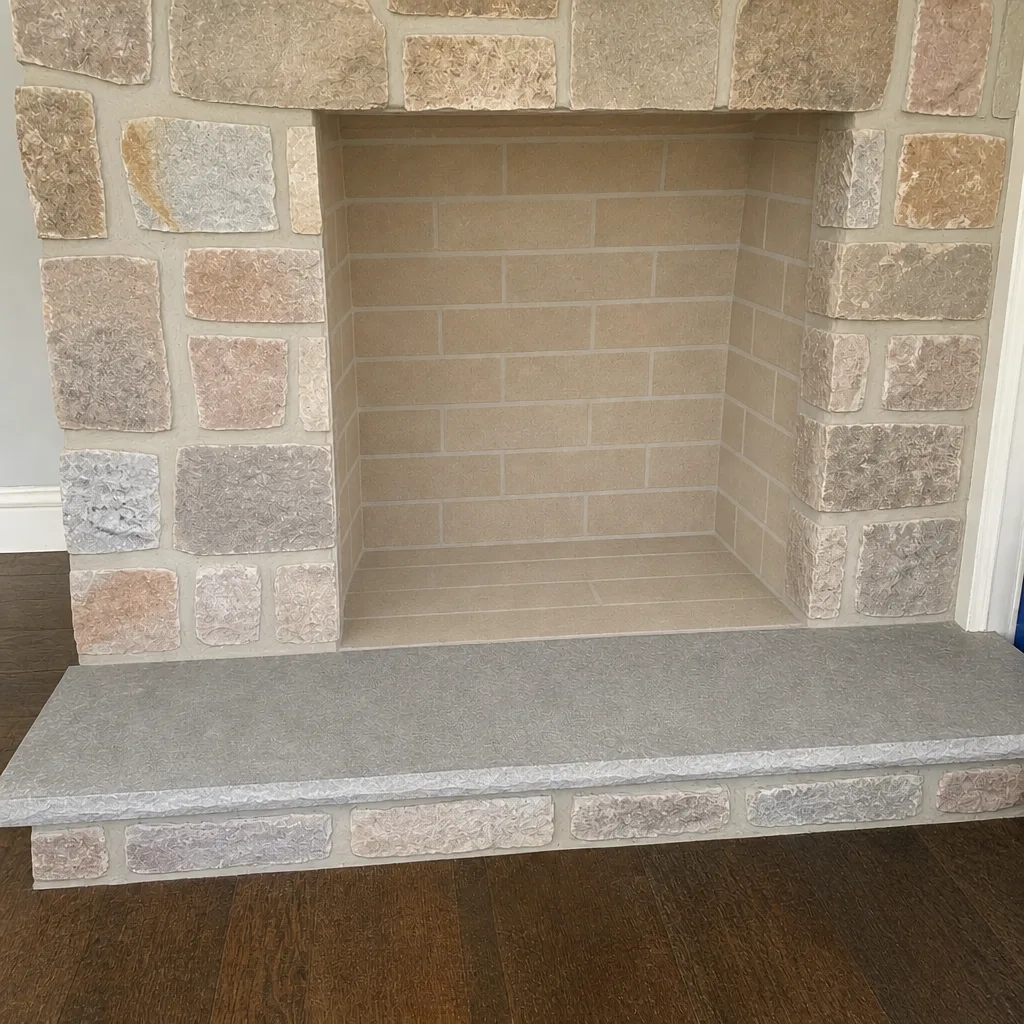
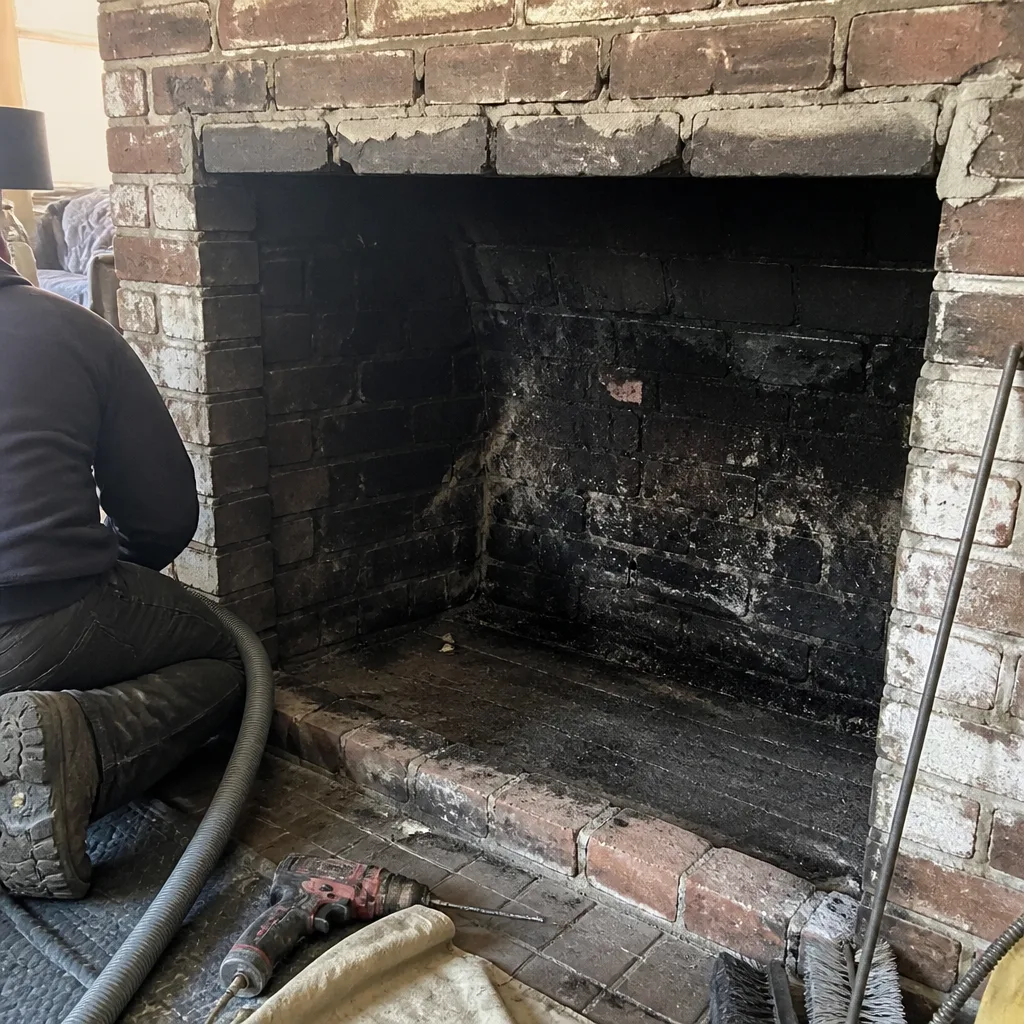
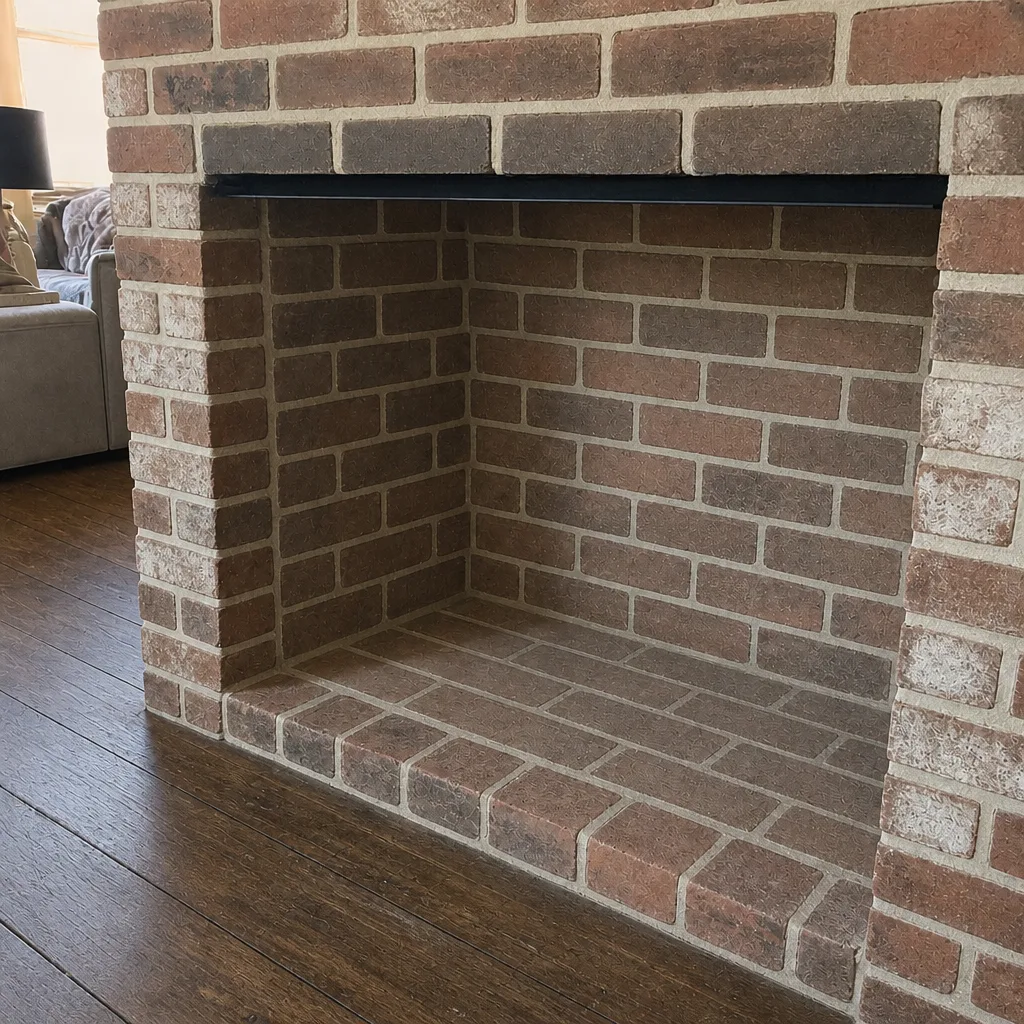
See the difference
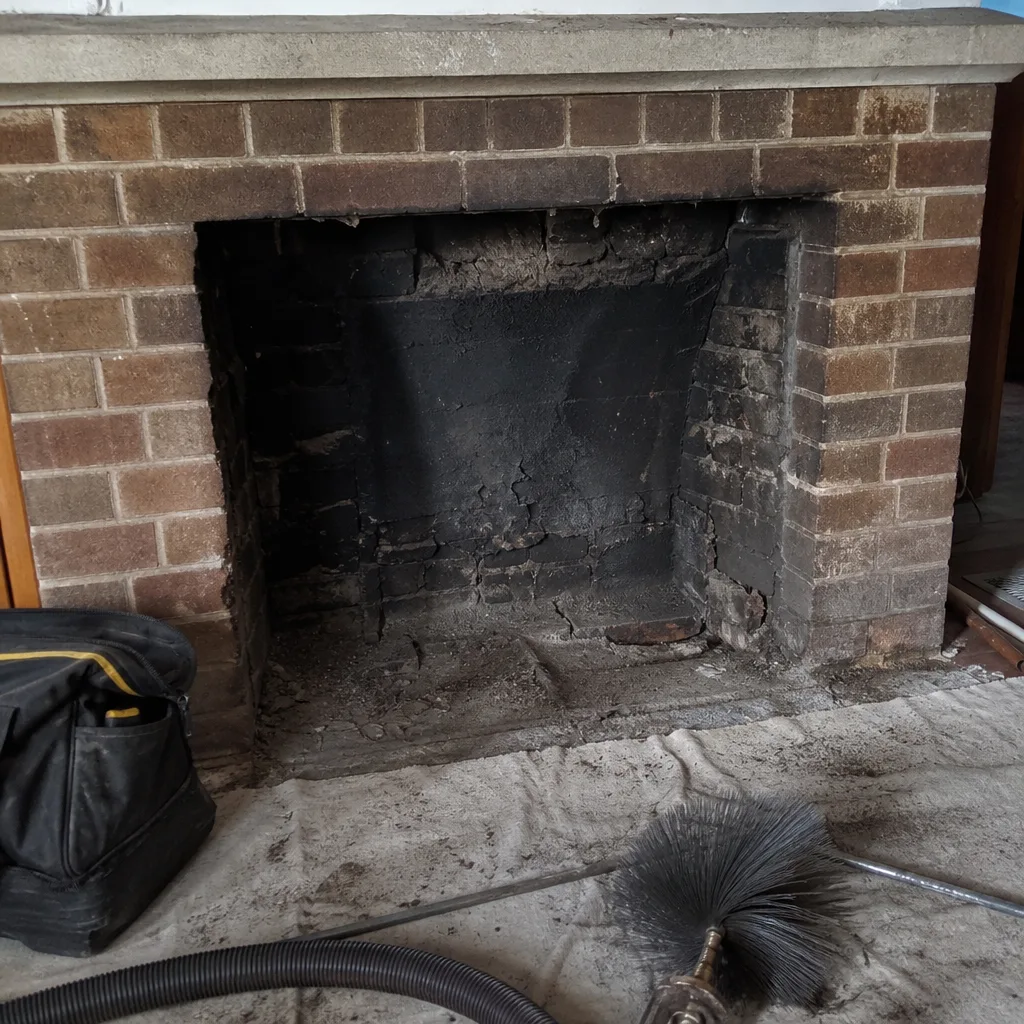 Before
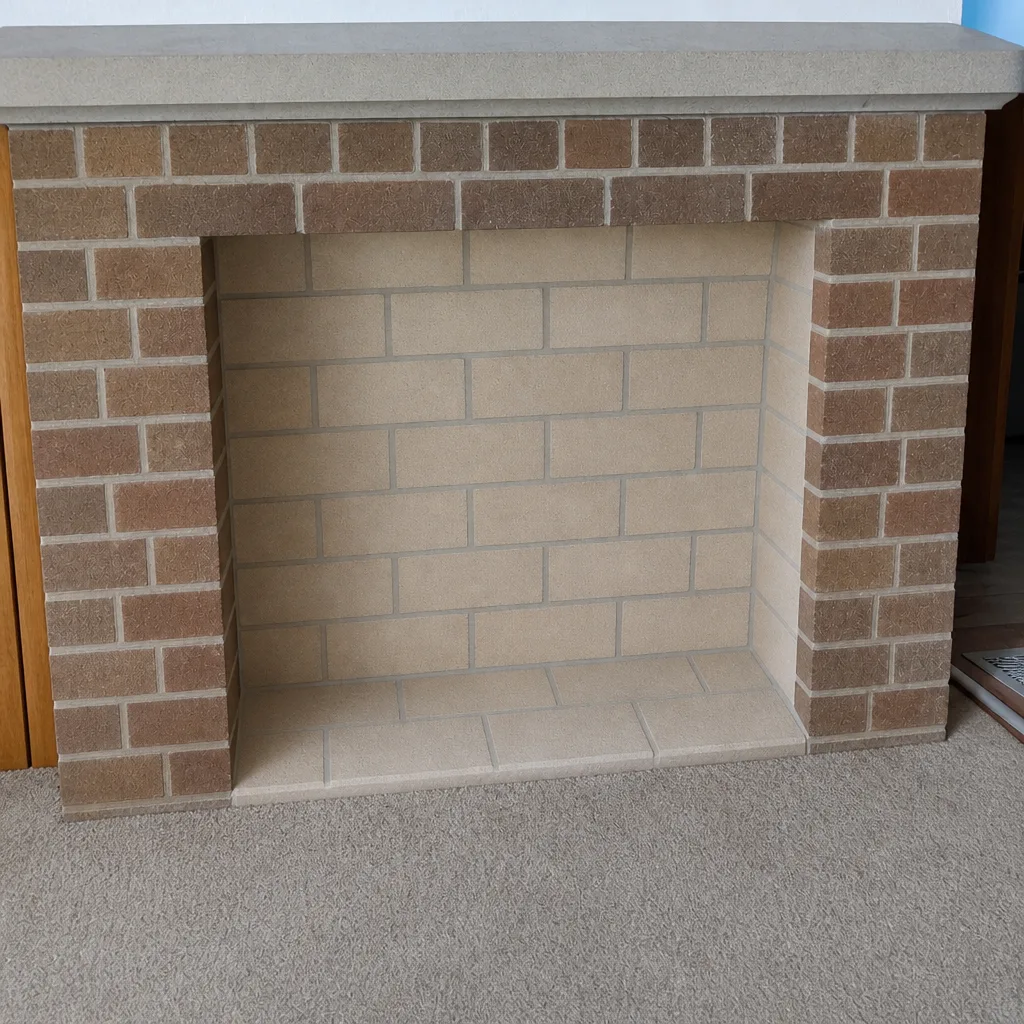 After
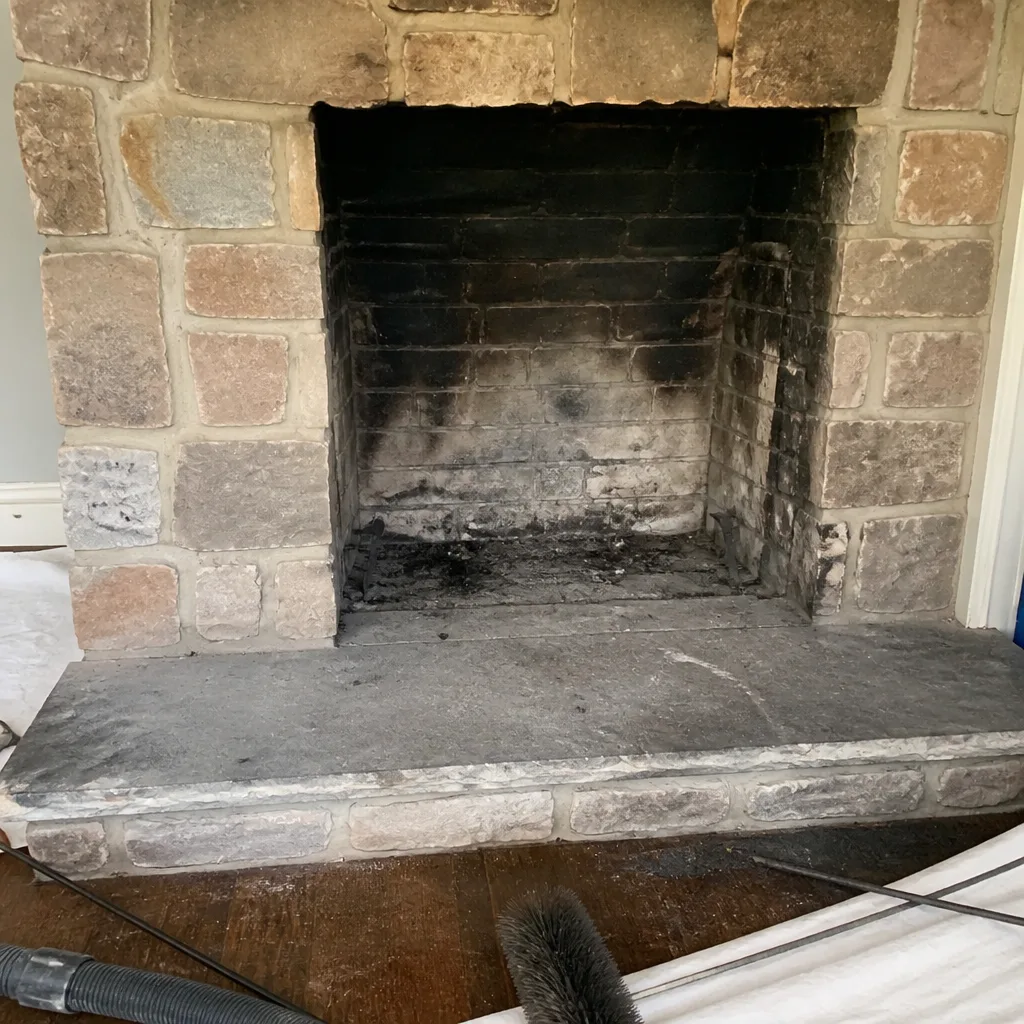 Before
 After
 Before
 After
When to Call a Professional
Call a professional if you see any of the six warning signs from this guide, if it’s been more than a year since the last sweep, or if you’ve moved into a home in Elgin and don’t know the last sweep date. Call if the smoky odor is present between uses – that’s the liner-gap signal, and it doesn’t resolve on its own. Call if the damper is rusted, the crown is cracked, the brick is spalling, or the chimney leans. Call if you’ve had a chimney fire, even a small one – a chimney fire can crack the liner and leave no exterior sign.
Our technicians have up to 11 years of experience and work out of a full-service scope: sweep, inspection, and repair with trade materials from brands like DuraFlex, Olympia Chimney, HeatShield, Famco, Gelco, and Copperfield. Chimney Sweep Elgin offers free estimates in Elgin – call (877) 382-6902. We answer 24/7. Fast dispatch from 7am to 7pm, Sunday through Friday.
Frequently Asked Questions
Efflorescence – the white staining on exterior brick – is the earliest visible sign for most Elgin homeowners. It means water has moved through the masonry for months before the stain appeared, and it usually points to a failed crown, cracked mortar joints, or a missing cap. Call (877) 382-6902 for an exact assessment – estimates are free.
Not necessarily. A smoky smell during use usually points to a draft or damper issue, while a smoky smell between uses, or after rain, points to a liner gap. The distinction matters because the repair is different. A camera inspection settles which one you’re dealing with. Call (877) 382-6902 to book one – estimates are free.
HeatShield resurfacing is appropriate when the existing liner is structurally sound but has surface cracking or joint deterioration. A full DuraFlex or Olympia Chimney reline is appropriate when the liner has offset joints, missing sections, or is the wrong size for the appliance. Only a camera inspection can tell you which applies. Call (877) 382-6902 for an exact quote – estimates are free.
Not an emergency, but not something to defer either. A cracked crown lets water into the masonry, and in Elgin’s freeze-thaw climate that water widens the crack each winter. It’s a repair to schedule, not a same-day call. Call (877) 382-6902 to get it on the schedule with a written estimate.
No. Paint traps the moisture in the masonry and pushes the problem deeper, which makes spalling worse. The water source has to be closed off first – crown, cap, or mortar joints – and then the surface can be addressed. Call (877) 382-6902 for an exact assessment – estimates are free.
Elgin’s shoulder seasons create the condition: warm days and cool nights mean the flue is cold, the house is warm, and the pressure difference pulls a small amount of flue gas backwards into the living space. That’s a negative pressure signal, and if it’s accompanied by a smell after rain, it points to liner gaps. Call (877) 382-6902 for an exact quote – estimates are free.
The Bottom Line
Most chimney warning signs fall into one of two categories: water intrusion (efflorescence, spalling, cracked crown, rusted damper) or liner failure (smoky odor between uses, smell after rain). The creosote sign fits both – it’s a combustion issue that’s made worse by a cool or leaking flue. Triage starts with identifying which category you’re looking at, because draft problems and liner problems take different repair paths. HeatShield resurfacing handles the “sound structure, surface damage” case. DuraFlex and Olympia Chimney relining handle the “failed or undersized liner” case. Famco and Gelco caps close the water path on both.
What ties the whole guide together is documentation. Every repair should trace back to a camera inspection you’ve seen, with a photo report you can review, using a material you can look up by name. If you’re not sure whether what you’re looking at is a house quirk or a system failure, that’s the moment to get it documented rather than defer it another season.
The Chimney Sweep Elgin team works across all three disciplines – sweep, inspection, and repair – so a finding in one visit gets addressed in the next without a referral. If you’re in Elgin, call (877) 382-6902 for a free estimate. We answer 24/7. Fast dispatch from 7am to 7pm, Sunday through Friday. Closed Saturday.
Written by the team at Chimney Sweep Elgin.