
Last updated November 16, 2026
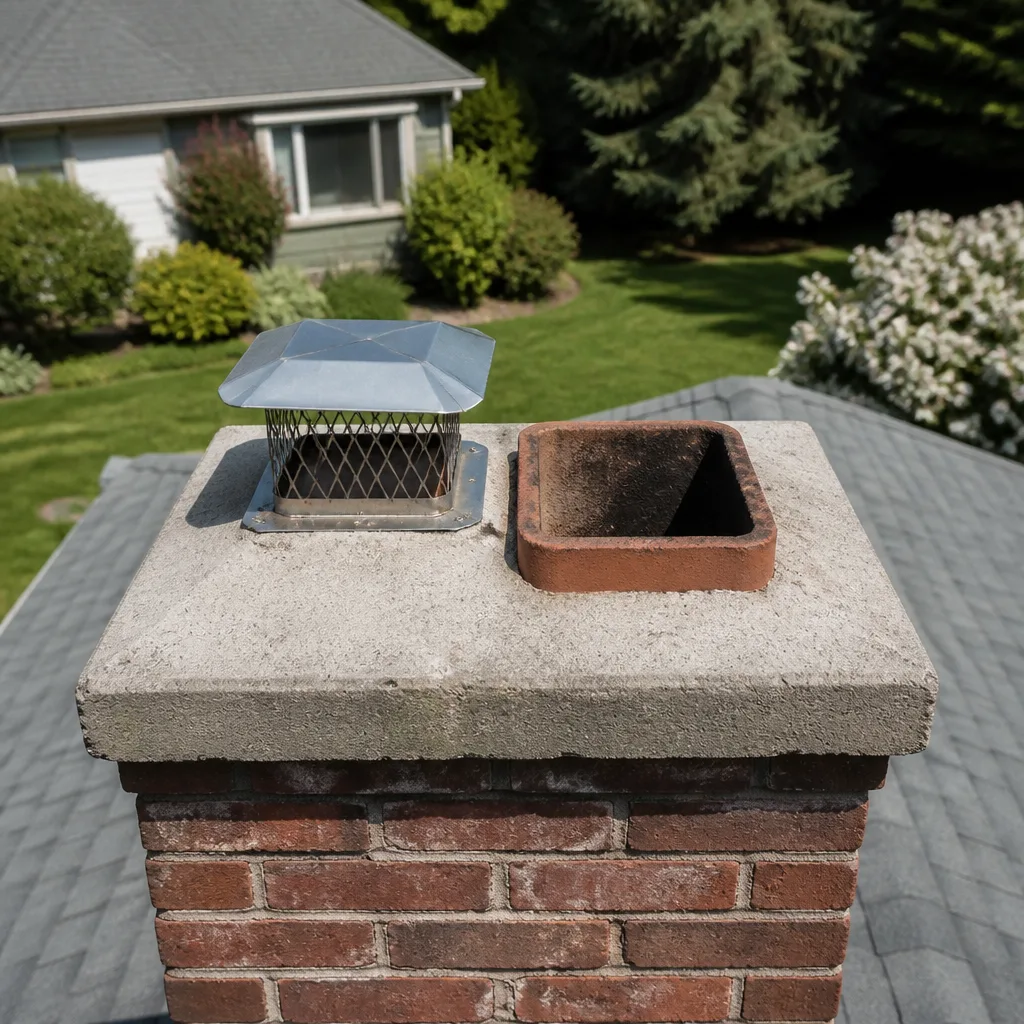 Sweep & inspection
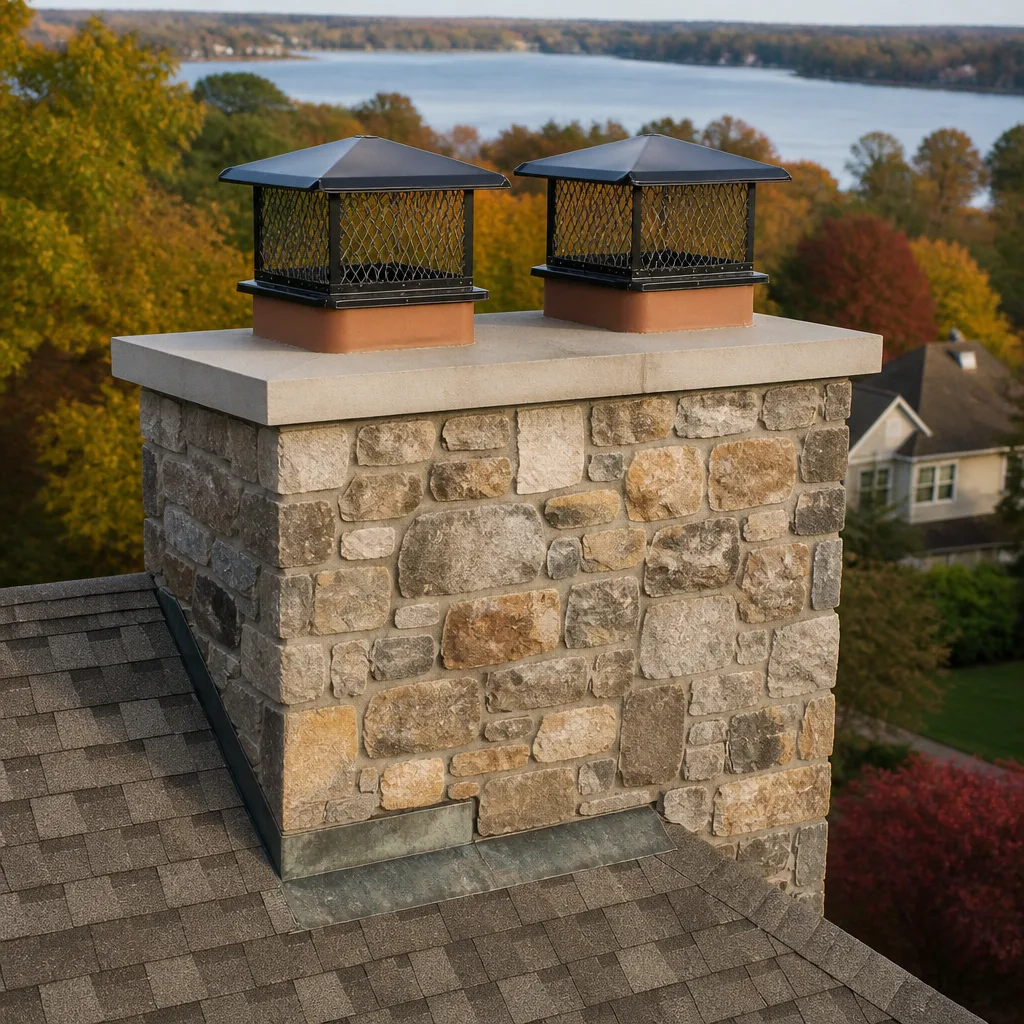 Caps & crowns
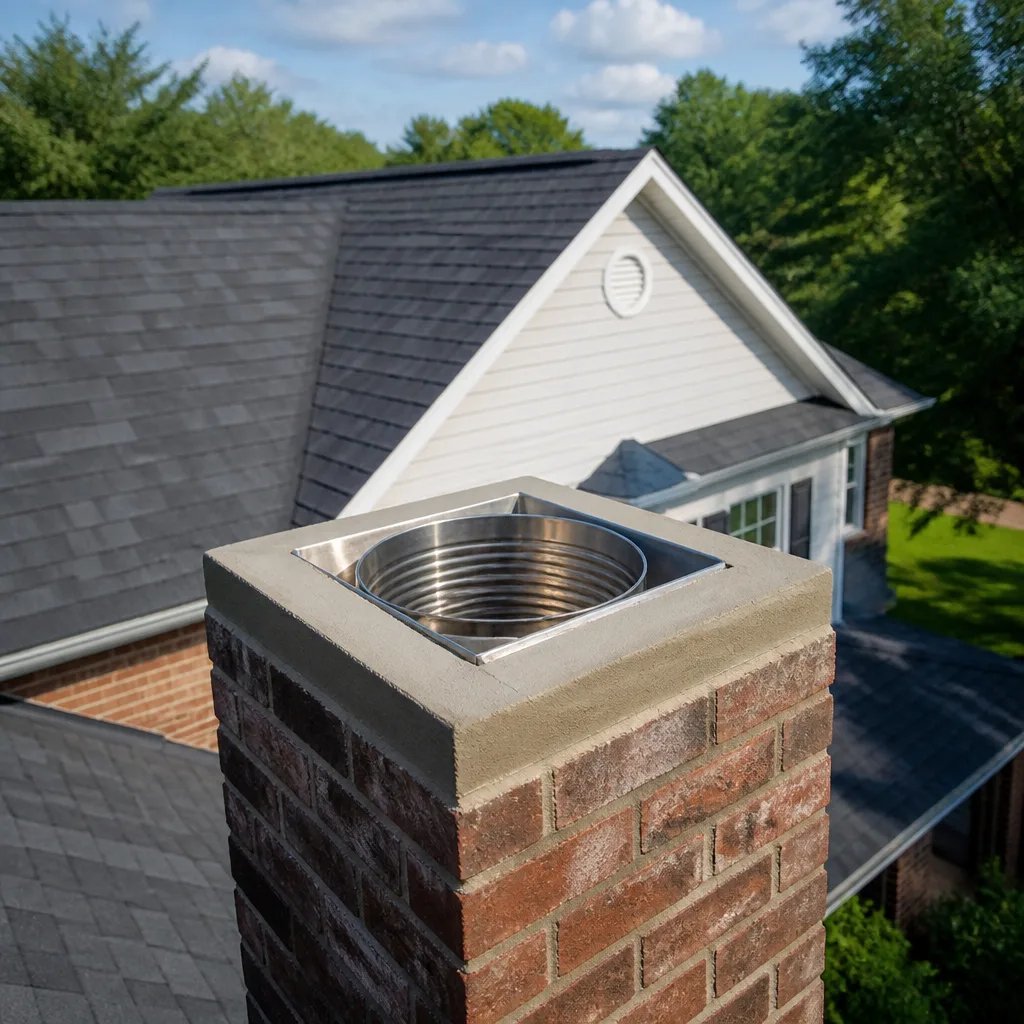 Flue relining
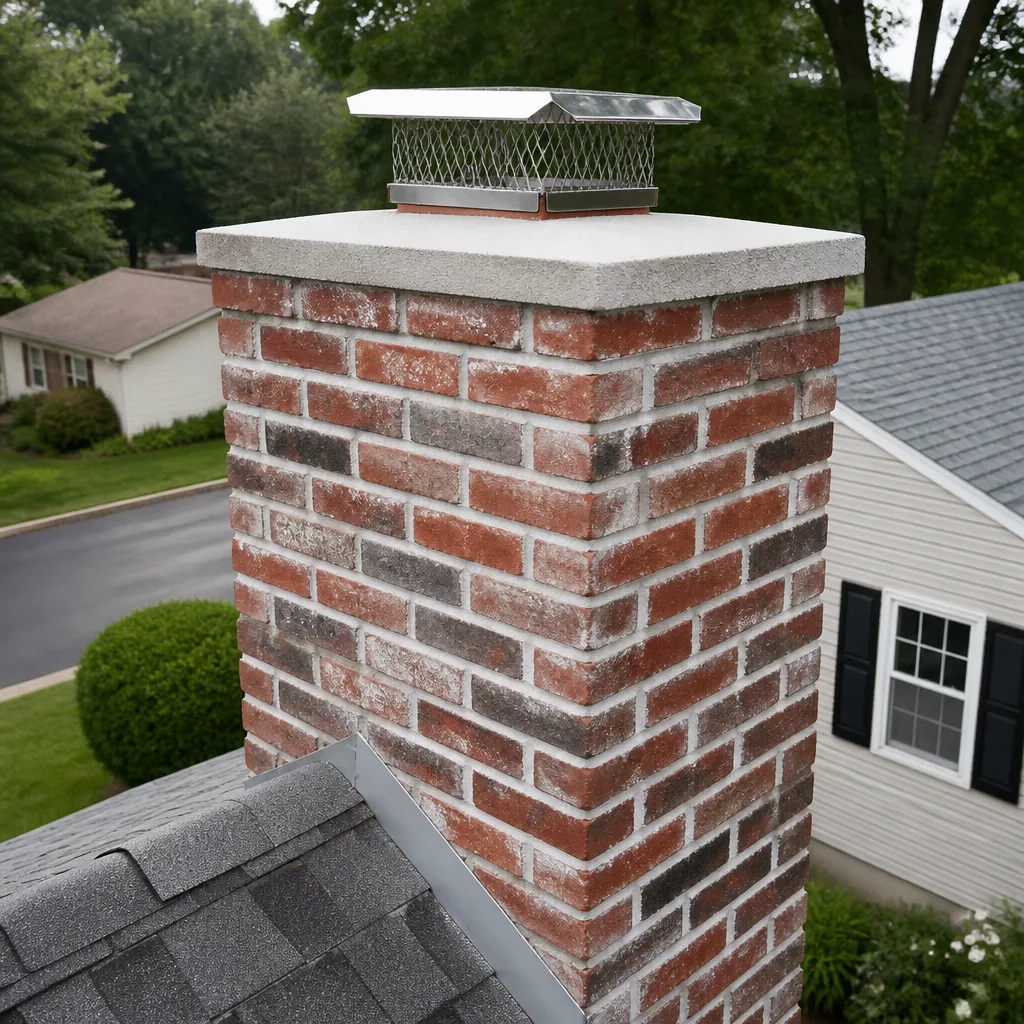 Masonry repair
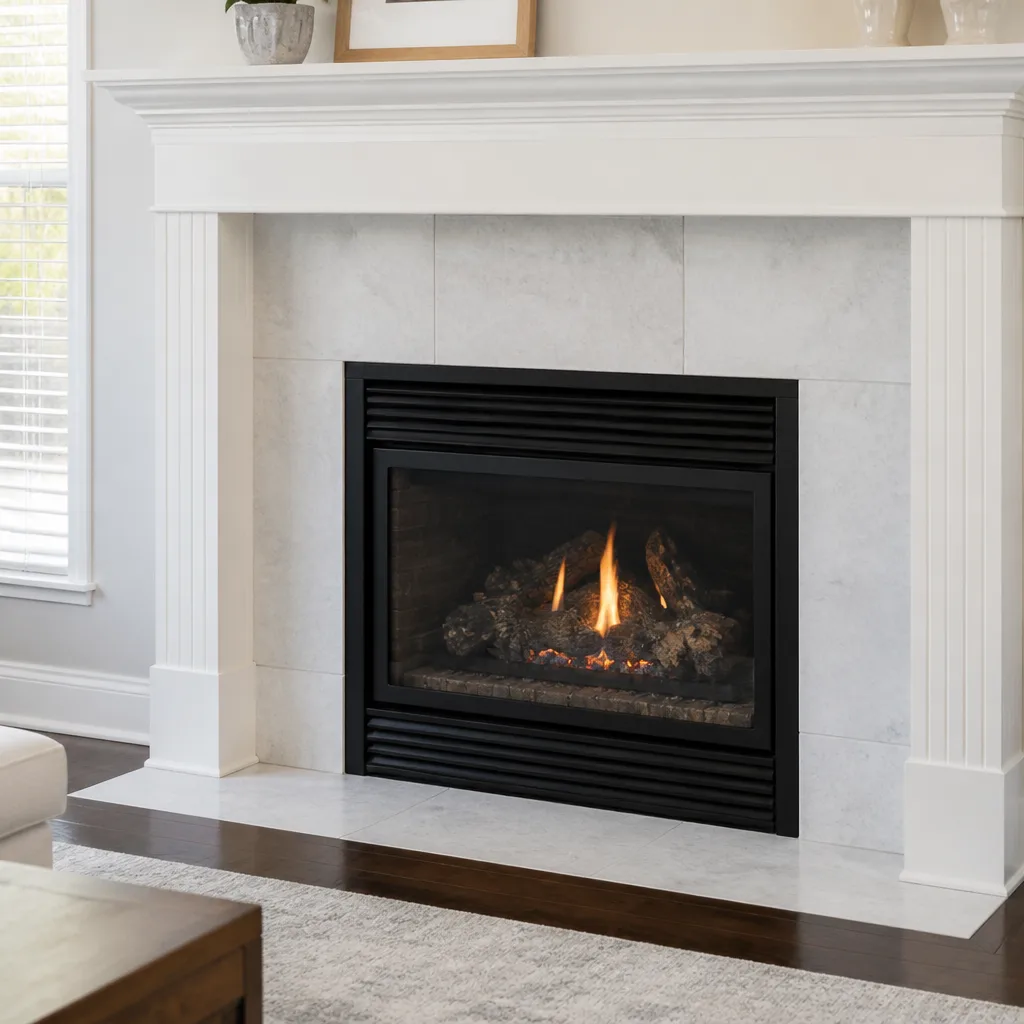 Gas fireplace service
Level 1 sweep and inspection to the NFPA 211 annual standard - flue, crown, cap, and flashing checked and photographed
Chimney sweep logs do not sweep chimneys. They loosen some creosote - which then falls where a brush and vacuum still have to collect it.
Chimney Sweep Maintenance Schedule: What to Do and When
A gas fireplace used three times a week needs a different maintenance schedule than a wood-burning insert burned nightly, yet most homeowners apply the same “once a year” rule to both. That single annual date is the wrong way to think about chimney care. The right schedule is built around three things: what you burn, how often you burn it, and how old the liner is. In this guide, we lay out decision-based maintenance tracks for wood, gas, and pellet appliances, the usage thresholds that trigger an off-cycle inspection, the monthly checks you can do yourself, and why late winter in Elgin is the riskiest stretch for masonry. By the end, you’ll know exactly what to do, and when, for your chimney.
Quick Answer
The right chimney maintenance schedule depends on fuel type and usage, not the calendar alone. As a baseline, wood-burning fireplaces and inserts need a professional sweep once a year or after every cord of wood burned, gas appliances need an annual inspection to check venting and debris, and pellet stoves need the flue swept annually with the appliance itself cleaned more often. Any chimney, regardless of fuel, should get a Level 2 inspection after a liner issue, a chimney fire, or a change in appliance. In Elgin, add a spring inspection after the freeze-thaw season to catch mortar joint failure before it spreads.
Styles & brands we work with
- Sweep & inspection
- Caps & crowns
- Flue relining
- Masonry repair
- Gas fireplace service
Table of Contents
- Why a Single Annual Date Falls Short
- Maintenance Track 1: Wood-Burning Fireplaces and Inserts
- Maintenance Track 2: Gas Appliances
- Maintenance Track 3: Pellet Stoves
- The Usage Thresholds That Trigger an Off-Cycle Inspection
- What You Should Check Monthly Yourself
- HeatShield Resurfacing: Different Re-Inspection Intervals
- Elgin’s Freeze-Thaw Cycle and the Late-Winter Risk Window
Why a Single Annual Date Falls Short
The “sweep it once a year” rule is a useful default, but it treats every chimney as identical. They aren’t. A chimney serving a gas log set that runs a few evenings a week accumulates almost no creosote, while a wood stove burned hard through a northern Illinois winter can build a flammable glaze in a single season. The calendar can’t see that difference. Your fuel type and burn habits can.
Creosote forms in stages. At first it’s a light, flaky soot that brushes away easily. As it matures, it becomes a crunchy, tar-like deposit, and in its final stage it hardens into a glazed coating that bonds to the flue wall. The last stage is the one that matters most for fire risk, and it forms fastest in appliances that run hot but with restricted air, or that burn unseasoned wood. A homeowner burning dry, seasoned hardwood in a well-drafted fireplace will build creosote slowly. One burning green wood with the damper half-closed will build it fast. Same calendar, very different reality.
Liner age matters just as much. A clay tile flue that’s decades old may have cracked joints you can’t see from the firebox, and cracks let heat and gases reach combustible framing. A stainless liner installed more recently has different inspection needs. When we look at a chimney in Elgin, we’re not just asking “when was it last swept?” We’re asking what’s being burned, how often, and what’s containing the exhaust. That answers the schedule question far better than a date on a fridge magnet.
The fix is simple in concept: build your maintenance around your appliance, then layer the calendar on top as a backstop. The sections that follow give you a track for each fuel type, plus the off-cycle triggers that should pull an inspection forward.
Maintenance Track 1: Wood-Burning Fireplaces and Inserts
Wood-burning appliances build creosote and ash the fastest of the three fuel types, so they carry the tightest schedule. For a fireplace or insert used regularly through the heating season, plan on a professional sweep once a year. If you burn heavily, the “once a year” default can be too loose. A common working rule in the trade is to sweep after every cord of wood burned. If you go through two or three cords in a winter, that can mean more than one cleaning.
Here’s how a sound wood-appliance schedule looks across a year:
- Before the first fire of the season. Book a sweep and a Level 1 inspection so you start clean and know the flue and cap are clear.
- Mid-season check. If you’ve burned roughly a cord, or notice draft getting sluggish, have the flue looked at again rather than waiting for spring.
- After the last fire. A spring inspection catches winter damage to the crown and mortar before warm weather and rain make it worse.
- Any time draft drops or smoke rolls back. That’s an off-cycle trigger, covered in detail below.
Wood quality drives the whole schedule. Seasoned hardwood, split and dried, burns cleaner and deposits less. Unseasoned or softwood-heavy fuel leaves more creosote and more frequent cleanings. Store firewood off the ground and covered, and never burn trash, treated lumber, or cardboard, which leave deposits and corrosive residue in the flue.
Inserts deserve a note of their own. A wood insert concentrates heat and often runs with a tighter air control than an open fireplace, which can accelerate glazed creosote. If yours is a primary heat source, treat the cord-based rule as your real schedule and the calendar as a reminder. This is the appliance type where we most often find heavy deposits on a chimney that was “swept last year.”
Maintenance Track 2: Gas Appliances
Gas fireplaces, logs, and inserts don’t produce creosote the way wood does, but they are not maintenance-free. They still need an annual inspection, and for a reason most homeowners don’t expect: debris. Birds, squirrels, and nesting material get into the flue and cap regardless of what you burn. A gas appliance can also produce moisture and mild corrosive byproducts that affect the venting over time, and a partially blocked vent is a carbon-monoxide concern, not just a performance one.
The gas track is lighter on sweeping and heavier on inspection. A typical annual visit focuses on:
- Confirming the flue and cap are clear of nests, leaves, and debris.
- Checking that the venting is intact and properly connected.
- Looking at the firebox, logs, and burner for soot, corrosion, or misalignment.
- Verifying the damper and any venting controls operate correctly.
Carbon monoxide is the reason this matters. A gas appliance relies on a clear, intact vent to carry exhaust outdoors. When debris blocks it, or a connection loosens, exhaust can spill into the living space. A carbon-monoxide alarm on each level is a sensible backstop, but it doesn’t replace an annual vent inspection. Schedule the gas inspection before the heating season, the same as wood. And if you ever smell gas, leave the building and call your gas utility first; that’s a utility matter, not a maintenance task.
If a gas appliance hasn’t been looked at in a few years, the inspection is the place to start. We document what we find and explain whether anything actually needs attention, or whether it can safely wait.
Maintenance Track 3: Pellet Stoves
Pellet stoves sit between wood and gas on the maintenance spectrum, but they have a split personality: the appliance needs frequent attention, while the flue needs less. Ash and fly ash are the main products of combustion, and they accumulate in the stove, the burn pot, and the venting. That means a pellet stove schedule runs on two clocks at once.
The stove itself wants regular cleaning during the heating season, often weekly or every few bags of pellets depending on the model and how hard it runs. The burn pot, ash pan, and heat exchanger are the usual focus. The flue and venting want an annual sweep to clear fly ash, which can pack into horizontal vent runs and fittings. Fly ash is finer and lighter than wood creosote but can still restrict draft and create a blockage over a season.
Pellet venting often includes horizontal sections and a termination cap that are easy for ash to collect in. Those runs are where we find the surprises. An annual sweep plus a look at the cap and the appliance’s exhaust path keeps the system drafting correctly. If your stove starts shutting down mid-burn, tripping its sensor, or producing a lazy flame, that’s usually an airflow or ash problem and worth an off-cycle look rather than waiting for the annual date.
Because we handle sweeping, inspection, and repair under one roof, a pellet-stove visit can address the flue and flag any venting issues in the same trip. If a component needs replacing, we source from recognized chimney-industry brands so the part is traceable and warranted.
The Usage Thresholds That Trigger an Off-Cycle Inspection
An annual appointment is a floor, not a ceiling. Certain usage levels should pull your next inspection forward, and knowing them keeps you from running a loaded chimney on a schedule built for a lighter user. In our experience, these are the thresholds that matter most for wood-burning homeowners in Elgin:
- One cord of wood burned. This is the most common off-cycle trigger. If you cross a cord before your annual date, have the flue looked at.
- Roughly 100 to 150 hours of burn time in a season, at moderate output. A nightly fire through a northern Illinois winter will reach this comfortably.
- Any change in draft. If the fire struggles to draw, smoke spills into the room, or the appliance behaves differently than last year, stop and get it checked.
- A chimney fire, however small. Even a brief one can crack tiles or warp a liner. This always calls for a Level 2 inspection, not just a sweep.
- A new appliance or fuel change. Switching from an open fireplace to an insert, or adding a new stove, changes the venting requirements. That warrants an inspection before you rely on it.
Gas and pellet users shouldn’t skip this section. For gas, a bird nest or a cracked vent cap is an off-cycle trigger no matter how little you burn. For pellet, any repeated shutdown or draft problem points to ash or a venting issue worth pulling forward.
Think of these thresholds as your real maintenance signal, with the annual date as a safety net for the years you burn less than you expect. The goal is to match the schedule to what your chimney is actually being asked to handle.
What You Should Check Monthly Yourself
Between professional visits, a few quick checks catch problems early and cost nothing. These are visual and operational, not invasive. Don’t disassemble anything, open up a gas appliance, or reach into the firebox beyond what you can safely see.
- Damper operation. Open and close the damper fully. It should move smoothly and seat correctly. A sticky or warped damper affects draft and can leak heat.
- Visible liner condition from the firebox. With a flashlight, look up at the flue walls you can see. You’re checking for obvious cracks in clay tiles, heavy flaking deposits, or gaps. A light dusting is normal; thick, tar-like buildup or visible cracks are not.
- Cap and crown from ground level. Stand back and look up with binoculars. The cap should be intact and sitting straight, with no rusted-out sections or visible gaps. The crown (the concrete top around the flue) should show no obvious cracks with plants growing out of them.
- Carbon-monoxide alarm. Press the test button monthly, especially before the heating season. This is your backstop for any venting problem you can’t see.
- Around the firebox and hearth. Look for new staining, rust streaks, or moisture on the masonry. These can signal a leak or a venting issue.
What you can’t check from the ground is the inside of the flue above the firebox, the smoke chamber, or the joints hidden behind masonry. That’s the job of a camera inspection. We include camera inspection and a photo report so you see exactly what we see, rather than taking our word for it. That matters when the recommendation is a repair, because you can look at the evidence yourself.
HeatShield Resurfacing: Different Re-Inspection Intervals
When a clay flue has deteriorated, there are a couple of ways to address it, and a resurfacing treatment changes the maintenance timeline that follows. HeatShield is a professional-grade liner restoration system we use as an alternative to full liner replacement. Instead of installing a new stainless liner, it resurfaced the damaged flue with a material that restores its integrity. Not every sweep service offers or even stocks it, which is why it’s worth asking about when a repair comes up.
A resurfaced flue is not a “set it and forget it” repair, and its re-inspection interval differs from a standard swept-flue timeline. After HeatShield restoration, the flue should be re-inspected to confirm the treatment cured and bonded as intended, and it should continue to be inspected at your annual service. Because it’s a restoration rather than a new liner, the technician should specifically assess the restored surface each year rather than treating it like a brushed clay flue. If your chimney had HeatShield work done in a previous season, tell the technician at booking so the inspection is scoped correctly.
The same logic applies to relining. If a full reline with a DuraFlex or Olympia Chimney system is the right path, the new liner has its own inspection needs and its own condition to track over time. New isn’t the same as permanent. A liner still collects deposits, and it still needs sweeping. What changes is what the inspector is checking for: the liner’s connections, its condition, and the appliance’s fit to it.
We keep HeatShield, DuraFlex, and Olympia Chimney systems on the service menu because a repairable flue shouldn’t need a second contractor to follow up. One company does the sweep, the inspection, and the repair.
Elgin’s Freeze-Thaw Cycle and the Late-Winter Risk Window
Northern Illinois winters put masonry through a punishing cycle. Water gets into small cracks in the mortar and brick, freezes, expands, and then thaws as temperatures swing back above freezing. Repeat that over a winter and small cracks widen. That’s the freeze-thaw cycle, and it makes late winter, roughly February into March, the highest-risk window for mortar joint failure around Elgin.
Why that window? By late winter the masonry has been through dozens of freeze-thaw swings. The cumulative damage shows up as crumbling mortar joints, spalling brick faces, and hairline cracks in the crown. Add spring rain and the damage accelerates, because water now has a wider path in. Catch it in early spring and a repointing or crown repair is a manageable fix. Leave it a couple of seasons and water reaches the framing and interior, and the repair grows.
That’s why a spring inspection matters as much as a fall sweep. The fall visit prepares you for the burning season. The spring visit catches what winter did to the structure. If you’re on a single annual appointment, consider whether a spring masonry check is worth adding, especially if your chimney is older, has a visible crown, or sits on an exterior wall where it takes the full brunt of the weather.
There’s an inspector’s point here that pairs with the trade materials. A proper cap protects against both weather and critters. Caps and covers from Gelco and Famco are part of the repair scope we work with, because keeping water and animals out of the flue is part of keeping the chimney sound in an Illinois climate. If a repair uncovers a missing or failing cap, we address it with the rest of the work rather than leaving it for another trip.
Common Mistakes to Avoid
- Treating gas appliances as maintenance-free. Gas doesn’t make creosote, but it still makes debris, and a blocked or damaged vent is a carbon-monoxide concern. Schedule the annual inspection just like wood.
- Waiting for a chimney fire to schedule a sweep. A chimney fire is a warning, not a routine event. If you’ve had one, even briefly, get a Level 2 inspection, not just a cleaning.
- Burning unseasoned wood to stretch the schedule. Green or wet wood makes more creosote, which defeats the point. Dry, seasoned hardwood keeps deposits down and your schedule realistic.
- Skipping the spring masonry check. In Elgin’s freeze-thaw climate, winter damage to mortar and the crown is the issue that grows quietly. A spring inspection catches it while it’s still small.
- Ignoring a change in draft. Smoke rolling back or a lazy fire are signals of a blockage or damage. Treat them as an off-cycle trigger, not something to live with.
- Trusting a sweep with no evidence. If an inspector recommends a repair but can’t show you the camera footage, find one who will. We include camera inspection and a photo report for exactly this reason.
- Assuming a liner repair is permanent. A resurfaced flue or a new liner still needs annual inspection and sweeping. The repair changes what’s checked, not whether it’s checked.
See the difference
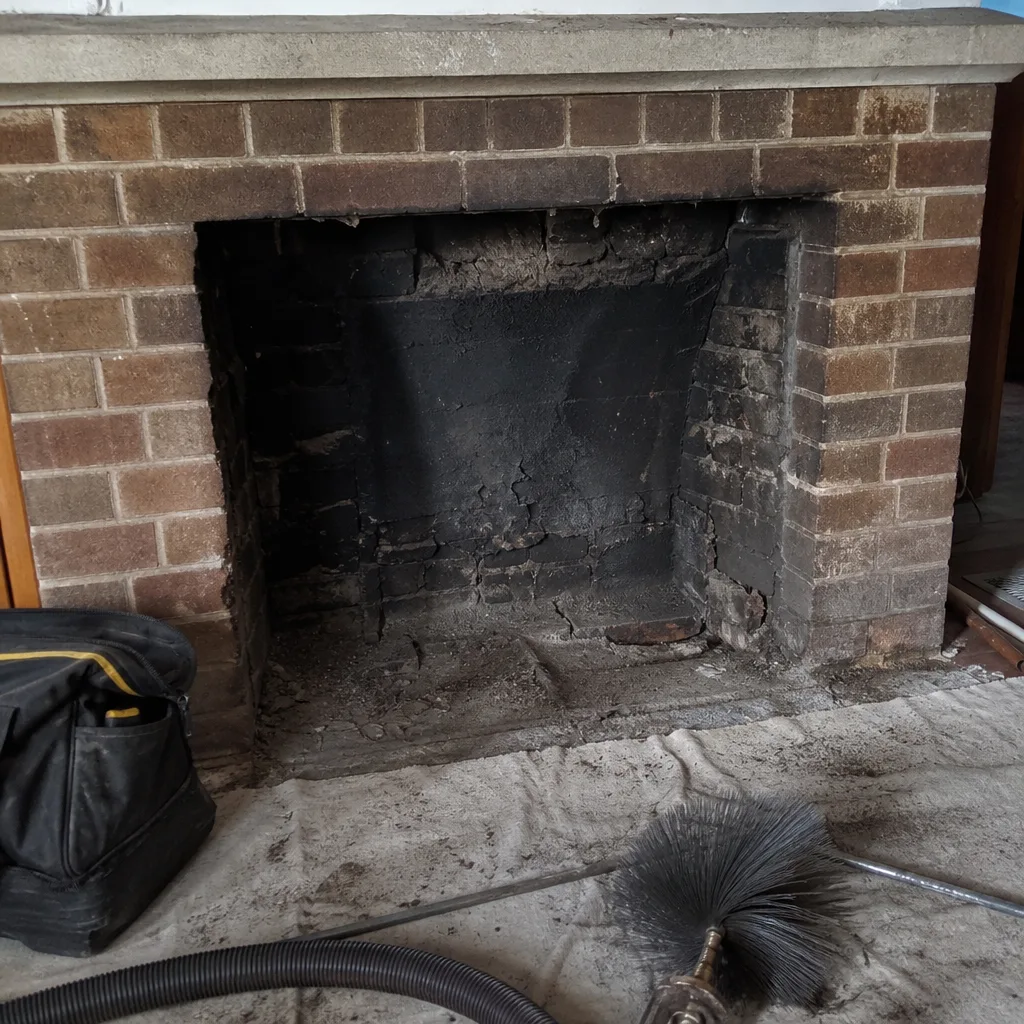 Before
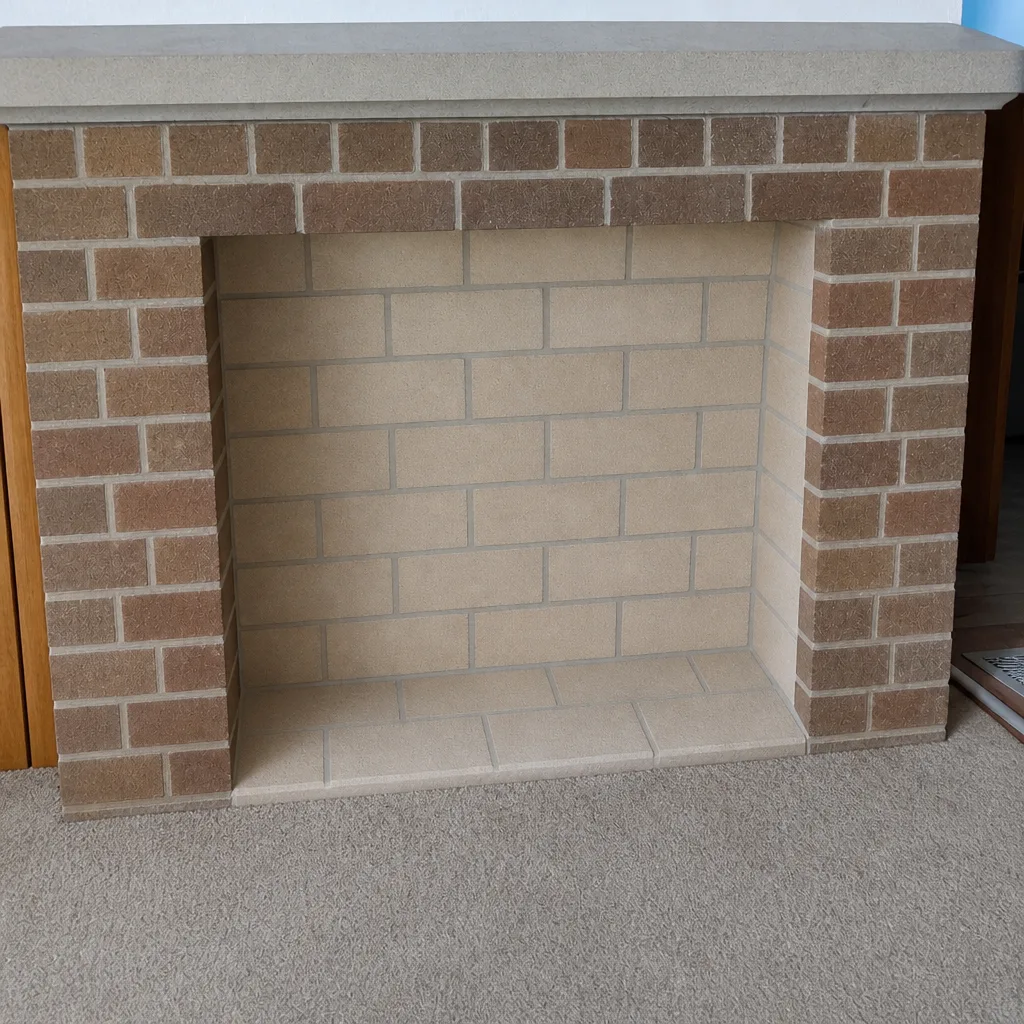 After
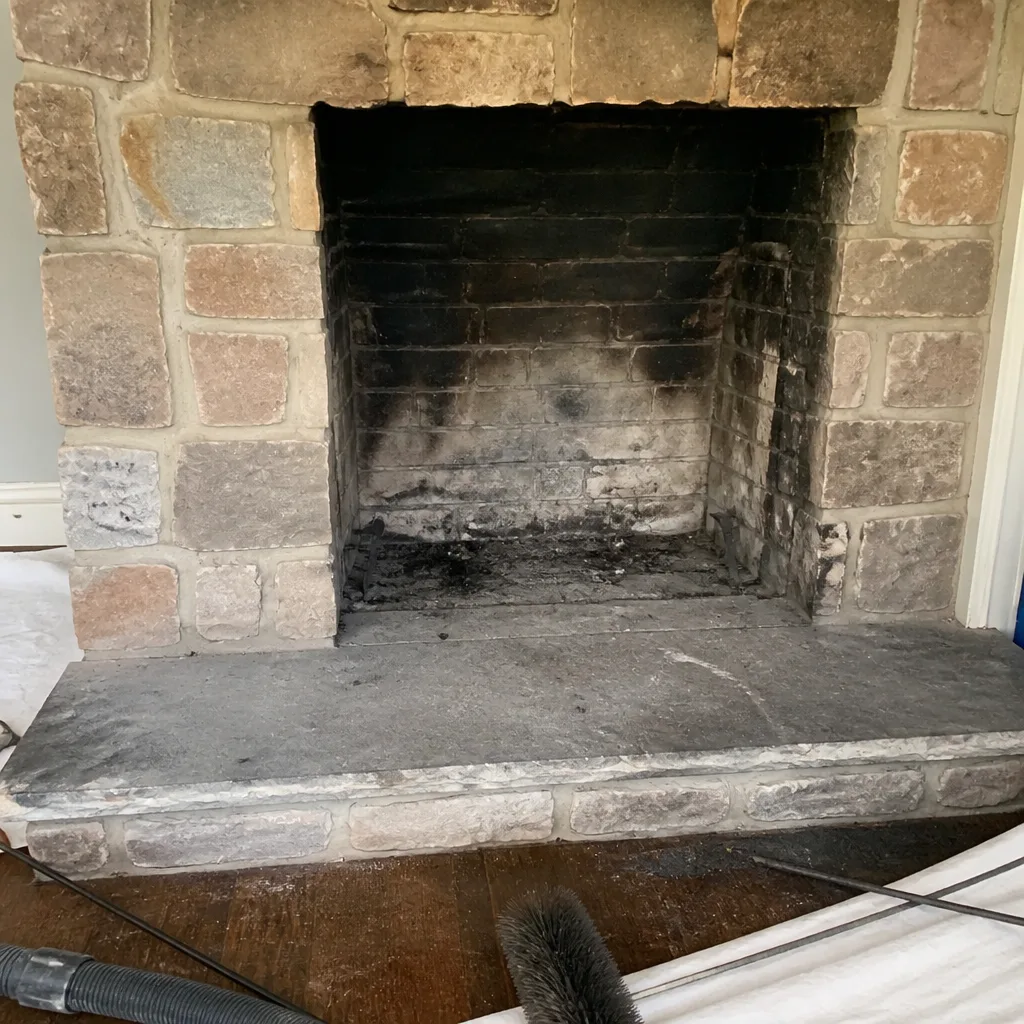 Before
 After
 Before
 After
When to Call a Professional
Some things wait for your scheduled appointment and some don’t. Call sooner if you’ve had a chimney fire, however brief, or if you smell smoke in the house when the appliance isn’t running. Call if draft drops, smoke rolls into the room, or the fire behaves differently than it used to. Call if you see crumbling mortar, stained masonry, or a loose cap, since those point to winter damage that gets worse with rain. And call if a gas appliance hasn’t been inspected recently, given the carbon-monoxide side of the equation. Chimney Sweep Elgin offers free estimates in Elgin, and we explain what we find without pressure. If nothing needs doing yet, we’ll tell you that too. Call (877) 382-6902 to book. We answer 24/7. Fast dispatch from 7am to 7pm, Sunday through Friday.
Frequently Asked Questions
Once a year is the baseline, but for regular wood burning, sweep after every cord of wood instead of waiting for the calendar. If you burn nightly through a northern Illinois winter, that can mean more than one cleaning per season. Call (877) 382-6902 for an exact quote, and estimates are free.
Yes. Gas appliances don’t produce creosote like wood, but the flue and venting still collect debris, and a blocked or damaged vent is a carbon-monoxide risk. An annual inspection checks venting, the firebox, and the cap. Call us for an estimate on a gas-appliance inspection, and it’s free.
Creosote builds in layers, and the longer it sits, the more it hardens into glazed deposits that are harder to remove and more of a fire risk. Debris also blocks draft and, over a winter, can let a small masonry problem spread. Call (877) 382-6902 to get on the schedule, and estimates are free.
Late winter into early spring, roughly February through March, is the highest-risk window for mortar joint failure. That’s when repeated freeze-thaw cycles have done the most damage and spring rain finds the cracks. A spring inspection catches it early. Call us for a free estimate on an inspection.
Yes. A resurfaced flue, such as a HeatShield restoration, or a new DuraFlex or Olympia Chimney liner still needs annual inspection, but the inspector checks the restored or new surface and its connections specifically. Tell us at booking if prior repair work was done. Call (877) 382-6902 for an estimate.
Yes. Monthly, you can operate the damper, look up at the visible flue from the firebox with a flashlight, and inspect the cap and crown from the ground with binoculars. These catch obvious problems early. What you can’t see inside the flue is why we include camera inspection and a photo report with professional visits. Call for a free estimate.
The Bottom Line
The right chimney maintenance schedule is built around your appliance, not the calendar. Wood-burning fireplaces and inserts need an annual sweep plus an off-cycle inspection after every cord burned. Gas appliances need an annual inspection for venting and debris. Pellet stoves want frequent appliance cleaning and an annual flue sweep. Layer on top the calendar backstops: a pre-season sweep, a spring masonry check for Elgin’s freeze-thaw cycle, and a monthly look at the damper, flue, and cap. Match the schedule to what your chimney actually handles, and you’ll catch problems while they’re still small. When something needs repair, we handle the sweep, inspection, and fix with trade-grade materials you can look up.
Contact Us
Wondering what schedule fits your fireplace, insert, gas appliance, or pellet stove? We’ll walk through what you burn, how often, and what your flue needs, then give you a free estimate so you know the scope and the price before any work begins. Call Chimney Sweep Elgin at (877) 382-6902 for a free estimate. We answer 24/7. Fast dispatch from 7am to 7pm, Sunday through Friday.
Written by the team at Chimney Sweep Elgin.