
Last updated November 16, 2026
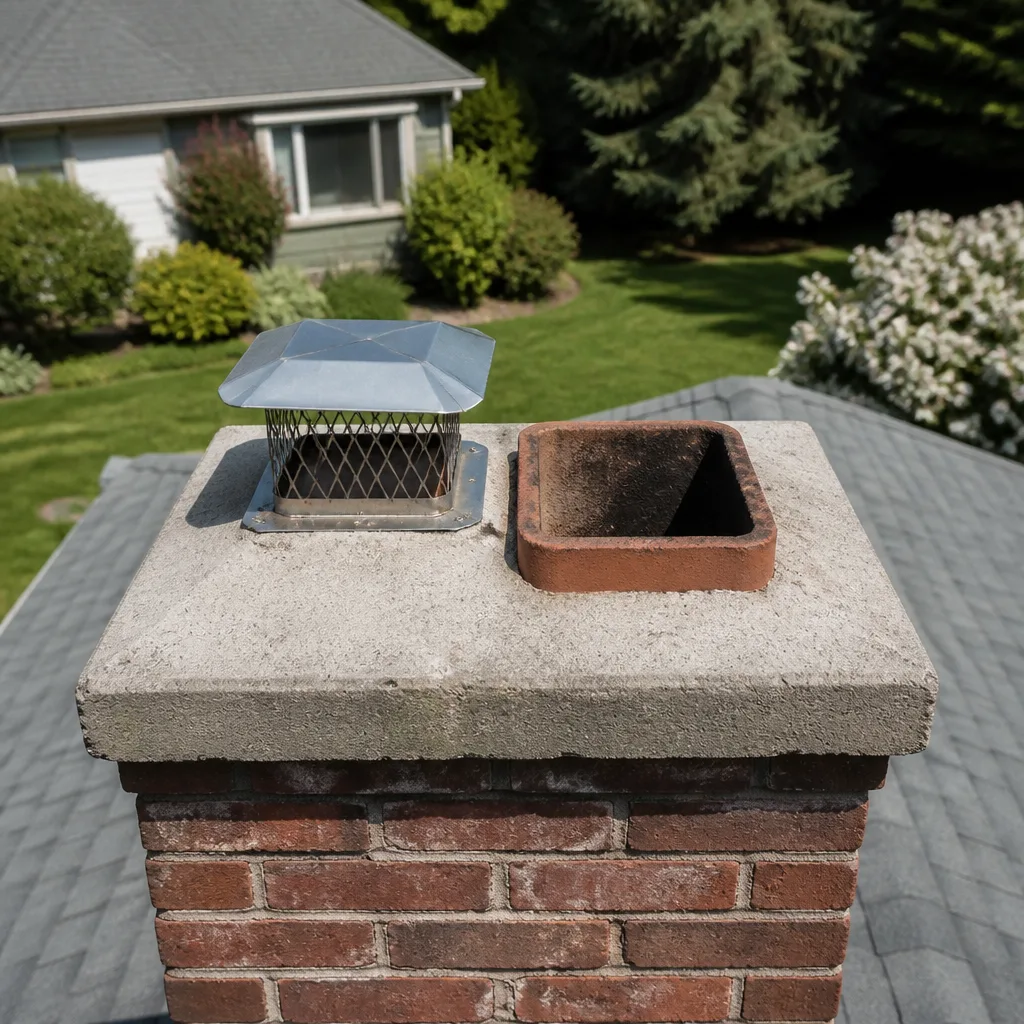 Sweep & inspection
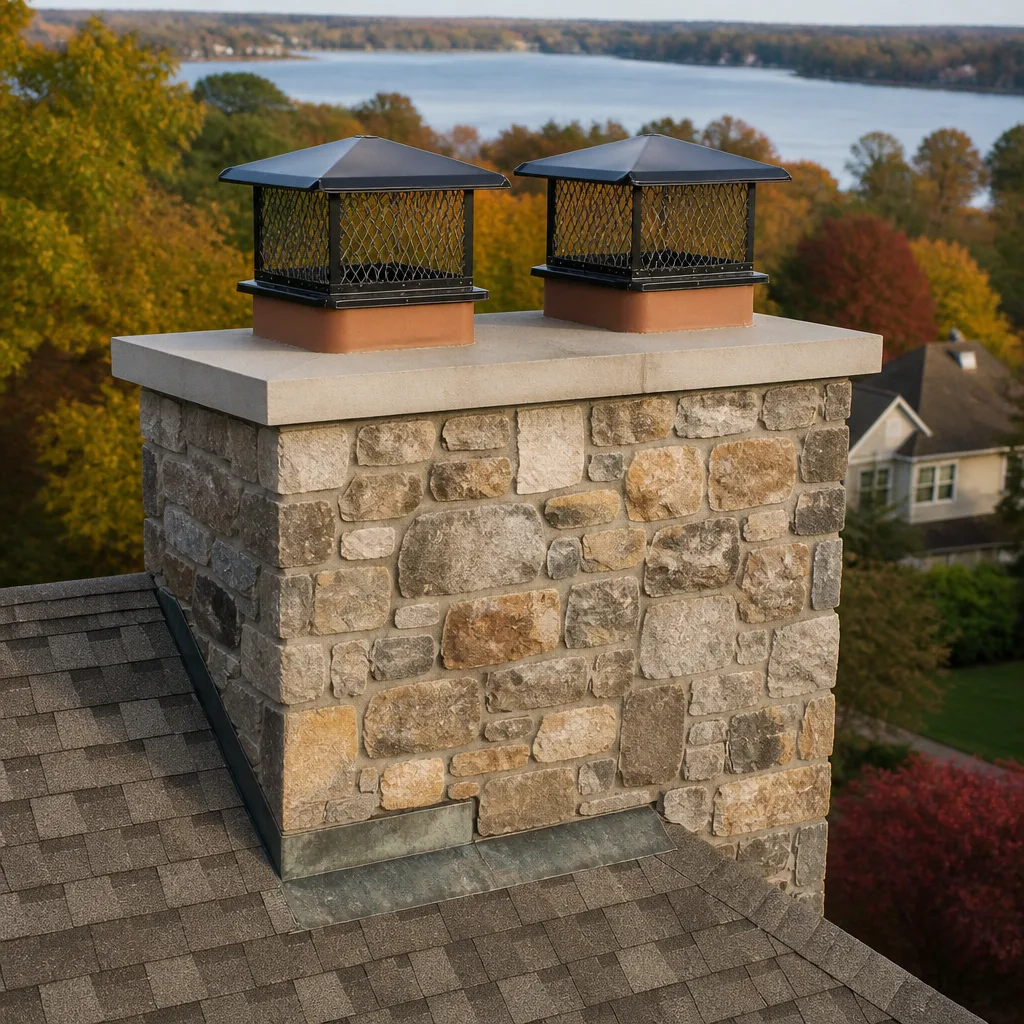 Caps & crowns
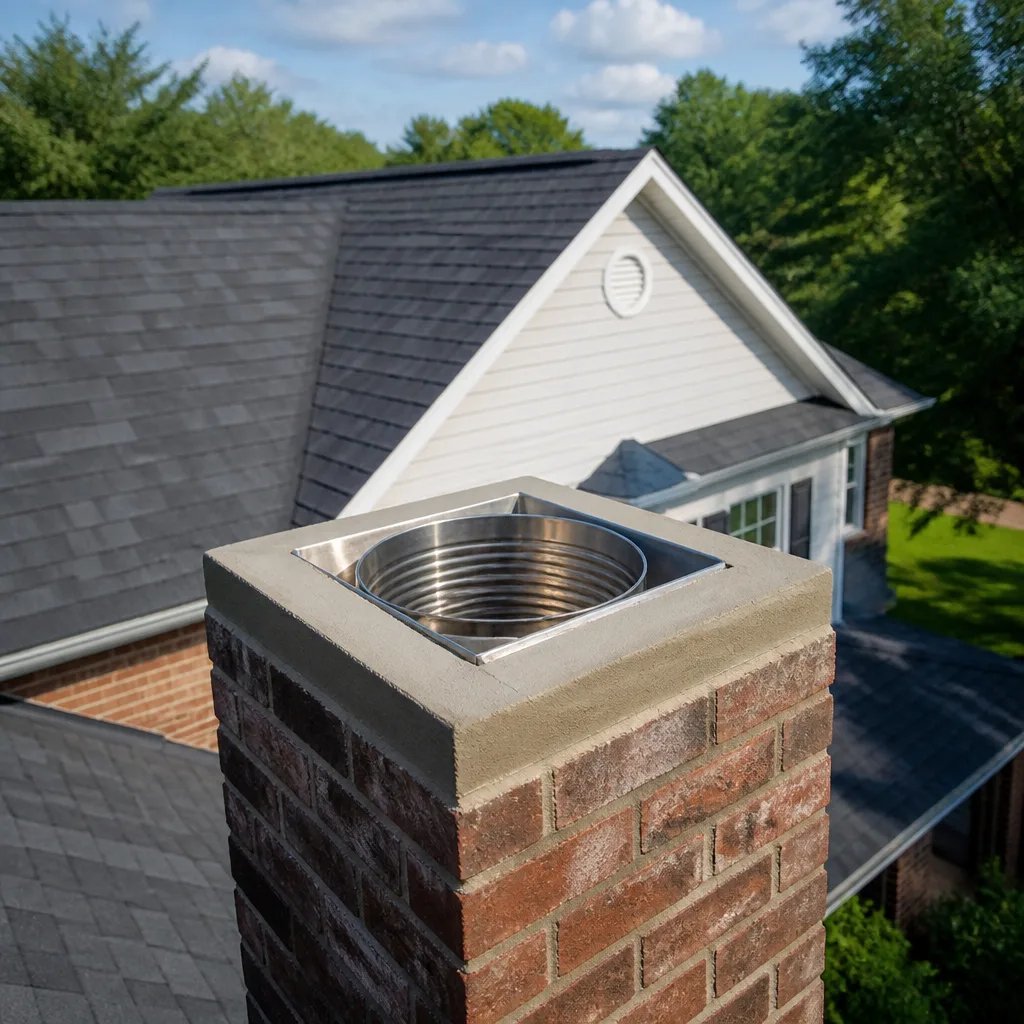 Flue relining
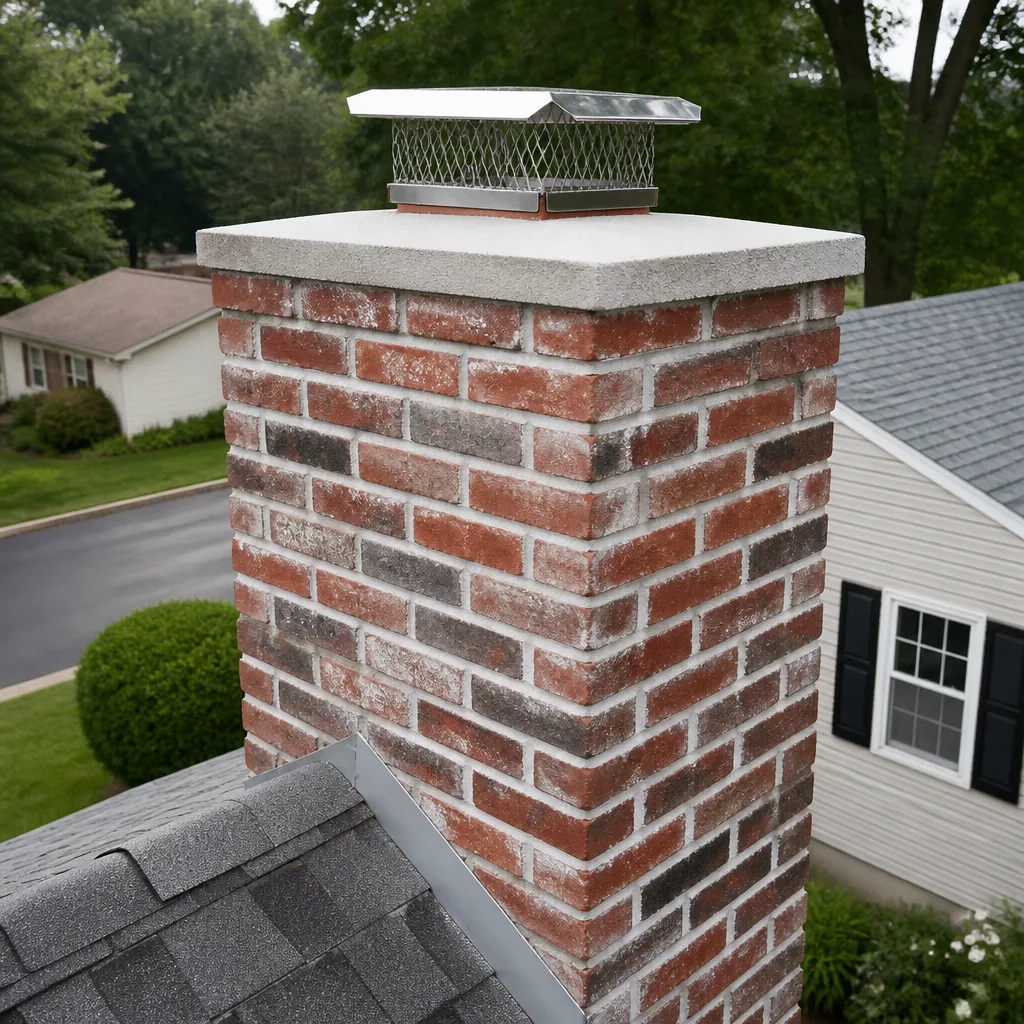 Masonry repair
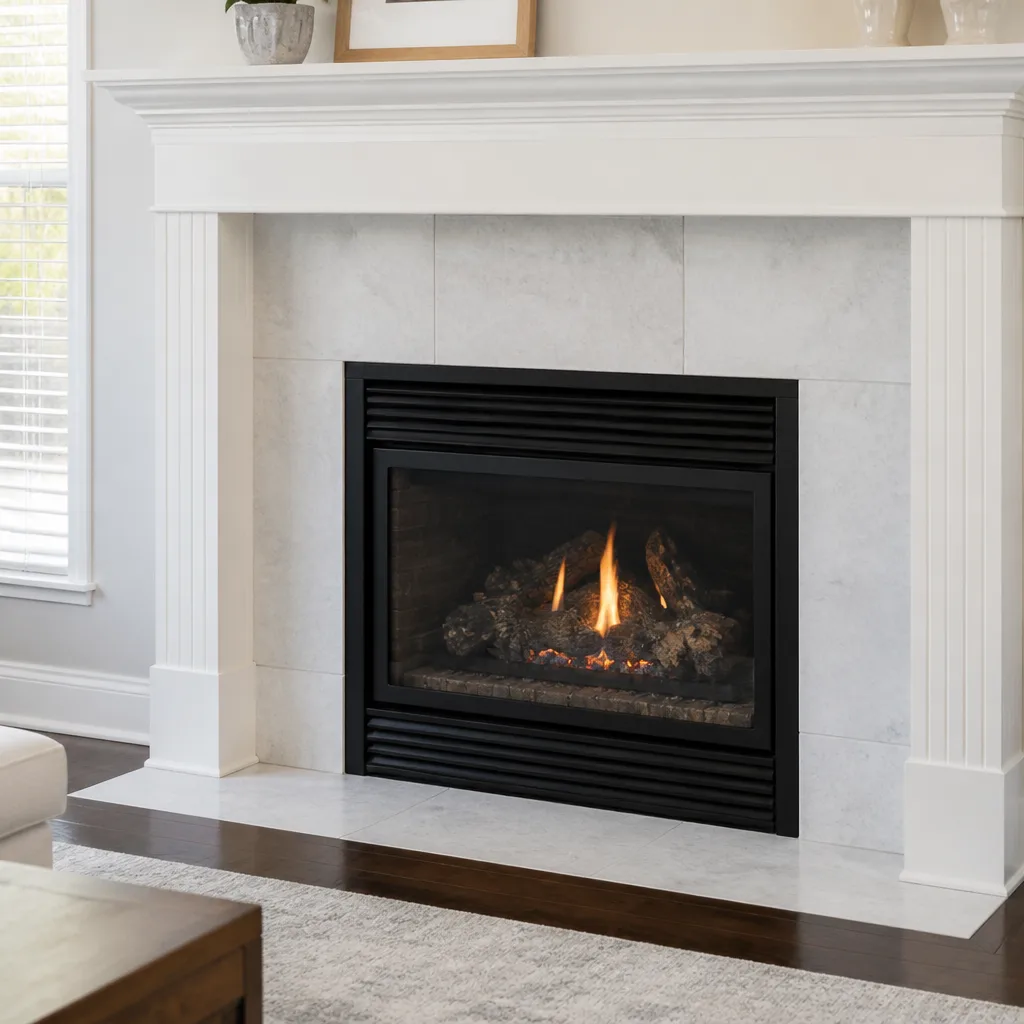 Gas fireplace service
Level 1 sweep and inspection to the NFPA 211 annual standard - flue, crown, cap, and flashing checked and photographed
Chimney sweep logs do not sweep chimneys. They loosen some creosote - which then falls where a brush and vacuum still have to collect it.
Chimney Sweep Troubleshooting in Elgin: Common Problems and How to Fix Them
A smoky fireplace after a recent cleaning usually isn’t a dirty chimney. It’s a draft problem, and sweeping it again spends money without touching the cause. That single misread explains a large share of the wasted service calls we see around Elgin: homeowners book a brush-and-vacuum for a symptom that a brush and vacuum cannot fix. This guide is about diagnosing before you dial. You’ll learn to tell creosote trouble from draft failure, read three stages of creosote by sight, understand why white staining on brick means moisture rather than dirt, and know which findings can wait for your next visit and which need a Level 2 inspection now.
Quick Answer
Most chimney problems in Elgin fall into three groups: creosote buildup (fixable with a proper sweep), draft failure (needs diagnosis of the flue, cap, or combustion air, not another cleaning), and moisture or structural damage (needs repair and often a Level 2 inspection). A smoky fire right after a cleaning almost always points to draft, not dirt. Read the symptom first, then match it to the right service.
Styles & brands we work with
- Sweep & inspection
- Caps & crowns
- Flue relining
- Masonry repair
- Gas fireplace service
Table of Contents
- Creosote Symptoms vs. Draft Symptoms: How to Tell Them Apart
- Stage 1, 2, and 3 Creosote: What Each One Requires
- White Staining on Brick: What Efflorescence Tells You
- The Cold Flue Problem in Tightly Insulated Elgin Homes
- What to Monitor vs. What Needs a Level 2 Inspection
- Common Mistakes to Avoid
- When to Call a Professional
- Frequently Asked Questions
Creosote Symptoms vs. Draft Symptoms: How to Tell Them Apart
Creosote and draft problems can both leave you with a fire that won’t behave, but they behave differently. Creosote trouble builds slowly. Draft failure shows up fast, often the first fire after a cleaning or the first cold snap of the season. Getting the label right is the whole game, because one needs a sweep and the other needs a technician to look at the flue, the cap, and the air supply.
Here’s how we separate them in the field.
- Creosote symptoms: a fire that struggles to catch and burns lazy even with dry wood, a strong tar or asphalt smell that lingers in the room, dark flaky or glazed deposits visible up the flue, and a smoky smell that returns within weeks of a cleaning.
- Draft symptoms: smoke rolling out of the firebox opening when you light the fire, a fire that starts then dies down, a cold downdraft when the fireplace is idle, soot streaks on the face of the fireplace or the wall above it, and a fire that only draws once the house warms up.
The quickest field test is the smoke test. Light a match, blow it out, and hold it near the open damper before you build a fire. If the smoke rises straight up the flue, your draft is reasonable. If it drifts into the room or hovers, you have a draft problem that no amount of sweeping will solve.
- Confirm the damper is fully open and the linkage isn’t stuck.
- Check that the flue isn’t blocked by a nest, leaves, or a collapsed cap screen.
- Look outside at the cap and the top of the chimney for debris or a damaged crown.
- Note whether the problem happens only on cold starts, only in certain wind, or every single fire.
- If smoke rolls out with a clear flue and a good match test, it’s time to book an inspection.
In our experience, the “I just had it cleaned and it’s still smoking” call is nearly always a draft call. A proper chimney sweep removes what’s in the flue. It doesn’t change how the flue moves air, and that’s a different job.
Stage 1, 2, and 3 Creosote: What Each One Requires
Creosote doesn’t arrive all at once. It builds in recognizable stages, and each stage needs a different level of response. Knowing what you’re looking at up the flue tells you whether a standard sweep handles it or whether you’re looking at a repair conversation.
| Stage | What It Looks Like | What It Requires |
|---|---|---|
| Stage 1 | Sooty, flaky, dusty black deposits you can brush away | A standard sweep |
| Stage 2 | Hard, crusty, brittle deposits that flake but resist a light brush | More aggressive sweeping with proper tools |
| Stage 3 | Glazed, shiny, tar-like coating bonded to the flue wall | Professional removal, often with chemical treatment; sometimes relining |
Stage 1 is the normal byproduct of a working fire and dry wood. It’s the dust-and-flake layer that a routine sweep clears. Stage 2 is where deposits start bonding, usually from burning wood that’s too wet or running the fire too cool and smoldering. That layer takes more than a light pass.
Stage 3 is the one that changes the conversation. It’s a hard, glassy, tar-like coating that has fused to the flue wall. It doesn’t brush off. Removing it takes professional tools and, depending on how much of the flue it coats, may open a repair decision. If the flue wall is compromised underneath, relining with DuraFlex or Olympia Chimney liner systems is on the table. If the damage is more surface-level, HeatShield restoration can rebuild the flue’s inner surface as an alternative to a full tear-out.
What causes the jump from Stage 1 to Stage 3? Three things, mostly. Burning unseasoned wood. Damping a fire down and letting it smolder for hours. And a chimney that runs too cool, which is a draft and insulation story more than a wood story. In Elgin’s climate, a fire that sits low and slow all evening in a cold flue is the fastest route to glazed creosote we see. That’s the reason the next section matters.
White Staining on Brick: What Efflorescence Tells You
White, powdery staining on exterior brick is called efflorescence, and it’s not surface dirt. It’s the visible sign that water has moved through the masonry and is now leaving mineral salts behind on the way out. In an Elgin chimney, efflorescence is a moisture-intrusion signal, not a cosmetic one.
Water gets into a chimney in a few predictable ways. The crown at the top cracks, and rain runs straight down into the flue. The cap is missing or wrong-sized, so the flue is open to the sky. The brick and mortar above the roofline absorb water and it travels down through the stack. When that water evaporates, it carries salts from inside the masonry to the surface as a white bloom.
Here’s why it matters beyond the look of it.
- Freeze-thaw cycles are hard on wet brick. Water that soaks in, freezes, and expands will spall the face of the brick over time, and Elgin winters give plenty of that cycle.
- Persistent moisture in the flue interior weakens the liner and the mortar joints, which is where real repair costs come from.
- A wet chimney with a fire in it doesn’t draft well, because the moisture cools the flue.
- Efflorescence that keeps returning after brushing is telling you the water source wasn’t fixed.
The fix is weatherproofing at the source. That means a proper chimney cap and crown repair, whether that’s a Gelco or Famco cap sized to the flue, plus a look at the flashing where the chimney meets the roof. We install Gelco and Famco caps and covers so a repair closes the water path, not just the cosmetic complaint. If you’re seeing white bloom on the exterior brick of your Elgin home, book a visit that inspects the top and the flue together. Cleaning the surface alone won’t stop it.
The Cold Flue Problem in Tightly Insulated Elgin Homes
Newer and retrofitted-tight Elgin homes have a chimney problem older homes don’t: the house is sealed so well that the chimney can’t pull air. A fire needs to draw combustion air from somewhere, and a well-sealed house with an open flue can fight itself. The result is a cold flue that won’t start, or smoke that backs into the room on the first fire of the day.
The cold flue problem usually shows up as one of these:
- A fire that won’t catch until the house has warmed up.
- Smoke rolling out of the firebox for the first fire or two, then behaving.
- A downdraft when the fireplace is idle.
- A glass door on an insert that soots up faster than it should.
A cold flue do
esn’t necessarily mean a flue is failing. It means the flue is too cold relative to the room, and the fire has to warm up the flue before it can pull. Tight houses make this worse because there’s less slack air to feed the process. The match test near the damper tells you a lot: if the smoke drifts in rather than rising, the flue is cold or the house is starving it for air.
- Open a nearby window an inch or two and run the match test again.
- If the smoke now rises, you likely have a house-air-pressure or cold-flue issue, not a blockage.
- Check the cap screen and flue for obstruction to rule out a blockage.
- If the problem repeats every cold start, book an inspection to look at the flue, the cap, and the air supply together.
The fix is diagnosis, not guesswork. Sometimes it’s a cap that’s too restrictive. Sometimes it’s a flue that needs a liner with better insulation. We use DuraFlex liner systems for that reason: a properly insulated flue warms faster and drafts better in a cold snap, and that’s a real difference in an Elgin house with tight windows and a modern furnace pulling its own air.
What to Monitor vs. What Needs a Level 2 Inspection
Not every finding needs a technician at the door today. Some things you can watch between service visits. Others warrant a Level 2 inspection, which per NFPA 211 standards is the level of inspection called for when a chimney has changed or been through a triggering event. Knowing which bucket you’re in keeps you from overpaying for inspections you don’t need and underpaying for the ones you do.
Can be monitored between visits:
- Light, flaky Stage 1 soot that returns slowly.
- A faint smoky smell on humid days with no visible deposits.
- Minor stains on the exterior where you’ve recently fixed the cap.
- A fire that occasionally smokes on very cold, still mornings and then draws normally.
Needs a Level 2 inspection:
- Any change to the chimney system, such as a new liner, a new insert, or a new appliance connected to the flue.
- A chimney fire, even a small one you think burned itself out.
- Smoke rolling into the room on every fire, or persistent backdrafting.
- White efflorescence that keeps returning after weatherproofing.
- Visible cracking in the flue, the crown, or the brick above the roofline.
- A home sale or a change of heating appliance.
Newer Elgin neighborhoods see the “new appliance” trigger a lot, because so many homes have swapped a wood stove for an insert or added a gas appliance to an existing flue. That change is exactly what NFPA 211 points to when it calls for a Level 2. If you’re not sure which bucket your symptom belongs in, the safe answer is a Level 2 inspection. Our full service in Elgin covers the sweep, the inspection, and the repair in one visit, so an inspection finding gets handled by the same team rather than referred out.
Other Common Problems We See in Elgin Chimneys
Beyond creosote and draft, a handful of problems come up again and again in Elgin chimney work. Some are quick fixes. Some point to a repair.
- A stuck or broken damper. The damper plate warps or the linkage sticks, and the fireplace won’t seal when closed. It’s a small repair that saves heat and money.
- A damaged crown. The crown at the top of the chimney cracks with freeze-thaw cycles, and water runs down the flue from there. Crown repair is the single most cost-effective moisture fix on most chimneys.
- A failing or missing cap. An open flue invites rain, birds, and squirrels. A Gelco or Famco cap closes the top and keeps both out.
- Deteriorating mortar joints. Repointing above the roofline is routine for older Elgin brick chimneys and stops the water path before it reaches the liner.
- A cracked or spalling flue liner. This is the one that escalates to relining with DuraFlex or Olympia Chimney systems, or restoration with HeatShield if the flue is a candidate for it.
- Improperly sized flue for the appliance. A flue that’s too large or too small for the fire it serves drafts poorly. The fix is a liner sized to the appliance, not another sweep.
The theme across all of these is the same: the right fix depends on reading the real cause. A cracked liner and a stuck damper both produce a bad fire, but only one of them is a cleaning problem, and it isn’t the liner. A full scope of chimney repair is built around matching the finding to the material, which is why we draw from a defined set of trade brands rather than whatever’s on the shelf.
Common Mistakes to Avoid
- Booking a sweep for a draft symptom. A cleaning won’t fix smoke rollout or backdrafting. If the fire smokes right after a cleaning, get a diagnosis, not another brush.
- Burning wet wood to “use it up.” Unseasoned wood is the fastest path to Stage 2 and Stage 3 creosote, and Elgin’s humid summers mean firewood stored uncovered never really dries.
- Sealing a tight house and ignoring the flue. Modern windows and weatherstripping can starve a fire for air. If your house is sealed up and your stove won’t draw, run the match test before you blame the chimney.
- Ignoring white staining as “just dirt.” Efflorescence is moisture coming through the masonry. Painting over it traps the water and makes the problem worse.
- Skipping a Level 2 inspection after a chimney fire. Even a fire you think burned itself out can leave a cracked liner or a damaged mortar joint. That’s a documented Level 2 trigger per NFPA 211.
- Letting a hardware-store cap or a “universal” cover stand in for a sized cap. A cap that’s too restrictive or too loose won’t keep water and animals out the way a Gelco or Famco cap sized to your flue will.
- Treating a cracked liner as a cleaning issue. A cracked flue can let combustion gases into the house. That’s a repair conversation with a liner material, not a sweep.
When to Call a Professional
Call a professional when smoke rolls into the room on every fire, when there’s white staining on the exterior brick that keeps coming back, when you’ve had a chimney fire, when you’ve changed the appliance on the flue, or when the match test at the damper keeps pulling smoke into the room after a cleaning. Those are the signals that a sweep won’t be enough and a Level 2 inspection or a repair is the right next step. If you’re not sure, a short conversation and a visit will tell you.
We handle the sweep, the inspection, and the repair under one roof, so a finding doesn’t get handed to a second company. Our technicians have up to 11 years of experience, and we document what we find before we quote a fix. Chimney Sweep Elgin offers free estimates in Elgin – call (877) 382-6902. We answer 24/7. Fast dispatch from 7am to 7pm, Sunday through Friday.
Frequently Asked Questions
A standard chimney sweep in Elgin is priced per job by a written estimate, and that estimate is free. The price depends on the flue, the amount of deposit, and whether a Level 2 inspection is recommended. Call (877) 382-6902 for an exact quote – estimates are free.
You need a new liner when the flue wall is cracked, spalled, or compromised, not when the chimney just needs cleaning. A Level 2 inspection with photos of the interior is how that gets confirmed. If it does need relining, DuraFlex or Olympia Chimney liner systems are the standard, and HeatShield restoration is an option when the flue qualifies as a restoration candidate rather than a full tear-out. Call (877) 382-6902 to book the inspection and get the evidence first.
A chimney should be swept when there’s a visible deposit layer, not on a calendar. For a wood-burning fireplace or stove used as meaningful heat in Elgin, that often lands at least once a year, and more often if you burn a lot. The match test and a look up the flue between visits tells you when it’s time. Call (877) 382-6902 if you’re overdue or unsure.
Skipped maintenance lets creosote build from flaky Stage 1 to hard Stage 2 and glazed Stage 3, and glazed creosote is a fire risk that takes real professional removal. It also lets a cracked liner or a failing crown go unnoticed, and both let combustion gases or water into the wrong place. There’s no safe “skip it” with a chimney. Call (877) 382-6902 to get it checked before the next burn season.
Because the cleaning worked and the problem was never dirt. Smoke right after a sweep is a draft issue, usually a cold flue, a restrictive cap, or a house sealed too tight for the fire to pull air. Running the match test near the damper tells you which. Call (877) 382-6902 for a diagnosis – a second sweep won’t fix it.
It’s efflorescence, and it means water is moving through the masonry. The cause is usually a cracked crown, a missing or wrong cap, or failing flashing, and it gets worse in Elgin’s freeze-thaw winters. Weatherproofing at the source is the fix, not surface cleaning. Call (877) 382-6902 to have the top and the flue inspected together.
The Bottom Line
Read the symptom before you book the service. Smoke rollout, backdrafting, and a cold flue are draft problems, and a second sweep won’t touch them. Lazy fires and a tar smell are creosote problems, and how far they’ve progressed decides whether a sweep is enough or you’re looking at HeatShield restoration or a DuraFlex reline. White staining is moisture, not dirt, and it wants weatherproofing. When the symptom changes the system, is new, or follows a chimney fire, a Level 2 inspection is the right answer per NFPA 211. Chimney Sweep Elgin handles the sweep, the inspection, and the repair as one, from the same set of trade brands, at Chimney Sweep Elgin. Call (877) 382-6902 for a free estimate – we answer 24/7, with fast dispatch from 7am to 7pm, Sunday through Friday.
Written by the team at Chimney Sweep Elgin.
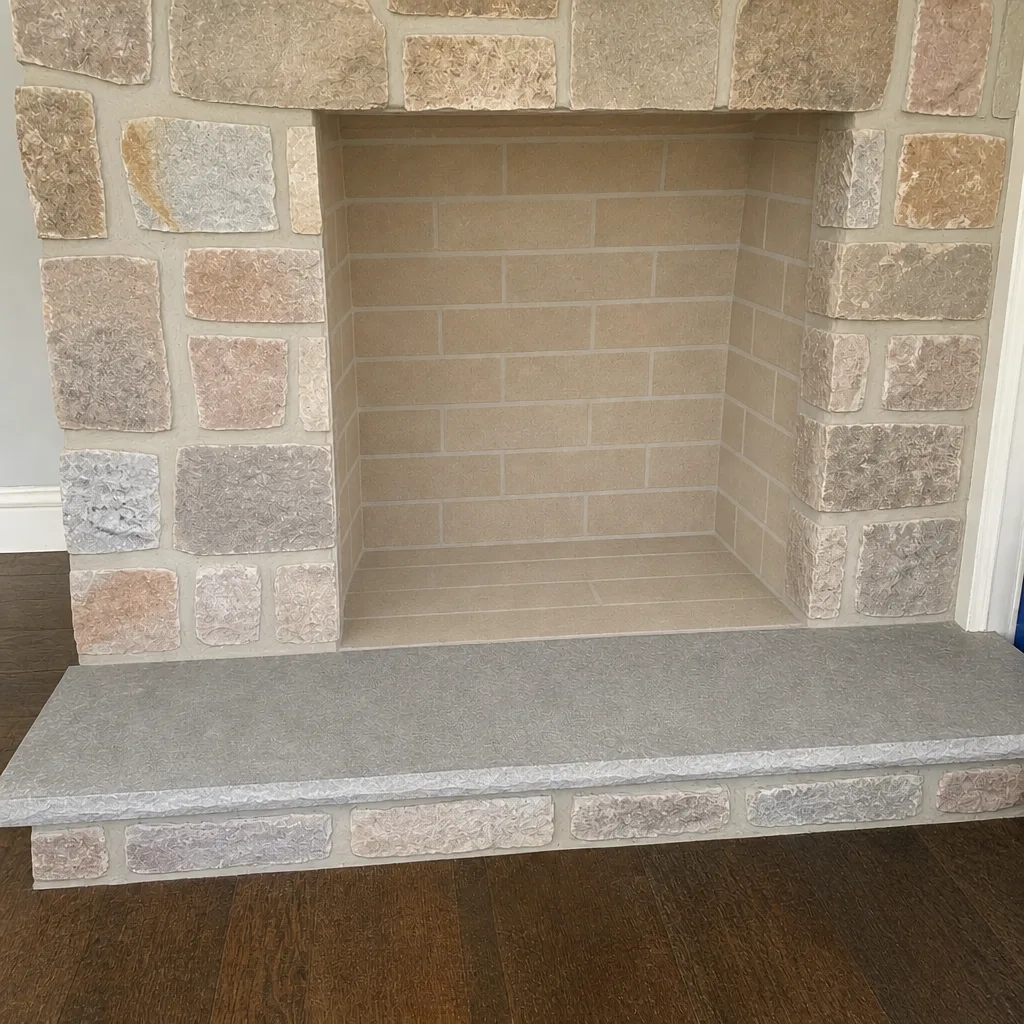
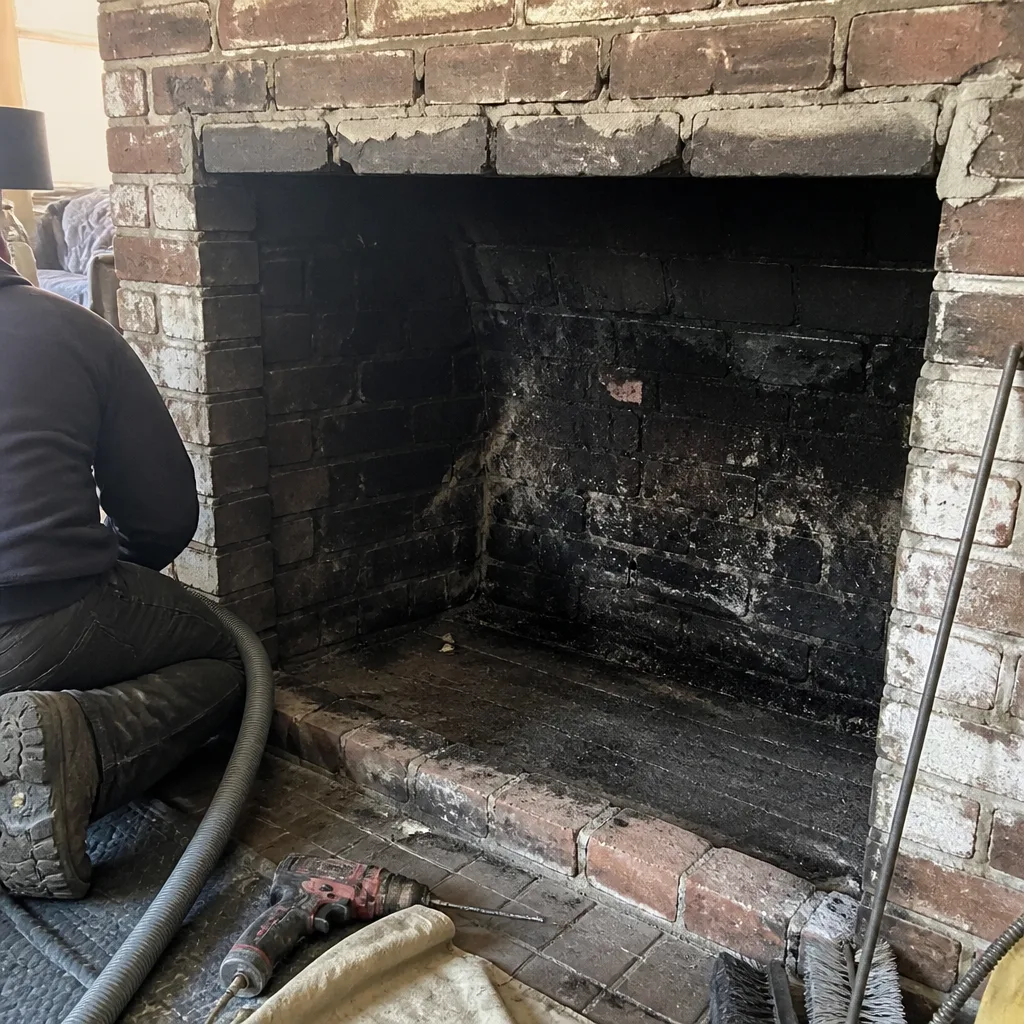
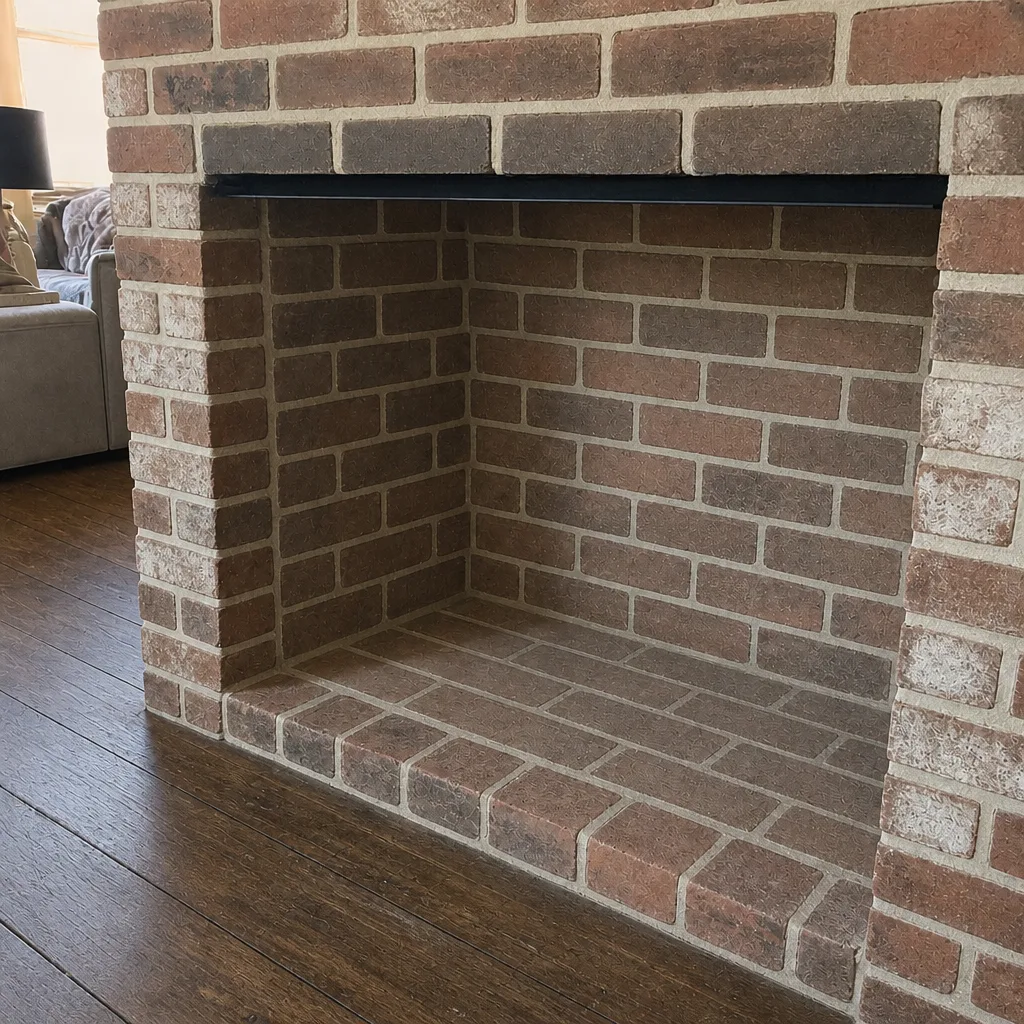
See the difference
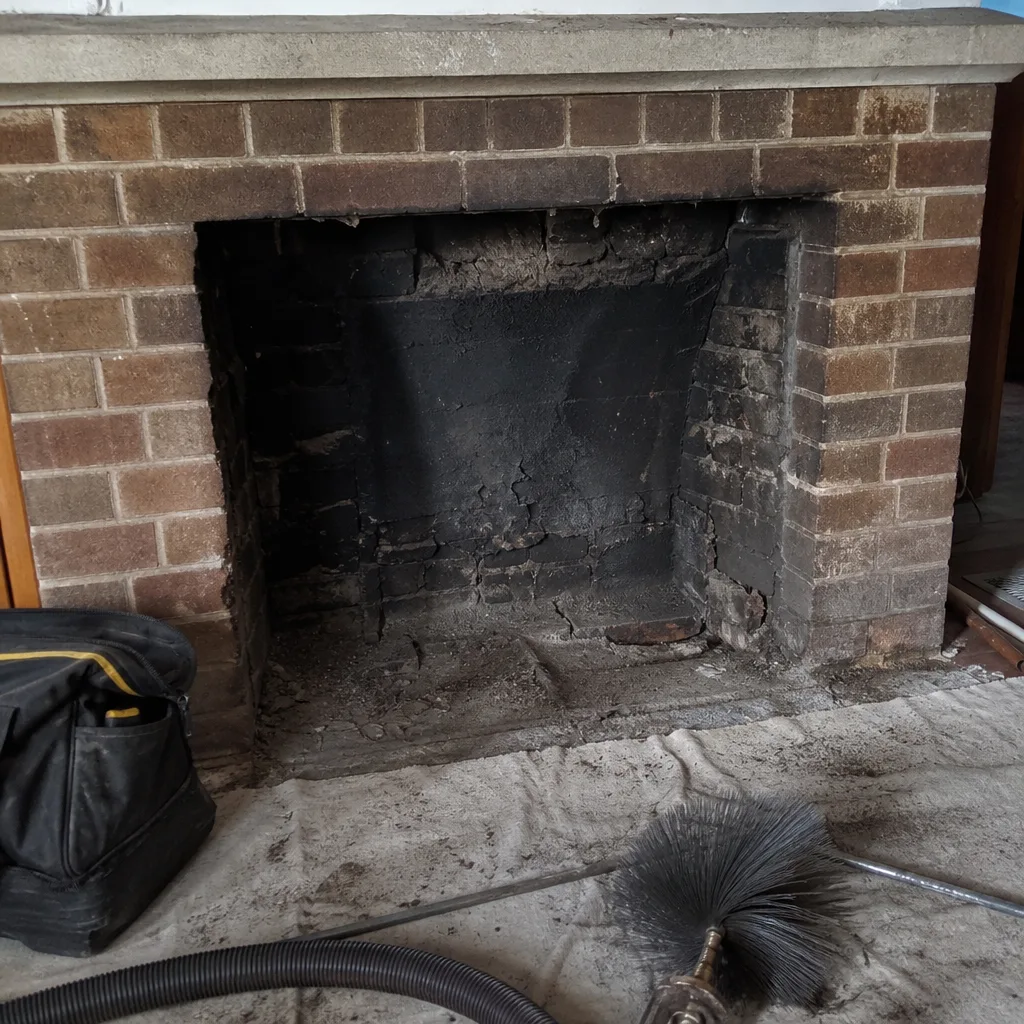 Before
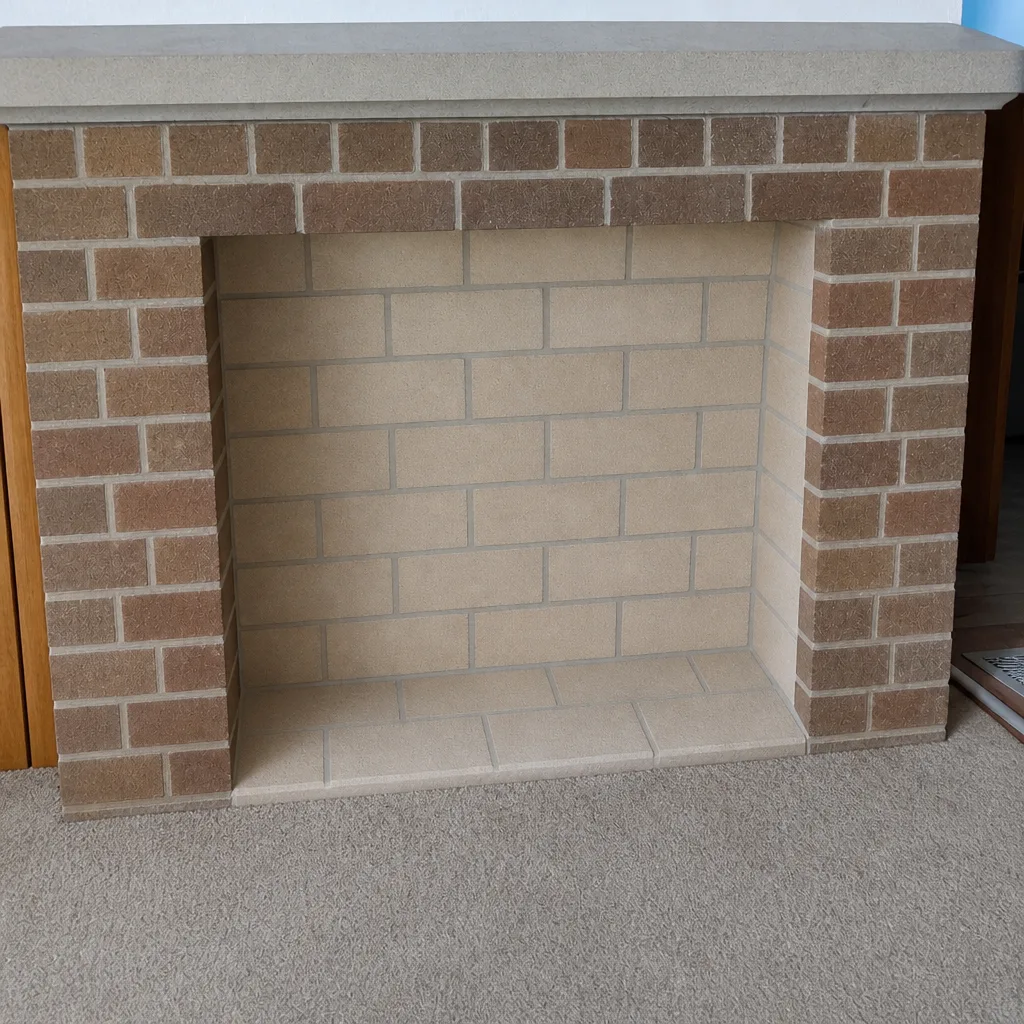 After
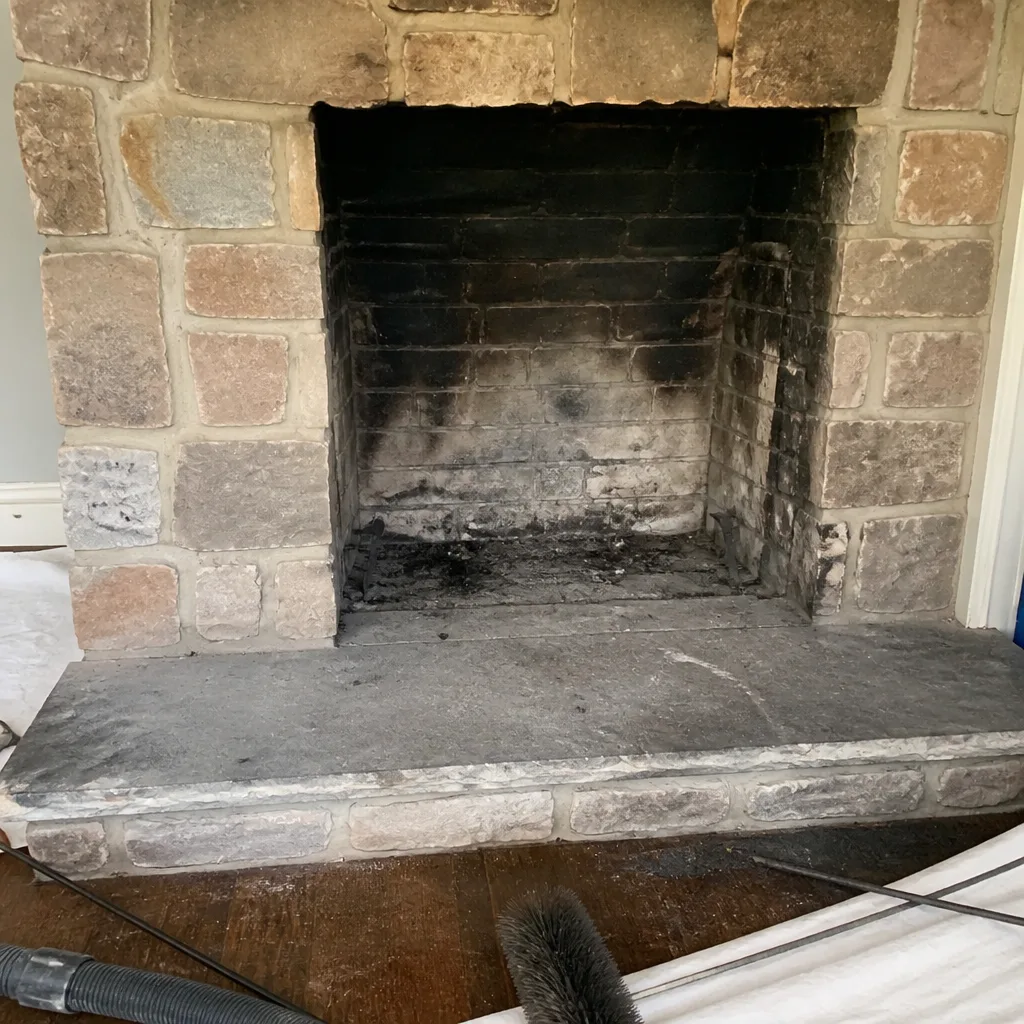 Before
 After
 Before
 After