
Last updated November 16, 2026
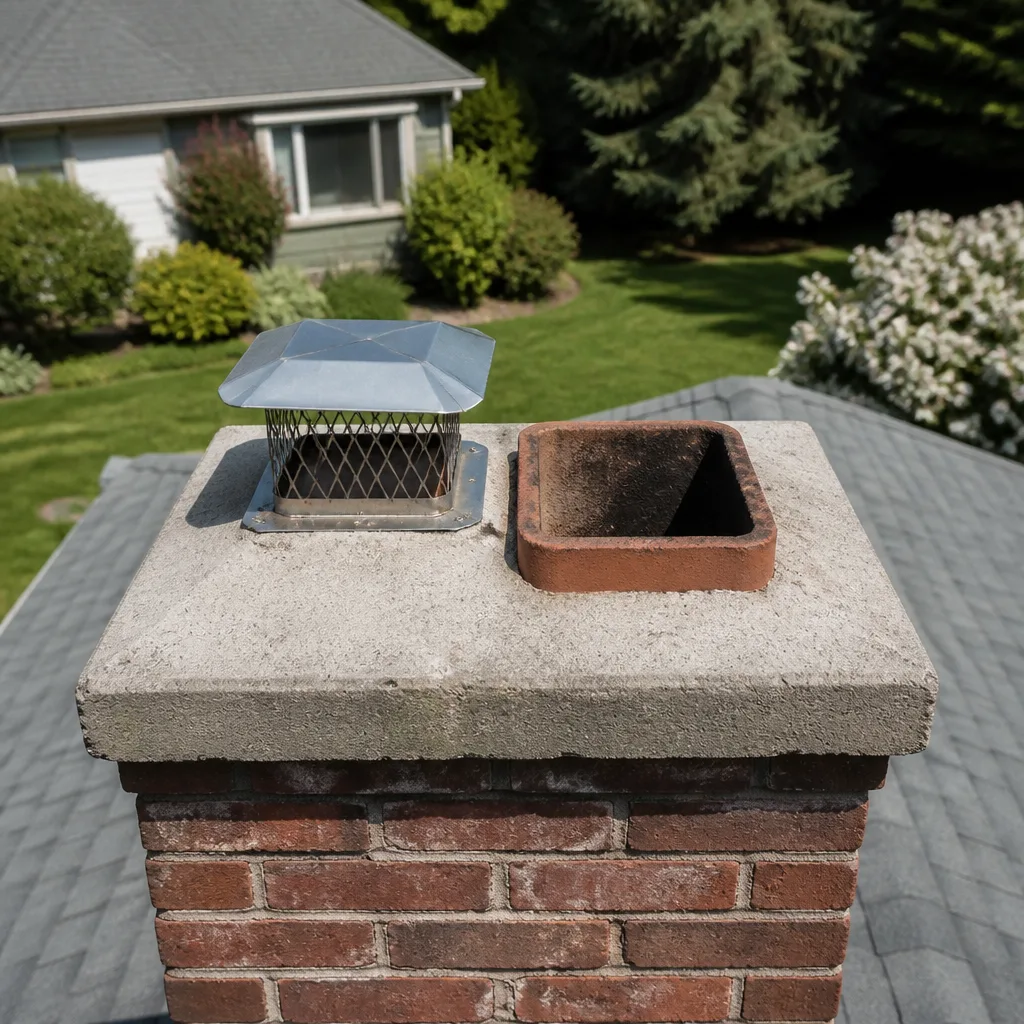 Sweep & inspection
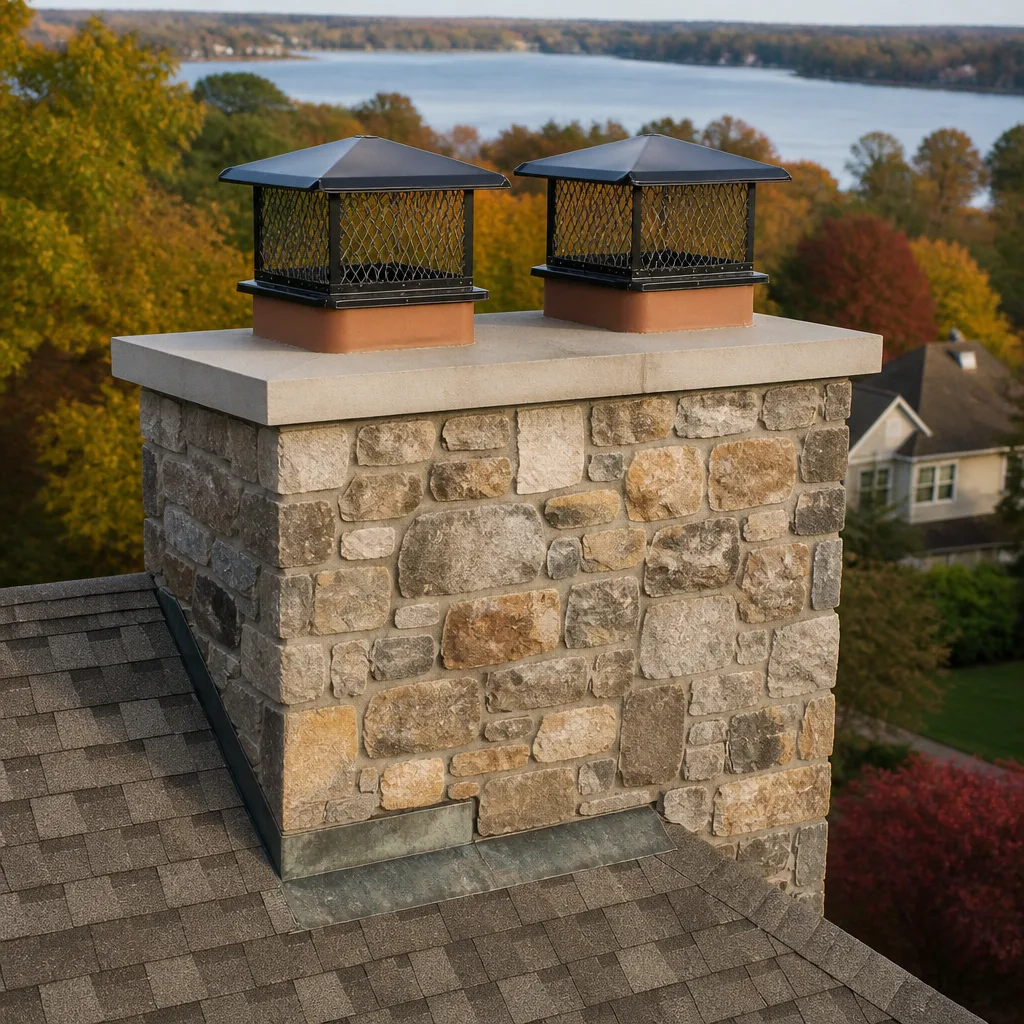 Caps & crowns
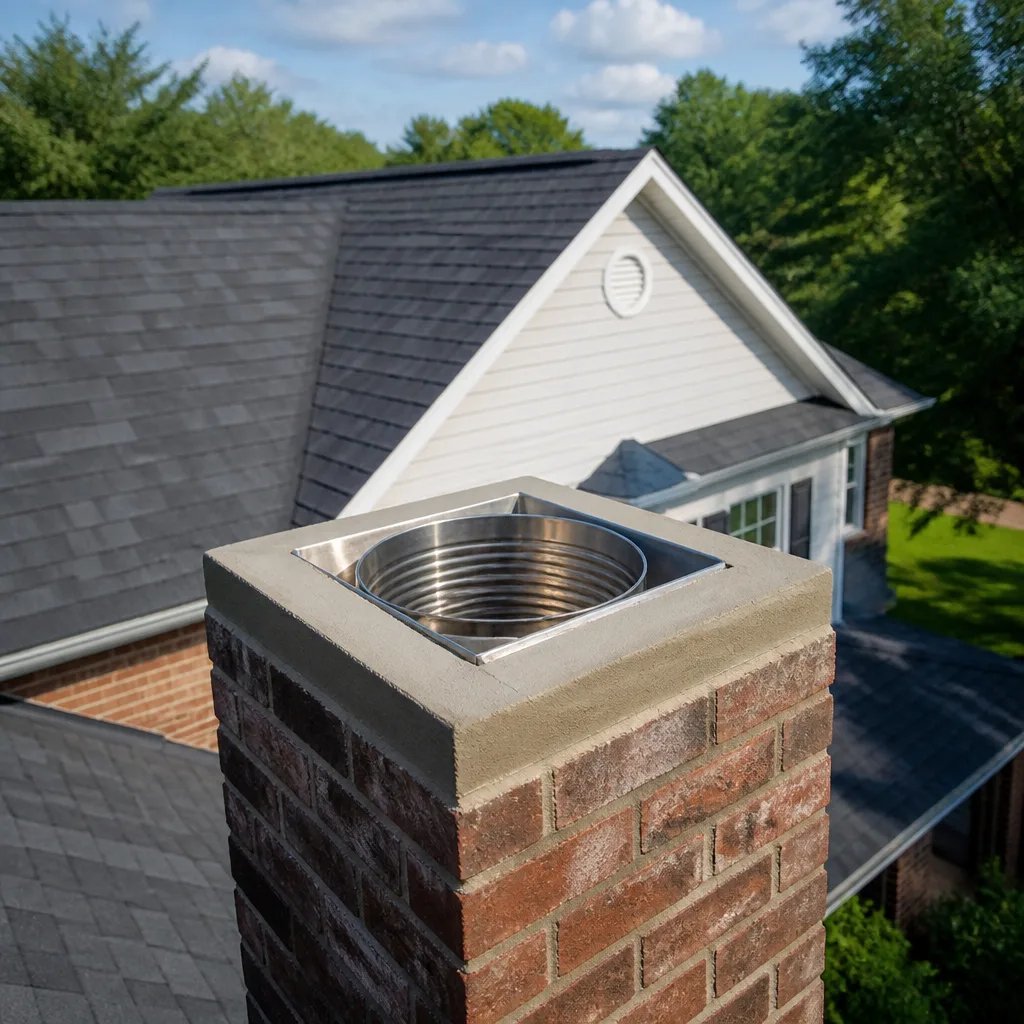 Flue relining
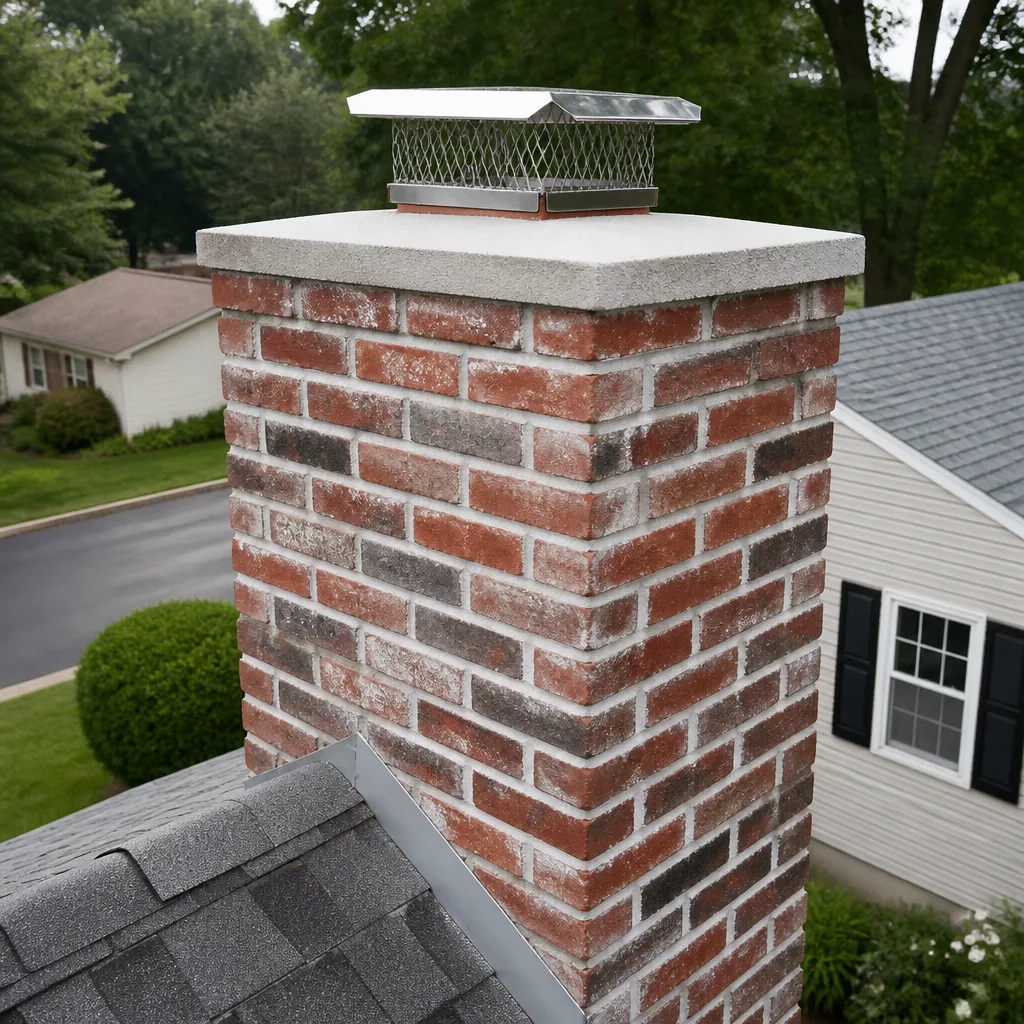 Masonry repair
 Gas fireplace service
Level 1 sweep and inspection to the NFPA 211 annual standard - flue, crown, cap, and flashing checked and photographed
Chimney sweep logs do not sweep chimneys. They loosen some creosote - which then falls where a brush and vacuum still have to collect it.
Chimney Cleaning Permits, Codes & Inspections in Elgin, IL: What You Need to Know
A standard chimney cleaning never touches a permit office. The HeatShield resurfacing job that sometimes follows one almost certainly should, and that distinction matters the moment you try to sell your home or file a fire loss claim. Most homeowners assume the whole chimney trade sits on one side of a line or the other. It doesn’t. Cleaning is maintenance. Relining, firebox rebuilding and cap replacement are alterations to the structure, and Elgin treats them that way under the building code it enforces. This guide draws the line clearly: what needs a permit, what doesn’t, which inspections carry legal weight, and how unpermitted chimney work surfaces during a sale. If you’ve ever wondered whether your last sweep should have come with paperwork, this is for you.
Quick Answer
Chimney cleaning itself does not require a permit in Elgin, Illinois. The repair work that often follows a cleaning does: liner replacement, firebox rebuilding, and new cap installations generally require a building permit because they alter the chimney structure and its code compliance. Inspections are separate from permits, and an NFPA 211 Level 2 inspection carries more weight than a code-compliance sign-off after a repair. When in doubt, ask the city’s building department before the work starts, not after.
Styles & brands we work with
- Sweep & inspection
- Caps & crowns
- Flue relining
- Masonry repair
- Gas fireplace service
Table of Contents
- Where the Permit Line Falls in Elgin
- How the International Residential Code Reaches Elgin Chimneys
- NFPA 211 as the Technical Standard Behind Local Code
- Code Inspections vs. CSIA Level 2 Inspections
- What Grandfather Protection Actually Covers
- How Unpermitted Chimney Work Surfaces at Sale
- Elgin’s Housing Stock and Chimney Compliance
- Common Mistakes to Avoid
Where the Permit Line Falls in Elgin
The simplest way to hold this in your head: maintenance stays permit-free, alterations don’t. A chimney sweep removes creosote and soot from the flue. Nothing structural changes. No permit, and none should be expected. The moment the work changes how the chimney is built or what it’s made of, the picture shifts. Elgin enforces the building code adopted by the State of Illinois, and under it the following generally require a permit:
- Liner replacement or relining. Whether you’re going with a stainless flexible liner or a cast-in-place restoration system like HeatShield, the flue’s interior geometry and material are changing. That’s an alteration.
- Firebox rebuilds. Rebuilding masonry in the firebox changes the combustion chamber’s dimensions and clearances. It’s structural work.
- New cap installations. A chimney cap anchors to the crown and flue top. It’s an exterior structural attachment, and the inspection that goes with it checks clearances and flashing. Cap work from Gelco or Famco still falls under the same rule.
- Chase or crown repairs that involve removing and replacing masonry or framing at the roofline.
What typically doesn’t need a permit: seasonal sweeping, a Level 1 visual inspection, a cap screen swap, and minor damper adjustments. When you’re unsure, a call to the city’s building department settles it in a few minutes. We’d rather you ask than find out at closing.
How the International Residential Code Reaches Elgin Chimneys
Illinois doesn’t write its own chimney chapter from scratch. The state adopts the International Residential Code, and local jurisdictions like Elgin enforce it. That means the IRC’s chimney and venting provisions are the standards a permit inspection is checking against. Some of the IRC requirements that come up most often in Elgin chimney work:
- Clearances to combustibles. The IRC specifies the minimum distance between a chimney and framing, insulation, and other combustible materials. Older homes frequently violate these because the code they were built under was looser.
- Flue lining. Every masonry chimney needs a continuous flue liner. If yours is cracked, spalled, or missing in sections, it fails compliance whether or not you’ve had a cleaning.
- Chimney height and termination. The IRC sets the rule for how far above the roofline and nearby roof surfaces a chimney must terminate to draft properly.
- Cap and spark arrestor requirements depending on the appliance connected.
- Venting of gas appliances sharing a chimney with solid fuel, which is common in Elgin homes converted from oil or wood to gas heat over the years.
We work from the assumption that the IRC is the only measuring stick the permit office will use, so we build inspection reports around those specific line items. If a liner fails clearance, an inspector will flag it. Better to know before the permit is pulled and the work is scheduled.
NFPA 211 as the Technical Standard Behind Local Code
NFPA 211 is the Standard for Chimneys, Fireplaces, Vents, and Solid Fuel-Burning Appliances. It’s the technical document the IRC points back to for chimney inspections and clearances. Think of it this way: the IRC is the law, NFPA 211 is the manual that explains how to meet the law. When an inspector looks at your chimney, NFPA 211 is what dictates the three inspection levels:
- Level 1: a visual check of accessible portions of the chimney and appliance, done during a routine sweep. Appropriate when the appliance hasn’t changed and there’s no known problem.
- Level 2: a more thorough inspection, including accessible attic, crawlspace, and rooftop areas, plus video scanning of the flue interior when required. This is the level triggered by a change in fuel type, a changed appliance, a real estate transaction, or an event like a chimney fire.
- Level 3: a diagnostic inspection that may involve opening walls or removing portions of the chimney to reach concealed areas. Rare, but necessary when a serious hazard is suspected in an inaccessible section.
For Elgin homeowners, Level 2 is the one that comes up most often. It’s what a buyer’s inspector typically requests, what an insurance adjuster wants after a chimney fire, and what a reputable chimney professional will recommend after any significant repair. We document what we find with photos and video so you can hold the report in your own hands.
Code Inspections vs. CSIA Level 2 Inspections
These are two different documents with two different purposes, and confusing them causes real trouble. A code-compliance inspection is the sign-off a municipal inspector provides after permitted work is done. The building department sends someone to confirm the work meets the IRC, then closes the permit. That document says: the work as built is legal. A CSIA Level 2 inspection is a chimney-specific evaluation performed by a qualified technician following NFPA 211. That document says: here is the current condition of every accessible part of the chimney system, verified by video. It doesn’t certify that the work met a building permit, and it doesn’t substitute for one. What each one is good for:
- Municipal code sign-off: proof for the building department’s records and for title, that permitted work was inspected and closed. It won’t tell a future buyer what’s happening inside the flue today.
- CSIA Level 2 inspection: the document a buyer, an insurance adjuster, or a chimney professional reads to understand current condition. It’s what catches a cracked clay tile, a failed joint, or improper clearances, whether or not any permit was ever issued.
In a real estate transaction, you usually need both: the paper trail of permits plus a current Level 2. In our experience, sellers who only have one end up going back for the other at the worst possible time. Elgin’s older housing stock makes this especially common because inherited chimney work is often undocumented.
What Grandfather Protection Actually Covers
A clay tile liner in an older Elgin home that doesn’t meet current IRC clearance requirements isn’t automatically illegal. Existing construction is generally allowed to remain as-is under what people call grandfather protection. That’s the good news. The limits of that protection are what trip homeowners up:
- Grandfathering ends when you alter the chimney. The moment you replace the liner, rebuild the firebox, change the appliance, or do substantial structural work, the chimney must come up to current code. Replacing a liner the same way it was done in 1960 is not permitted under grandfather protection.
- Grandfathering doesn’t block enforcement after a hazard. If a code official or a Level 2 inspection finds a serious clearance violation or an unlined flue, the property can be cited or the sale held up regardless of the original approval. Protection applies to compliant legal construction at the time it was built, not to hazards.
- Grandfathering doesn’t transfer with a sale. A buyer’s lender or insurer can require corrections as a condition of lending or coverage. That’s a contractual condition, not a code exemption.
- Grandfathering doesn’t apply to unsafe use. Using a fireplace with a cracked liner is a fire hazard whether or not the chimney was originally legal.
Grandfather protection is a legal shield for what’s already there. It isn’t a pass to skip repairs, and it doesn’t survive the next contractor’s alteration.
How Unpermitted Chimney Work Surfaces at Sale
When you sell a home in Elgin, the buyer’s inspector and the title company eventually ask about permits. That’s where unpermitted chimney work shows up. The discovery usually happens in one of three ways: a permit search at the title company that shows a liner replacement with no closed permit, a home inspector who notices the liner material doesn’t match the original construction, or an insurance adjuster reviewing a fire loss claim. Once it’s discovered, the remediation timeline is fairly consistent:
- Diagnosis. A Level 2 inspection establishes what was actually installed and whether it’s currently compliant. This is a same-day service in most cases.
- Permit application. A retroactive permit is filed describing the existing work. The city may require corrections before approving.
- Correction work. If the liner is undersized, improperly connected, or unsafe, it’s replaced or repaired. HeatShield restoration can sometimes bring a clay tile liner into compliance without a full replacement; in other cases, a stainless flexible system from DuraFlex or Olympia Chimney is the right fix.
- Municipal inspection and sign-off. The building department inspects the corrected work and closes the permit.
- Documentation for closing. The sign-off is attached to the sale package.
Cost depends entirely on how bad the original work was. Compliance corrections cost more than doing it right the first time, and the pressure of a closing timeline doesn’t make the work happen faster. In our experience, the cheapest path is always pulling the permit up front. When unpermitted work is found during a sale, the buyer, lender, and insurer all want answers at once, and that’s when corners get cut.
Elgin’s Housing Stock and Chimney Compliance
Elgin’s neighborhoods span a wide range of construction eras, and each era brings its own chimney complications. Homes around the near-downtown and older core areas often date to the early and mid-twentieth century, when clay tile liners were installed without the clearance verification the IRC now requires. Those flues can function fine as built, but they rarely meet today’s standards, which is exactly why grandfathering exists. Homes built further out in the last few decades of the twentieth century typically have masonry chimneys with tile liners built to tighter tolerances, though gas appliance conversions over the years often created venting situations the original design didn’t anticipate. Newer construction tends to use factory-built chimney systems with their own manufacturer listing requirements, and any modification needs to stay within those requirements to remain compliant and insurable.
The Elgin climate matters too. Cold winters and the freeze-thaw cycle work on exterior masonry, opening hairline cracks in the crown and mortar joints over time. Those cracks let moisture in, the moisture freezes and expands, and the cycle repeats. A chimney that passed inspection in autumn can develop spalling by spring. That’s not a reason to skip your annual check; it’s a reason to keep it.
Common Mistakes to Avoid
- Assuming the sweep’s inspection covers the permit. A cleaning report isn’t a permit and doesn’t replace one. Ask specifically what your sweep includes before the work begins.
- Letting a liner be installed without a permit. It’s the single most common unpermitted chimney repair we encounter. It creates problems at sale, at claim time, and during any future inspection.
- Treating grandfathering as a permanent shield. Altering the chimney voluntarily removes the protection. Plan on current code applying once you change anything.
- Using a general handyman to rebuild a firebox or install a cap. These are chimney-specific tasks with code implications, and the materials matter. Gelco and Famco caps anchor differently than generic hardware-store substitutes, and the inspection checks the anchoring.
- Skipping the Level 2 inspection before listing a home. The buyer’s inspector will request one. Better to find out early than in the middle of negotiations.
- Repairing a liner with an unlisted method. Using products not specified for liner restoration – drywall compound, generic mortar, hardware-store sealant – can fail inspection and void insurance coverage. HeatShield is a listed restoration system; that matters.
- Waiting for a hazard to trigger a repair. A cracked liner or failing firebox is not something to defer. The permit side is the easier half of the problem; safety is the harder half.
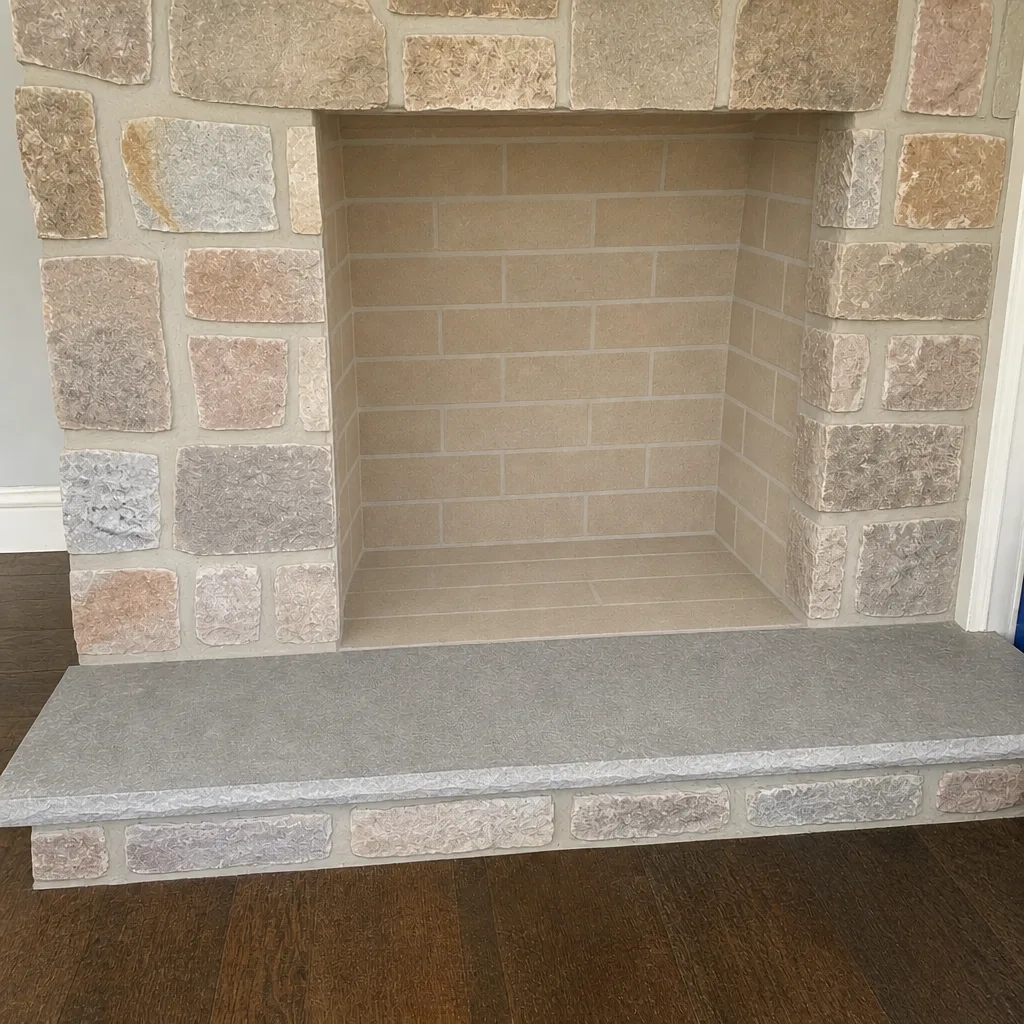
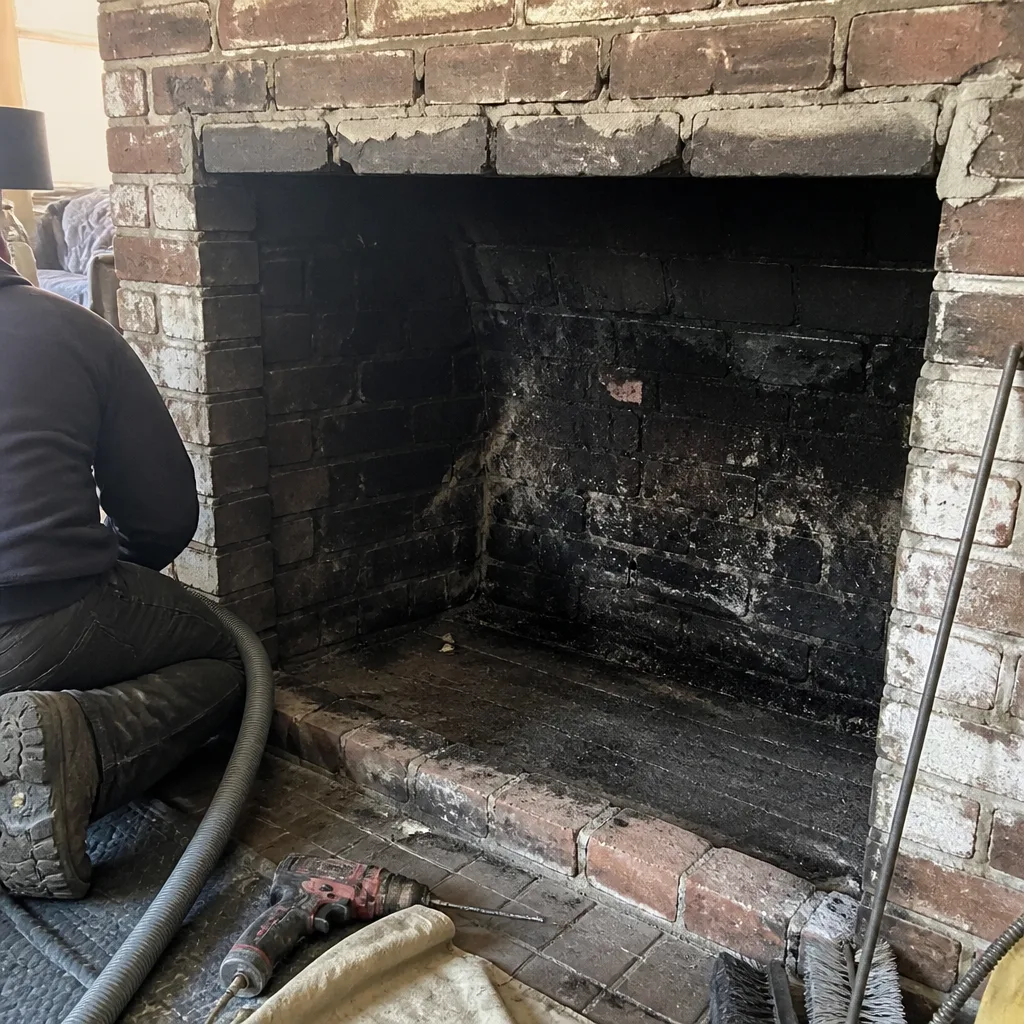
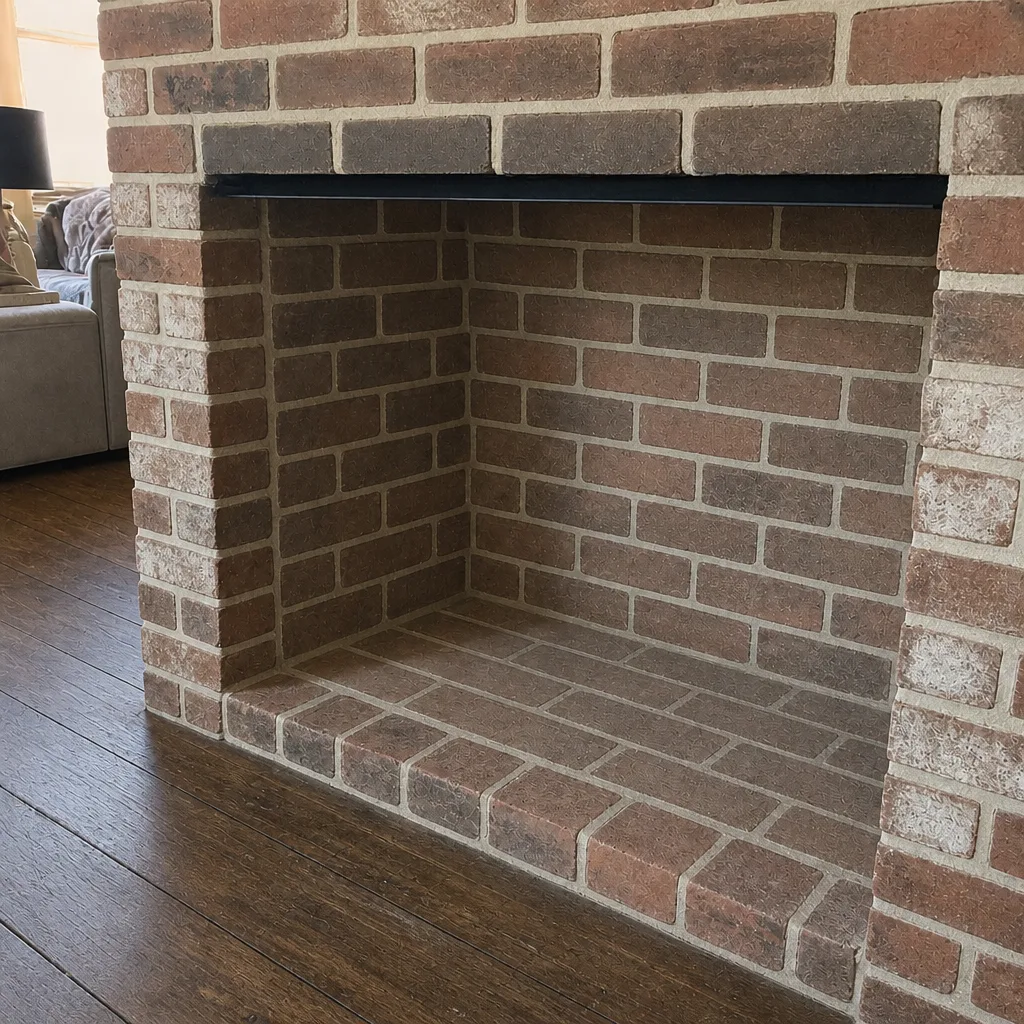
See the difference
 Before
 After
 Before
 After
 Before
 After
When to Call a Professional
Call us when you’re planning a repair that likely requires a permit: liner replacement, firebox rebuild, cap installation, or any structural masonry work. Call us when you’re buying or selling an Elgin home and need a current Level 2 inspection documented. Call us when a cleaning reveals a problem the technician can’t fully evaluate with a visual check. Call us when you’ve had a prior repair done and the paperwork is missing. Call us when you’re not sure whether you need a permit, and we’ll walk you through what the work involves and where the code line falls. Chimney Sweep Elgin offers free estimates in Elgin. Call (877) 382-6902. We answer 24/7. Fast dispatch from 7am to 7pm, Sunday through Friday.
Frequently Asked Questions
No. Chimney cleaning is routine maintenance, not structural alteration, and it doesn’t require a permit in Elgin. If the cleaning reveals work that needs to be done – a liner repair, firebox rebuild, or cap replacement – that work often does require a permit. Call (877) 382-6902 for an exact quote on any repair work; estimates are free.
Yes. Liner replacement changes the flue’s materials and geometry, so it’s treated as an alteration under the IRC, which Illinois adopts and Elgin enforces. That includes cast-in-place restoration systems like HeatShield and stainless flexible liners from brands like DuraFlex. Ask your contractor to confirm the permit before the installation begins.
A code inspection is the municipal sign-off after permitted work is complete, confirming the installation meets the IRC. A CSIA Level 2 inspection is a chimney-specific evaluation under NFPA 211 that documents current condition with video. They’re different documents. A sale or an insurance claim usually needs both.
It protects it only as long as the chimney isn’t altered and remains safe. Existing construction generally doesn’t have to be upgraded to meet current code. But the moment you replace the liner, rebuild the firebox, change the appliance, or do substantial work, the chimney must meet current code. Grandfathering doesn’t survive that alteration.
The sale typically stalls until the work is brought into compliance. That means a retroactive permit, a Level 2 inspection to determine what was installed, correction work if the installation doesn’t meet code, and a municipal sign-off. In our experience, the corrections cost more than doing it right the first time.
The Elgin building department can search permit records for the address. If no permit shows for a liner replacement or structural repair, ask for a CSIA Level 2 inspection before the sale or claim proceeds. Call (877) 382-6902 to schedule one. Estimates are free.
The Bottom Line
Chimney cleaning doesn’t need a permit. The repairs that frequently follow one often do. Liner replacement, firebox rebuilds, and cap installations fall on the permit side under the IRC that Illinois adopts and Elgin enforces; sweeping and routine Level 1 inspections don’t. A code inspection after a permitted repair is a different document from a CSIA Level 2 inspection under NFPA 211, and a sale or insurance claim usually needs both. Grandfather protection shields existing construction, but not alterations, not hazards, and not the buyer’s lender. Unpermitted liner work is the most common compliance problem we see, and the corrections cost more than doing it right the first time. We document what we find, then fix it with materials you can look up.
If you’re planning a repair and you’re not sure whether it needs a permit, we’re glad to walk you through it. Elgin homeowners can reach us for a free estimate, and we’ll tell you where the work stands against the code before anything gets scheduled. Call (877) 382-6902. We answer 24/7. Fast dispatch from 7am to 7pm, Sunday through Friday.
Written by the team at Chimney Sweep Elgin.