
Last updated November 16, 2026
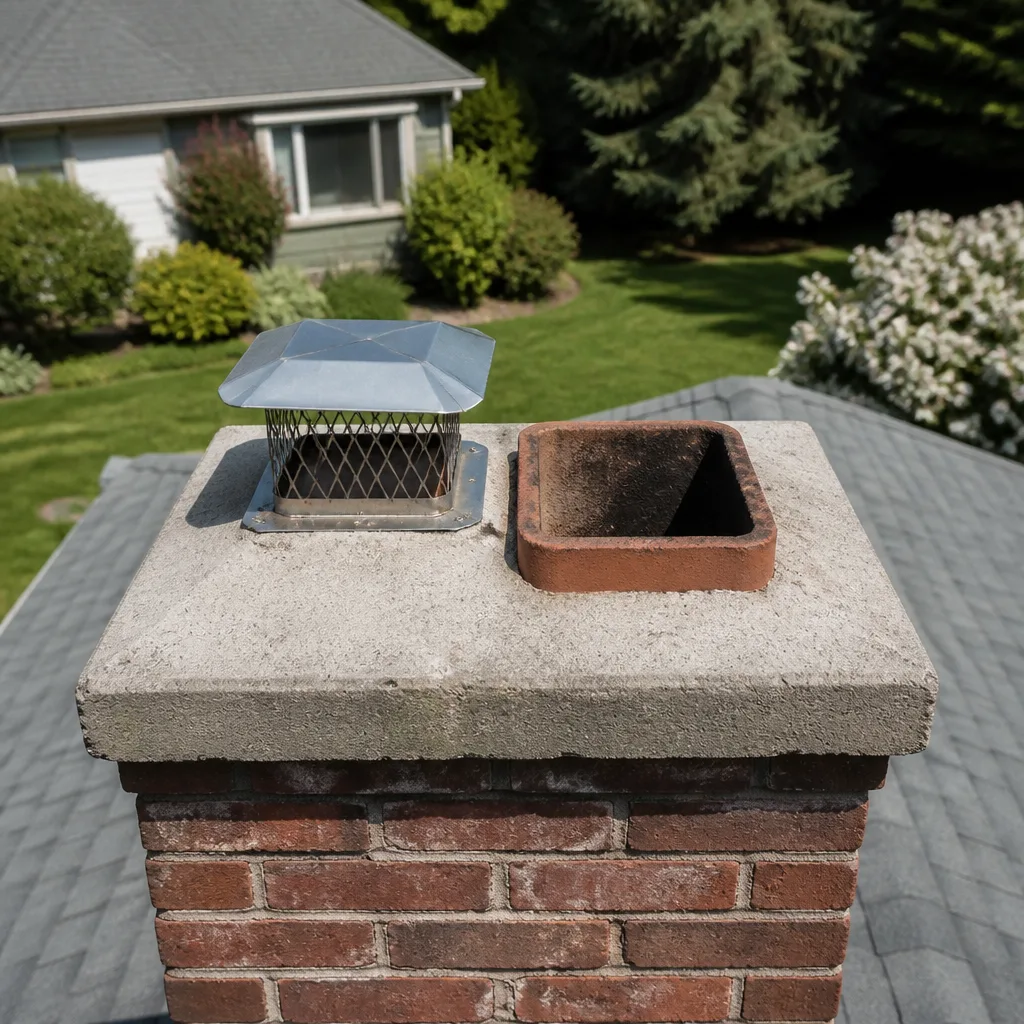 Sweep & inspection
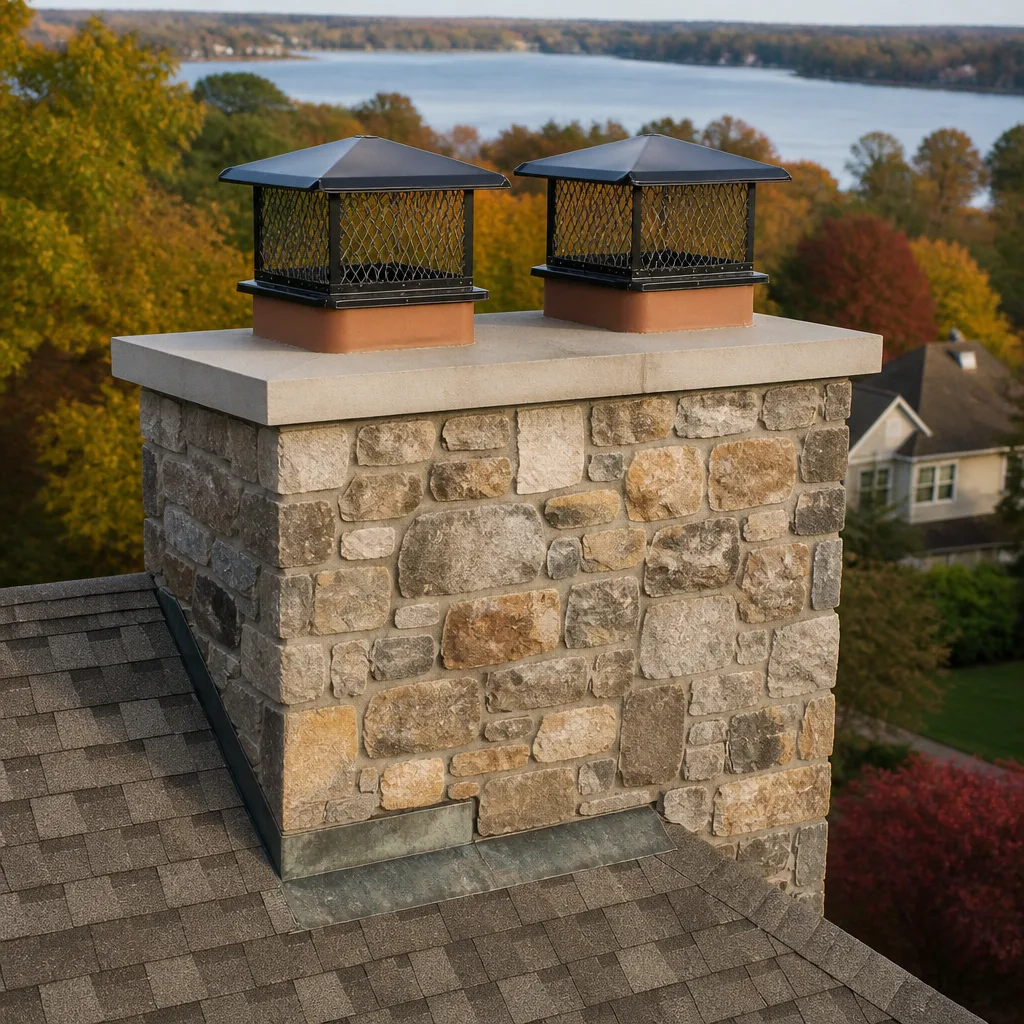 Caps & crowns
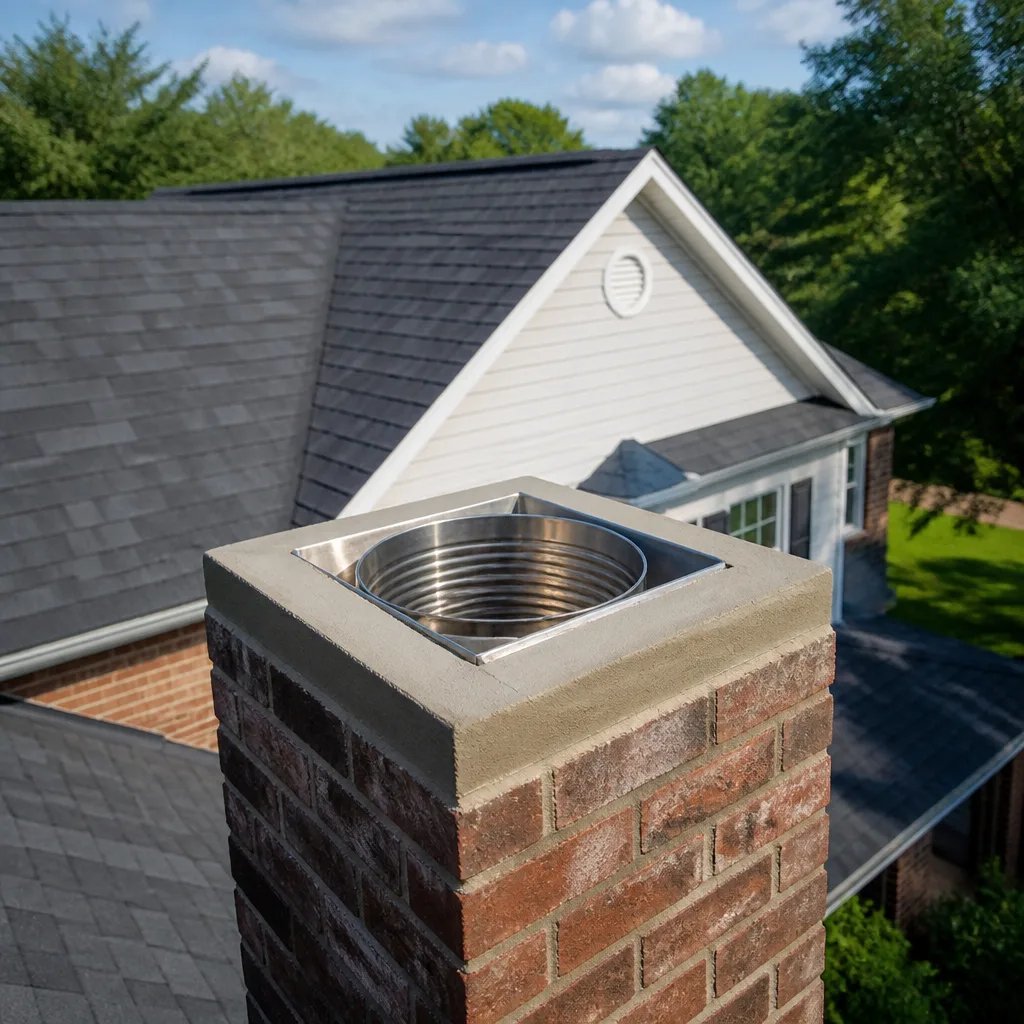 Flue relining
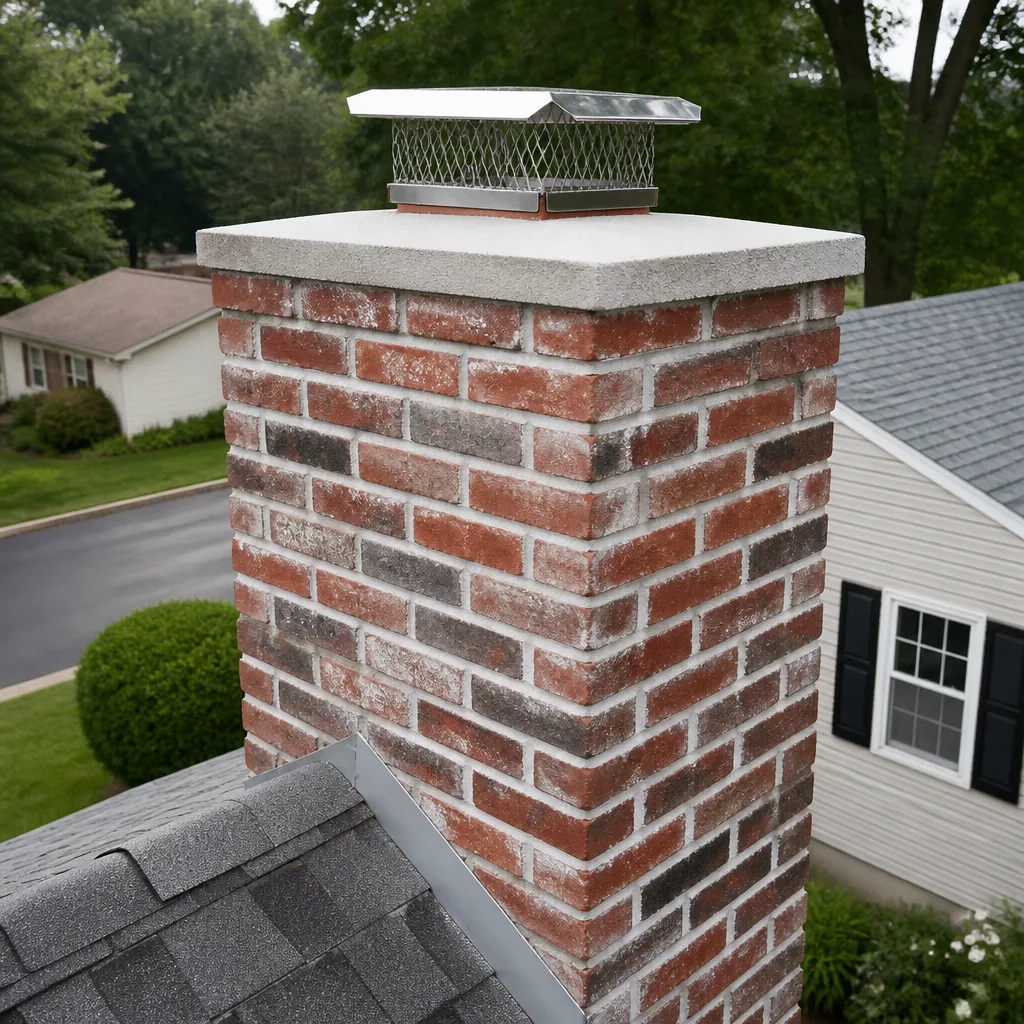 Masonry repair
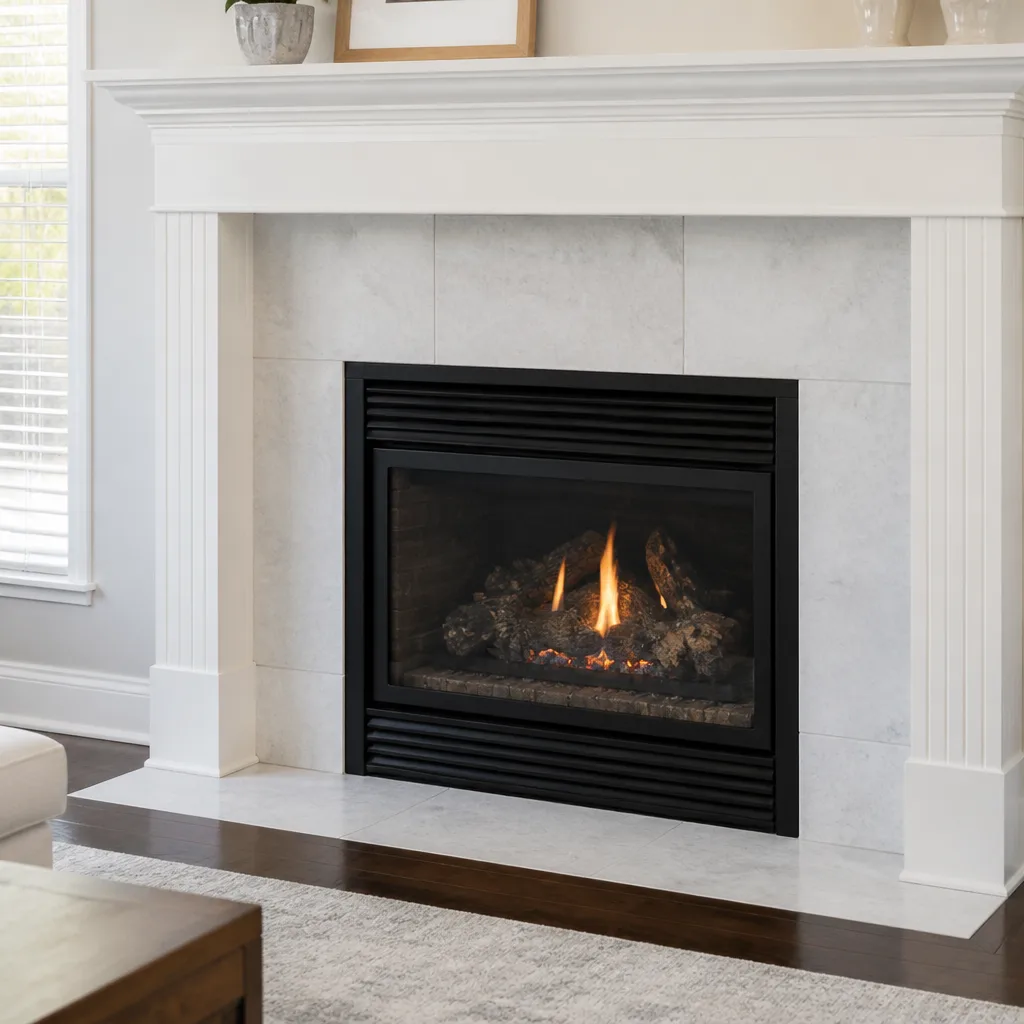 Gas fireplace service
Level 1 sweep and inspection to the NFPA 211 annual standard - flue, crown, cap, and flashing checked and photographed
Chimney sweep logs do not sweep chimneys. They loosen some creosote - which then falls where a brush and vacuum still have to collect it.
The Complete Guide to Chimney Cleaning in Elgin
Most chimney fires don’t start because a homeowner skipped cleaning. They start because the cleaning happened without a Level 2 inspection that would have caught the cracked flue tile sitting underneath the creosote. A brush and a vacuum make the flue look clean. They tell you nothing about the gaps behind the glaze, the spalled mortar joints, or the smoke chamber shelf that collects creosote like a ledge. This guide covers the whole sequence a real cleaning involves, why Elgin’s freeze-thaw winters change what a technician should be looking for, and the difference between a receipt that proves someone stopped by and a report that protects you. By the end, you’ll know what to ask, what to watch for, and when it’s time to schedule.
Quick Answer
A professional chimney cleaning in Elgin is more than brushing the flue. It’s a sequence: a Level 1 or Level 2 inspection to document the chimney’s condition, mechanical sweeping of the firebox, damper, smoke chamber, and flue, then a written report noting creosote degree, blockages, and any structural issues. Most wood-burning chimneys need this annually, and Elgin’s long freeze-thaw season makes the inspection portion more important than in milder climates. Expect the visit to include camera evidence you can see, not just a verbal summary.
Styles & brands we work with
- Sweep & inspection
- Caps & crowns
- Flue relining
- Masonry repair
- Gas fireplace service
Table of Contents
- Why Elgin’s Climate Makes Chimney Cleaning Different
- What Actually Happens During a Professional Chimney Cleaning
- The Three CSIA Inspection Levels (and Which One You Actually Need)
- Creosote Degrees: Why a Standard Brush Won’t Remove Third-Degree Glaze
- The Smoke Chamber Problem (and How to Verify It Was Swept)
- Receipt vs. Report: The Document That Protects You
- How Often Should an Elgin Chimney Be Cleaned?
- What Does Chimney Cleaning Cost in Elgin?
Why Elgin’s Climate Makes Chimney Cleaning Different
Elgin sits in a stretch of northern Illinois that logs more than 40 nights below freezing in a typical year. That matters for masonry chimneys in ways it doesn’t in, say, Tennessee or the Pacific Northwest. Water gets into small cracks in the mortar and clay flue tiles during fall rain. Overnight it freezes and expands. By morning it has pushed the crack a fraction wider. Repeat that cycle across 40-plus nights a season, and the mortar joints between flue tiles start to spall, meaning the surface flakes and pits. The clay tile itself can hairline-crack. A chimney that looked fine in October can have a real problem by March.
This is the reason a cleaning in this part of Illinois is partly a survey of masonry integrity, not just a creosote removal job. The technician should be checking:
- Mortar joints between flue tiles for spalling, missing sections, or visible gaps
- Exterior crown and wash for hairline cracks that let meltwater into the flue
- Flashing at the roofline for lifted edges that let water track down the outside of the chimney
- Spark arrestor and cap for rust, loose fasteners, or missing bird screening
Elgin’s housing stock ranges from older homes near downtown with original brick stacks to newer construction on the west side with factory-built fireplaces. Both need the same seasonal check, but they fail differently. Older brick chimneys spall and crack at the mortar. Factory-built units tend to fail at the flue joints and around the cap. If your chimney cap or top-sealing damper came loose over a winter, that’s a repair the same technician should be able to handle. We stock chimney repair materials from Gelco and Famco, and a missing or rusted cap is one of the most common findings on an Elgin sweep.
The freeze-thaw pattern also means cleaning season here runs longer than a homeowner might expect. Many people schedule a sweep in early fall before the first fire. That’s sensible. But if a chimney sat unused for a summer, moisture can work on the masonry through spring and summer, and the first cold snap finds cracks that weren’t there in spring. A quick check before you light the first fire is worth doing, and so is a look after the coldest stretch of the season if you burn heavily.
What Actually Happens During a Professional Chimney Cleaning
A real chimney cleaning is a sequence of steps, done in order, with documentation between them. What most homeowners picture: a technician with a brush and a shop vac, maybe 20 minutes, maybe a puff of soot. What a professional cleaning actually is: a documented process that produces evidence.
Here’s the sequence as we run it on a typical Elgin appointment:
- Layout and protection. Drop cloths or plastic sheeting go down in front of the fireplace. HEPA vacuum hook-up at the firebox before anything gets disturbed.
- Pre-sweep inspection. A visual check of the firebox, damper, smoke chamber, and flue from the bottom, and the cap and crown from the roof if accessible.
- Firebox and damper sweep. Manual brushing of the firebox walls, the damper frame, and the smoke shelf.
- Smoke chamber sweep. The corbeled section above the damper gets brushed or scraped. This is the section most basic services skip.
- Flue sweep. Rotary or poly brushes sized to the flue, run from bottom-up or top-down depending on access.
- Debris removal. Ash and creosote collected in the firebox and hauled out, not left in a bucket by the front door.
- Camera inspection. A chimney camera run up the flue to check for cracks, gaps, offset joints, or blockages from birds and nests.
- Written report and photos. A document that lists what was found, what it means, and what (if anything) needs fixing.
Steps 4, 7, and 8 are the ones that separate a sweep from a real cleaning. Ask any contractor how they handle each of them. The answer tells you more than any price quote will.
The Three CSIA Inspection Levels (and Which One You Actually Need)
The Chimney Safety Institute of America defines three inspection levels. Most homeowners hear the terms and assume the higher number is always better. Not so. Each level has a specific purpose, and the right one depends on what changed since the last inspection.
- Level 1 (visual, accessible areas). A look at all accessible portions of the chimney from inside and outside, without tools that access hidden areas. Appropriate when the chimney’s condition is known and no change has occurred: same appliance, no damage, no new problem.
- Level 2 (accessible areas plus video scan). The Level 1 check plus a video scan of the interior flue surface. Appropriate after any change of appliance, after a chimney fire, after an earthquake or building event, after a long period unused, and any time the chimney is being sold with a home. This is also the level that most standard cleanings should include if the chimney’s history is unclear.
- Level 3 (invasive). A Level 1 and 2 plus removal of parts of the chimney or structure to access hidden areas. Appropriate only when a Level 1 or 2 found a serious defect that can’t be evaluated from inside the flue.
What this means practically: after a cleaning, the answer to “which level do I need” depends on the last inspection and what’s changed. If you bought the house new or haven’t had an inspection since a previous owner, Level 2 is the sensible baseline. If your appliance changed (insert added, stove upgraded, liner replaced), Level 2 is the baseline. If nothing has changed and the last report was clean, Level 1 covers it. Level 3 is a repair diagnostic, not a routine step.
Be cautious with any contractor who offers a “free inspection” that jumps straight to a Level 3 recommendation. The Level 3 conversation makes sense once a Level 2 has found something. It makes no sense as the opening move. If your chimney sweep finds a defect worth acting on, you deserve a video clip of it before anyone quotes repair work. The footage is the evidence. If it isn’t offered, ask for it.
Creosote Degrees: Why a Standard Brush Won’t Remove Third-Degree Glaze
Creosote forms when wood smoke cools on its way out of the flue. It accumulates in three recognizable forms, and each one needs different removal methods.
- First-degree: soot and light fluff. Dusty, gray-brown, brushes off with standard poly brushes. Most homeowners who burn seasoned hardwood and run hot fires see this, sometimes mixed with paper ash.
- Second-degree: flaky crust. Brittle chips and flakes. Standard brushes pull most of it, but stiff bristle types or rotary tools may be needed on stubborn patches.
- Third-degree: glazed creosote. Hard, shiny, tar-like. It looks a bit like black plastic or dried lacquer. Standard brushes skate over it. The glaze bonds to the flue tile in a way a brush can’t break.
Glazed creosote is the serious one. It burns hot, it can catch under the right conditions, and it will not come off with mechanical brushing. Removing it requires chemical treatment followed by mechanical removal once the glaze softens. Professional product lines like those from Copperfield do this work. It’s a multi-step process, not a one-visit task, and it’s part of why basic swab-only services struggle with glazed chimneys. If your technician finds glazed creosote and brushes it and calls the job done, that’s a red flag. The glaze is still there.
What causes third-degree in Elgin specifically: burning wet or unseasoned wood, running the fire cool (smoldering, poor draft), and a flue that’s oversized for the appliance. A fireplace rated for a specific heat output, connected to a flue that’s too wide for it, will build creosote faster because exhaust cools before it exits. That’s one of the reasons the inspection portion matters. If your appliance-to-flue match is off, cleaning buys you less time than you think.
The Smoke Chamber Problem (and How to Verify It Was Swept)
The smoke chamber is the tapered section above the damper and below the flue. It’s corbeled brick, angled inward, and it collects creosote and ash on its ledges. It’s also the section most cleaning services skip because getting a brush into it requires more than a straight flue run and a shop vac. Standard one-visit sweeps can brush the flue and vacuum the firebox and call it done. The smoke chamber stays loaded.
Why that matters: the smoke chamber is a surface creosote can ignite on, and it’s the surface closest to the damper. If you can’t verify it was swept, you can’t really say the chimney was cleaned. Here’s how to check:
- Ask what the cleaning includes for the smoke chamber, specifically. “We vacuum the firebox” is not an answer to that question.
- Ask for a photo of the smoke chamber before and after. A camera on a pole can get into that section in most homes.
- Look at the report. If the report has no entry for the smoke chamber at all, that section wasn’t addressed.
We sweep the smoke chamber as part of every cleaning because it’s part of the system. If the corbeled brick is spalled or the parging has failed, that’s a repair. HeatShield restoration is one option we carry for chimney interiors that need more than a cleaning, and it’s a material most basic sweep services don’t offer. If your smoke chamber has gaps or failed parging, that report should name the problem and offer a real plan, not just suggest another cleaning next season.
Receipt vs. Report: The Document That Protects You
A receipt proves someone was at your house and you paid them. A report proves what they found and what it means. For insurance purposes, for resale disclosure, and for your own decisions about repair, the report is what matters.
What a real cleaning report should include:
- Date, technician name, and the address of the chimney serviced
- The inspection level performed
- The degree of creosote observed, and in which sections (flue, smoke chamber, firebox)
- A statement of what was swept and cleaned
- Any defects observed, with photographs
- Recommendations broken into “needs immediate attention” and “monitor” categories
If your insurance carrier ever asks about a chimney fire claim, this report is the record that matters. It’s also the record a home inspector reviews when you sell. Without it, the only thing on paper is that someone visited. That’s not a useful document. Ask for the report before you pay, and ask for the photos attached to the report if they aren’t already.
We document everything we find. That’s not a marketing line. It’s how we decide what to recommend and what to hold off on. Some defects don’t need action this season. Some do. The report is the way a homeowner can decide with full information instead of pressure.
How Often Should an Elgin Chimney Be Cleaned?
The industry benchmark is annual cleaning and inspection for any chimney in active use. The Chimney Safety Institute of America recommends an annual inspection, and a cleaning when the creosote accumulation reaches a measurable threshold. For most Elgin homes heating primarily with wood, that translates to once a year, typically before the first sustained burn in the fall.
Some Elgin homes need more frequent cleaning:
- Chimneys burning heavily through the winter, particularly in homes using wood as a primary heat source
- Chimneys connected to appliances that smoke or have poor draft
- Any chimney that had a previous finding of glazed creosote or a recent chimney fire
- Chimneys in older brick stacks, where the freeze-thaw cycle cracks the flue more quickly
If you’re unsure whether yours is due, a visual inspection settles it. Just don’t skip the check entirely. A flue blocked by a bird’s nest or leaf debris in October can push carbon monoxide back into the house on the first fire. Blocked flues and cracked flue tiles are two of the most frequent findings in Elgin, and neither is visible from your living room.
What Does Chimney Cleaning Cost in Elgin?
Most Elgin homeowners can expect a standard chimney cleaning with a Level 1 or Level 2 inspection to run in the low-to-mid hundreds of dollars. Add a camera inspection, glazed creosote removal, or repair work, and the number climbs. Every quote should be per job, in writing, before work starts.
Typical ranges (estimates, set by the written quote for your job):
- Standard cleaning, one flue: $175 to $350 depending on creosote level and accessibility
- Cleaning with a Level 2 video inspection: $250 to $450
- Glazed creosote chemical treatment: $400 to $800, sometimes across multiple visits
- Chimney cap replacement (Gelco or Famco): $250 to $600 depending on size and style
- HeatShield restoration (smoke chamber or flue): $800 to $2,500 depending on flue length and condition
- Full relining with DuraFlex or Olympia Chimney: $3,000 and up depending on flue length and access
These are estimates for planning, not quotes. The written estimate is what fixes the final price. If your chimney in Elgin hasn’t been inspected recently, the cleaning visit is the right time to have your tech look everything over and put a written scope on paper. Call (877) 382-6902 for a free estimate.
Common Mistakes to Avoid
- Accepting a cleaning without an inspection. A brush and vacuum alone tells you nothing about flue condition. Ask for the level of inspection and the report that follows.
- Assuming a Level 3 inspection is “better” than Level 1. It’s a repair diagnostic, not an upgrade. If a Level 2 hasn’t found a problem, a Level 3 involves cutting into the chimney for nothing.
- Skipping the smoke chamber. If your cleaning report is silent on this section, it wasn’t swept. Ask for before-and-after photos as the proof.
- Letting glazed creosote stay put. Third-degree creosote doesn’t brush off. If your technician finds it and just sweeps, the risk stays in the flue. Ask what’s being done chemically and how the removal will be verified.
- Burning wet or unseasoned wood through an Elgin winter. The freeze-thaw cycle plus a slow, cool fire builds creosote faster than hot fires on seasoned hardwood. It’s a costlier chemistry than most people realize.
- Ignoring the chimney cap. A missing, rusty, or loose cap lets rain in and critters nest inside. The freeze-thaw cycle makes rain intrusion a real masonry problem by spring. A cap from Gelco or Famco is a small fix compared to the cost of a cracked flue.
- Taking a receipt as proof of service. A receipt proves a visit. A report protects you at insurance time and resale time. Only one of those matters when something goes wrong.
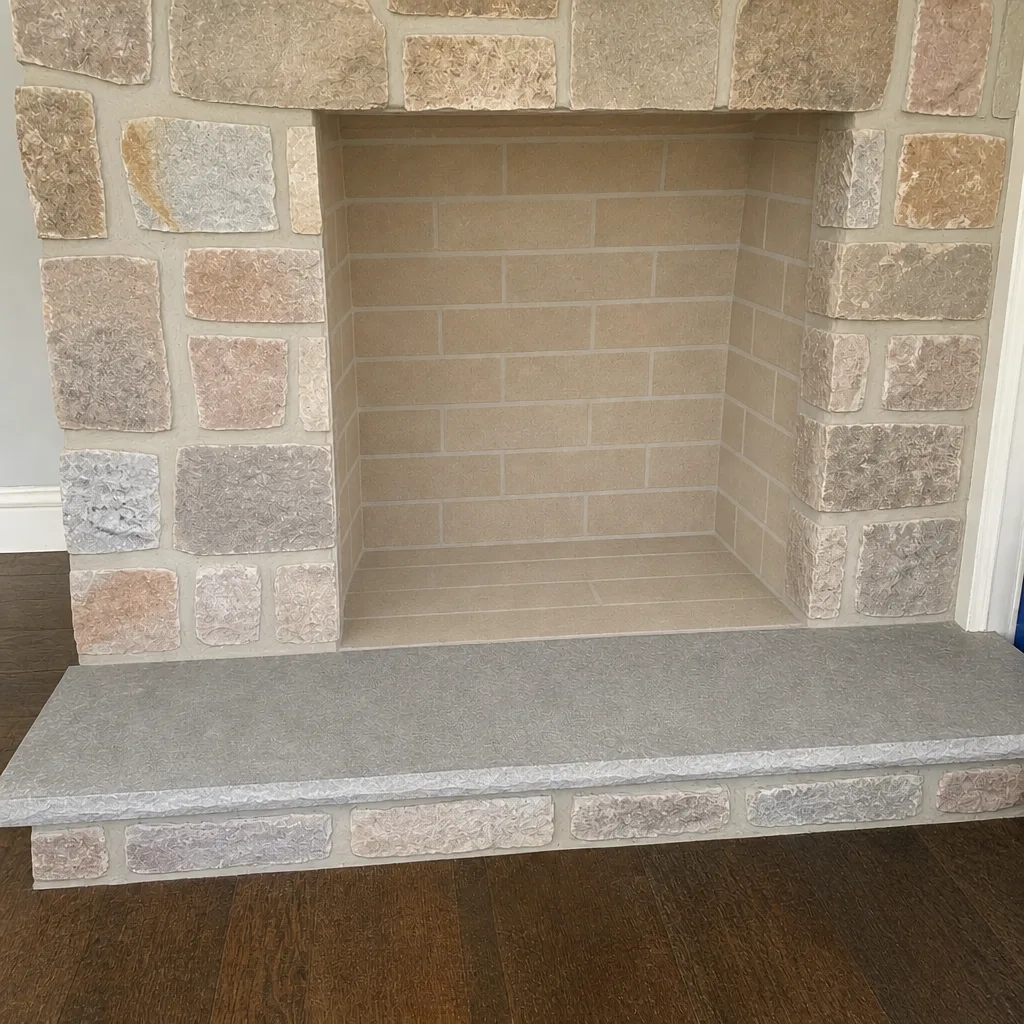
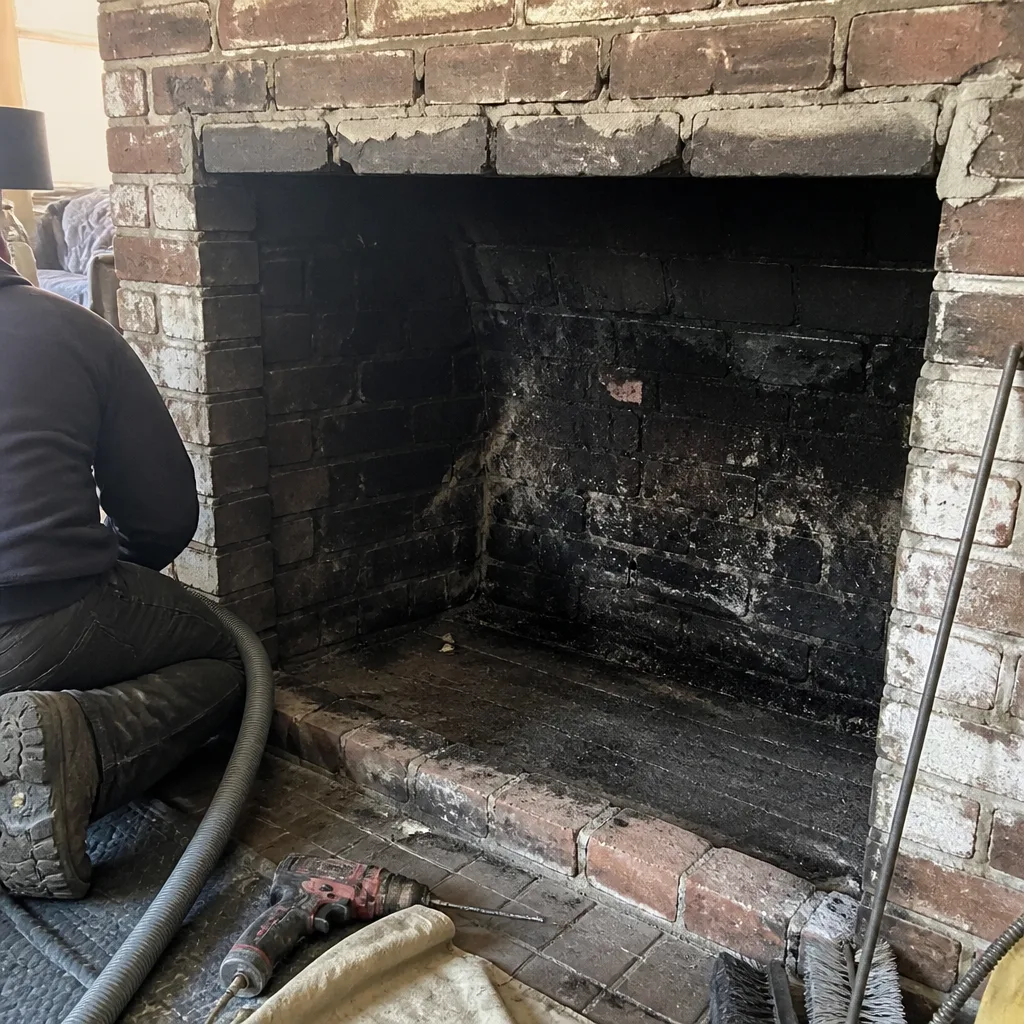
See the difference
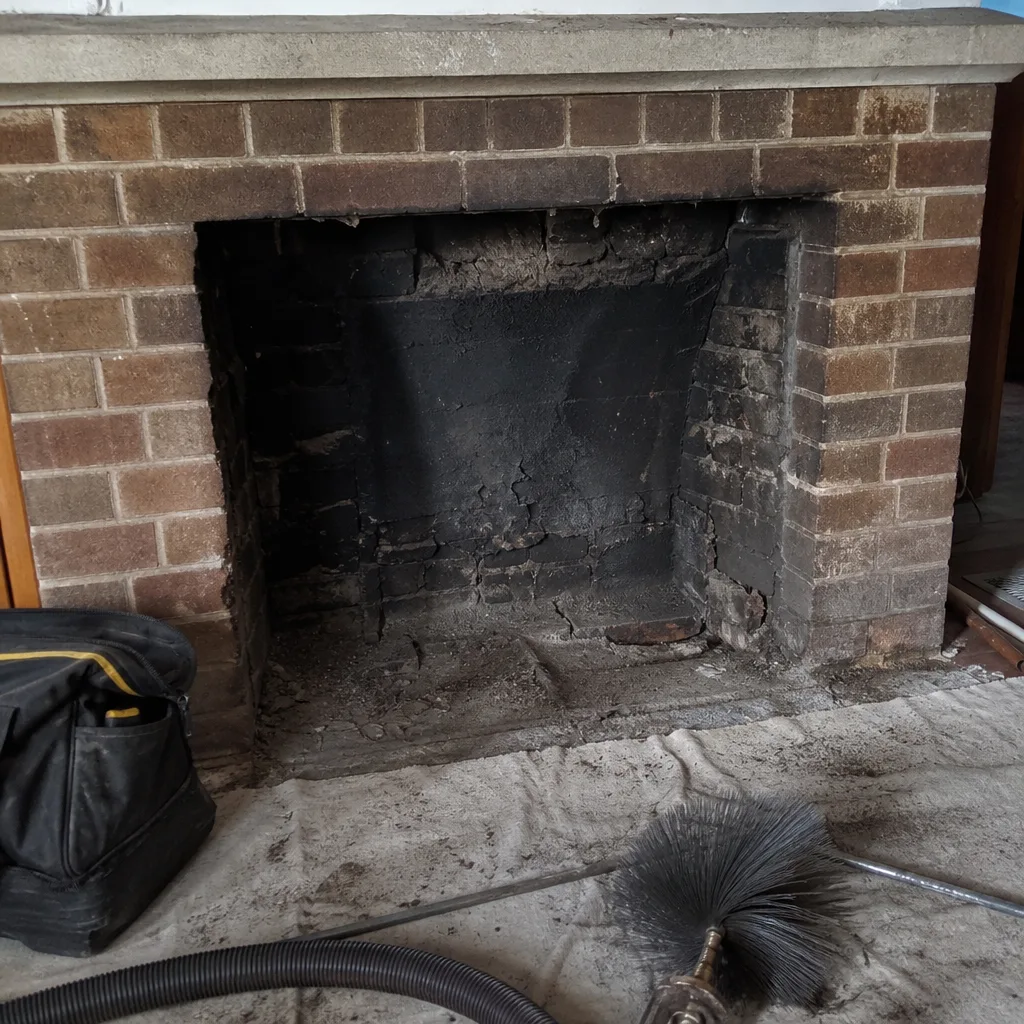 Before
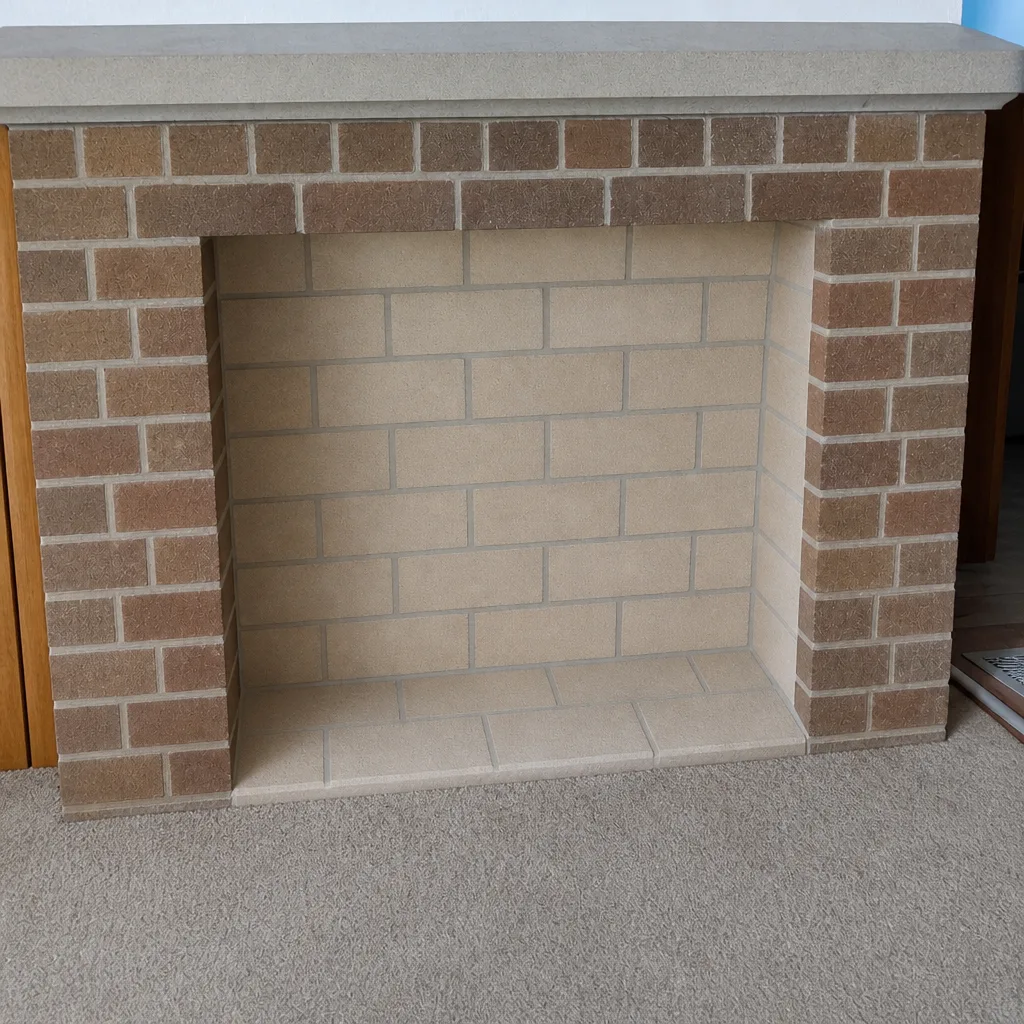 After
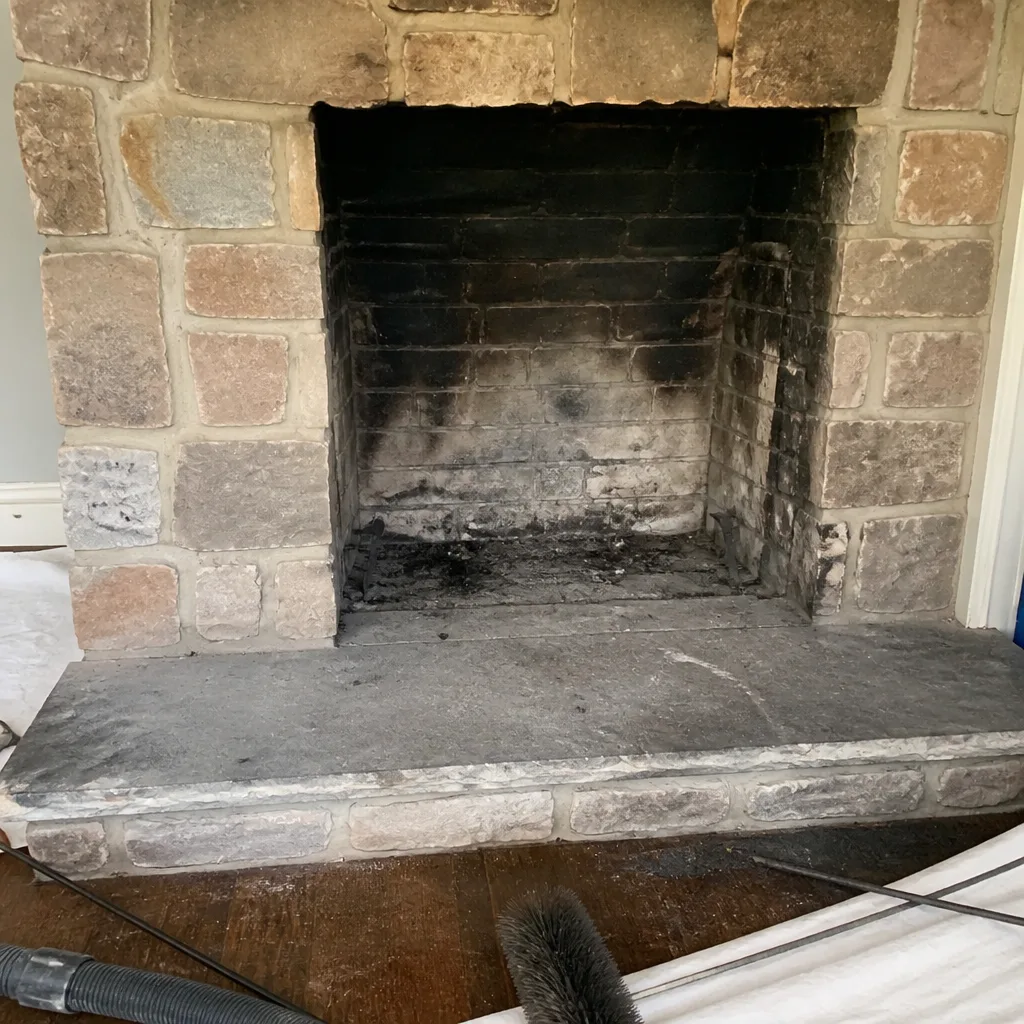 Before
 After
 Before
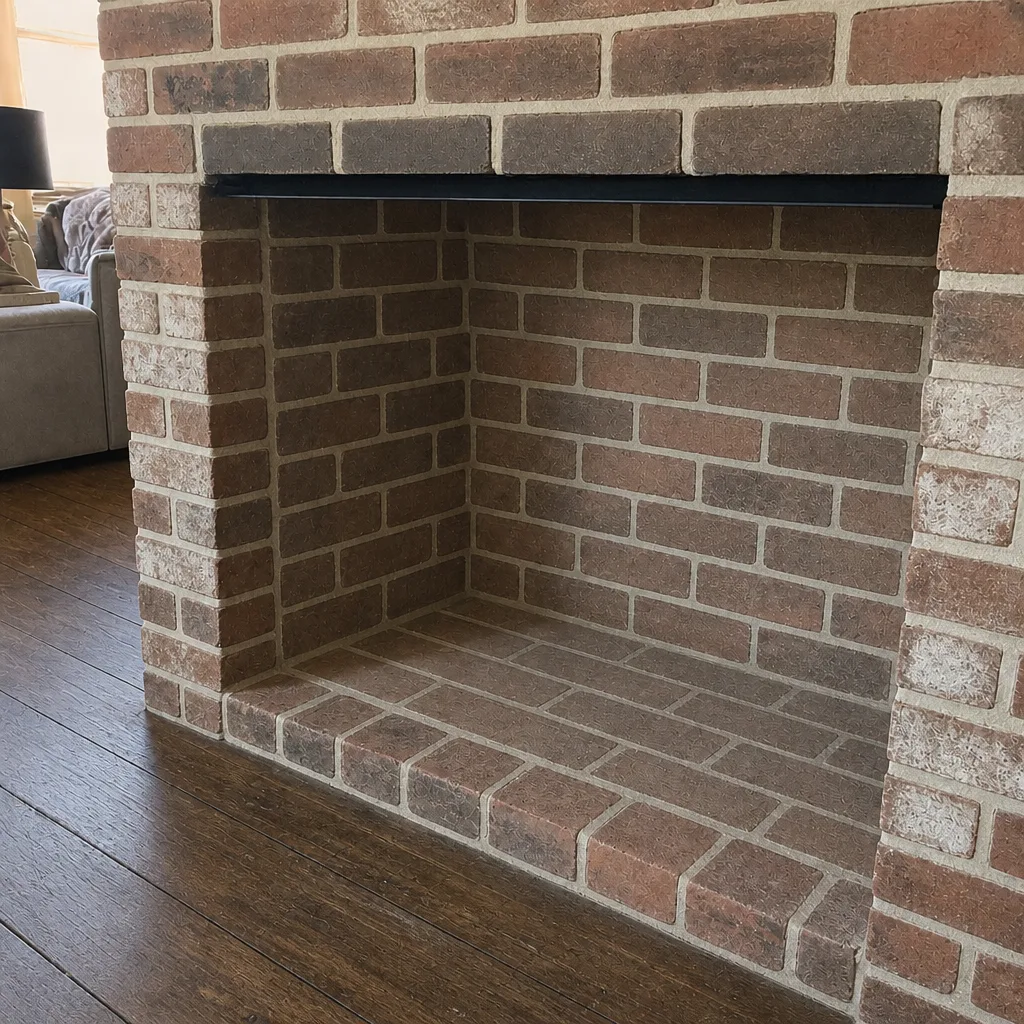 After
When to Call a Professional
Call a professional chimney service if any of these applies: it’s been more than a year since the last cleaning and inspection; you notice smoke backing into the room when you light a fire; you smell a strong creosote odor (particularly on warm days); you see cracked or missing mortar on the exterior of the chimney; you notice black glaze on the flue interior; or your appliance has changed and the flue hasn’t been re-evaluated. A professional can address these safely. A homeowner trying to inspect the interior of their own flue with a flashlight is not getting a real read on flue tile condition. Chimney Sweep Elgin offers free estimates in Elgin – call (877) 382-6902. We answer 24/7. Fast dispatch from 7am to 7pm, Sunday through Friday.
Frequently Asked Questions
A standard chimney cleaning in Elgin typically runs $175 to $350, and a cleaning that includes a Level 2 video inspection runs $250 to $450. Glazed creosote removal, cap replacement, or repair work is quoted separately based on the findings. Every price is set per job by the written estimate, and the estimate is free. Call (877) 382-6902 for an exact quote.
If you don’t have a documented inspection history on the chimney, yes. Level 2 is the baseline after any appliance change, after any chimney fire, and for any chimney without recent documentation. It includes a video scan of the flue interior that catches cracked tiles and gaps a visual check can miss. If you have a recent Level 1 report with no findings, a Level 1 after cleaning is enough. Call (877) 382-6902 and we can tell you which level fits your situation.
Annually for most wood-burning homes, typically before the heating season. Homes using wood as a primary heat source, or chimneys showing glazed creosote or poor draft, may need more frequent cleaning. Elgin’s freeze-thaw cycle also makes annual masonry inspection worth keeping on schedule. Call (877) 382-6902 for a free estimate.
Glazed creosote is third-degree creosote, a hard, shiny, tar-like coating that bonds to the flue tile. Standard brushes won’t remove it. It requires professional chemical treatment followed by mechanical removal, and the process may span multiple visits. Removing it yourself isn’t a safe do-it-yourself job, because the hazard is exactly what the removal is addressing. Call (877) 382-6902 for a free estimate on treatment.
Creosote accumulates whether or not you notice it. In the short term, a blocked or heavily glazed flue reduces draft and can send smoke back into the room. Over time, the risk is a chimney fire from a creosote ignition, plus undetected masonry damage from the freeze-thaw cycle. Skipping a cleaning doesn’t save work, it defers it and usually at a higher cost. Call (877) 382-6902 for a free estimate before the season starts.
You should get a written report with the creosote level, what was swept, any defects found with photos, and recommendations broken into “needs attention” and “monitor.” A receipt alone doesn’t protect you in an insurance claim or a resale disclosure. Ask for the report before you pay. Call (877) 382-6902 for a free estimate.
The Bottom Line
A chimney cleaning in Elgin is a diagnostic sequence, not a brush-and-vacuum errand. The inspection comes first, then the sweep, then the written report that connects what was found to what happens next. Creosote degree, smoke chamber condition, flue tile integrity, and the freeze-thaw damage unique to this climate all need to be part of the visit. If your contractor isn’t documenting each of those, the visit wasn’t complete. If you’ve been hiring out only the brush-and-vacuum portion, this is the year to ask for the full process. We handle the sweep, the inspection, and the repair as a single visit so nothing falls through the handoff between contractors. Read more about how we handle a sweep in Elgin, or if you have any questions about the guide above, call us and we’ll walk you through it. Welcome to Chimney Sweep Elgin.
Call (877) 382-6902 for a free estimate. We answer 24/7. Fast dispatch from 7am to 7pm, Sunday through Friday.
Written by the team at Chimney Sweep Elgin.