
Last updated November 16, 2026
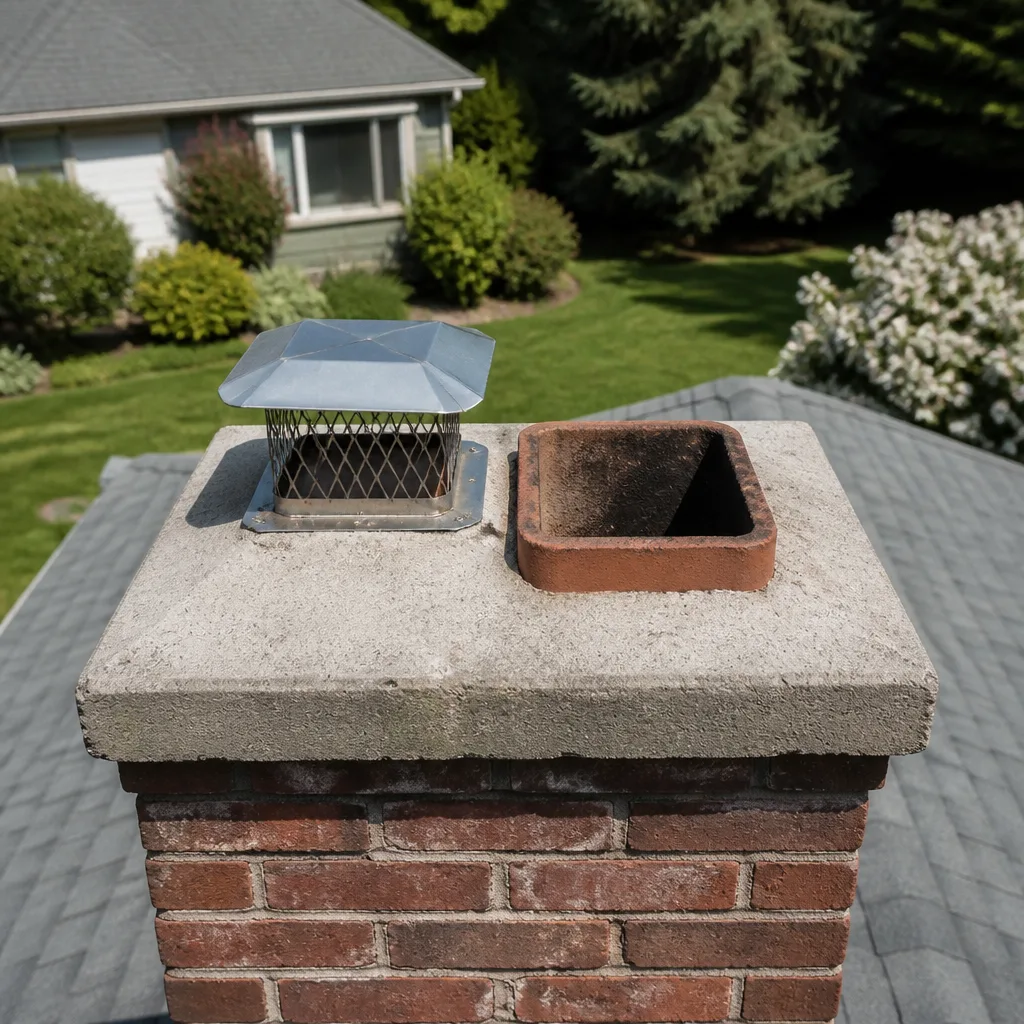 Sweep & inspection
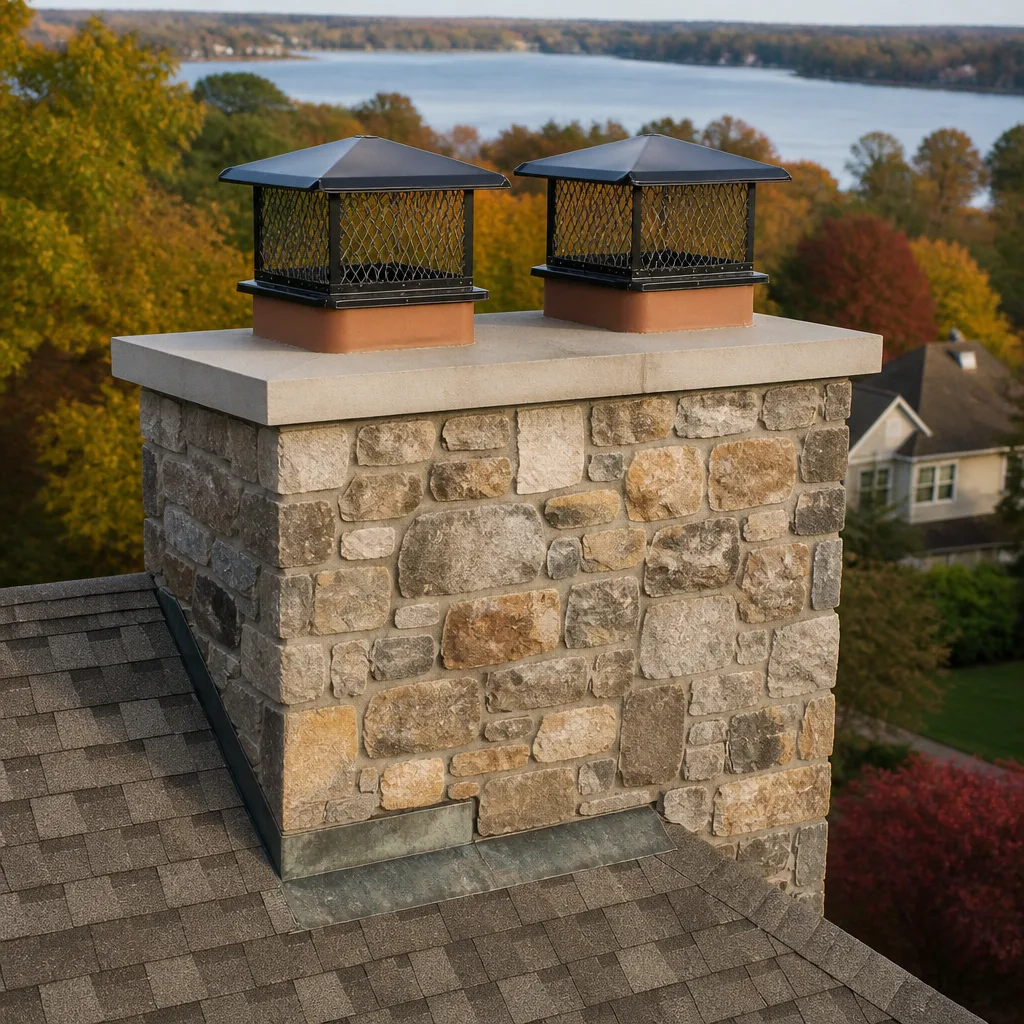 Caps & crowns
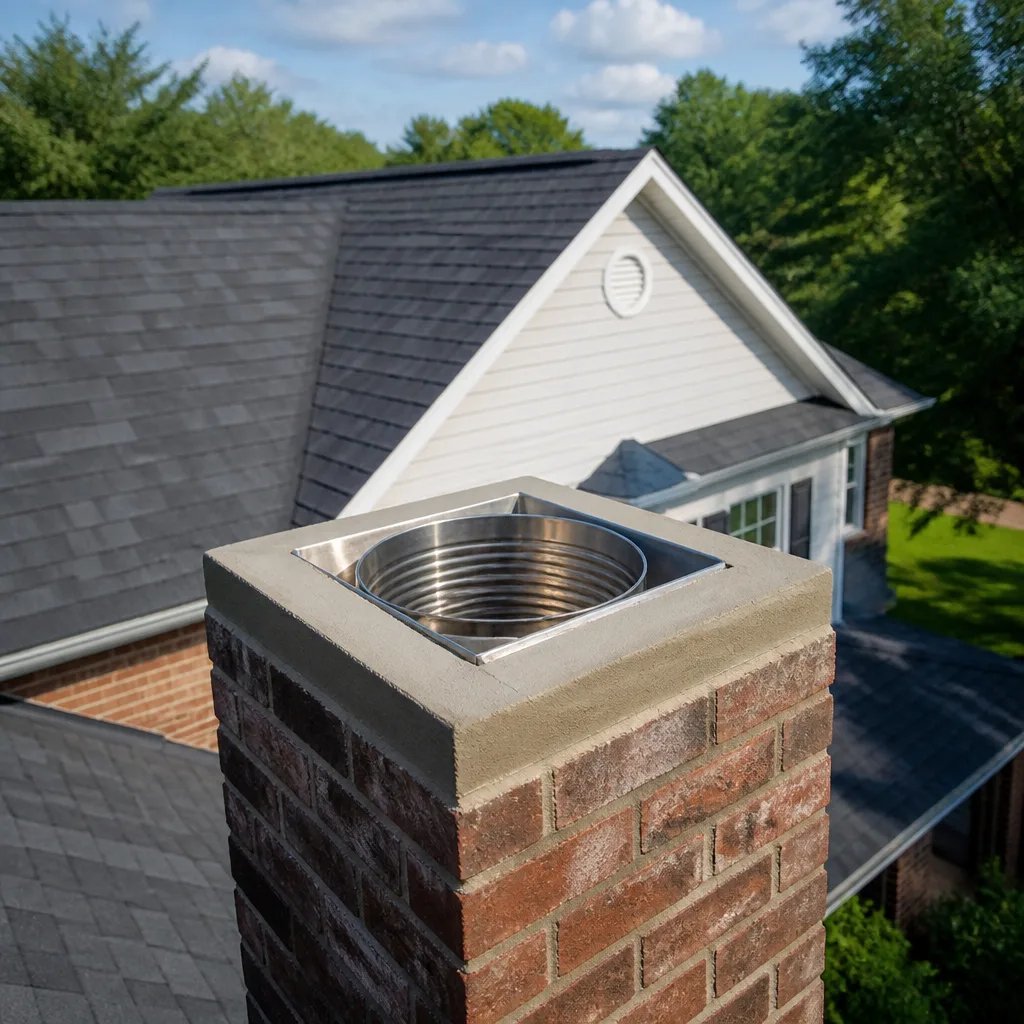 Flue relining
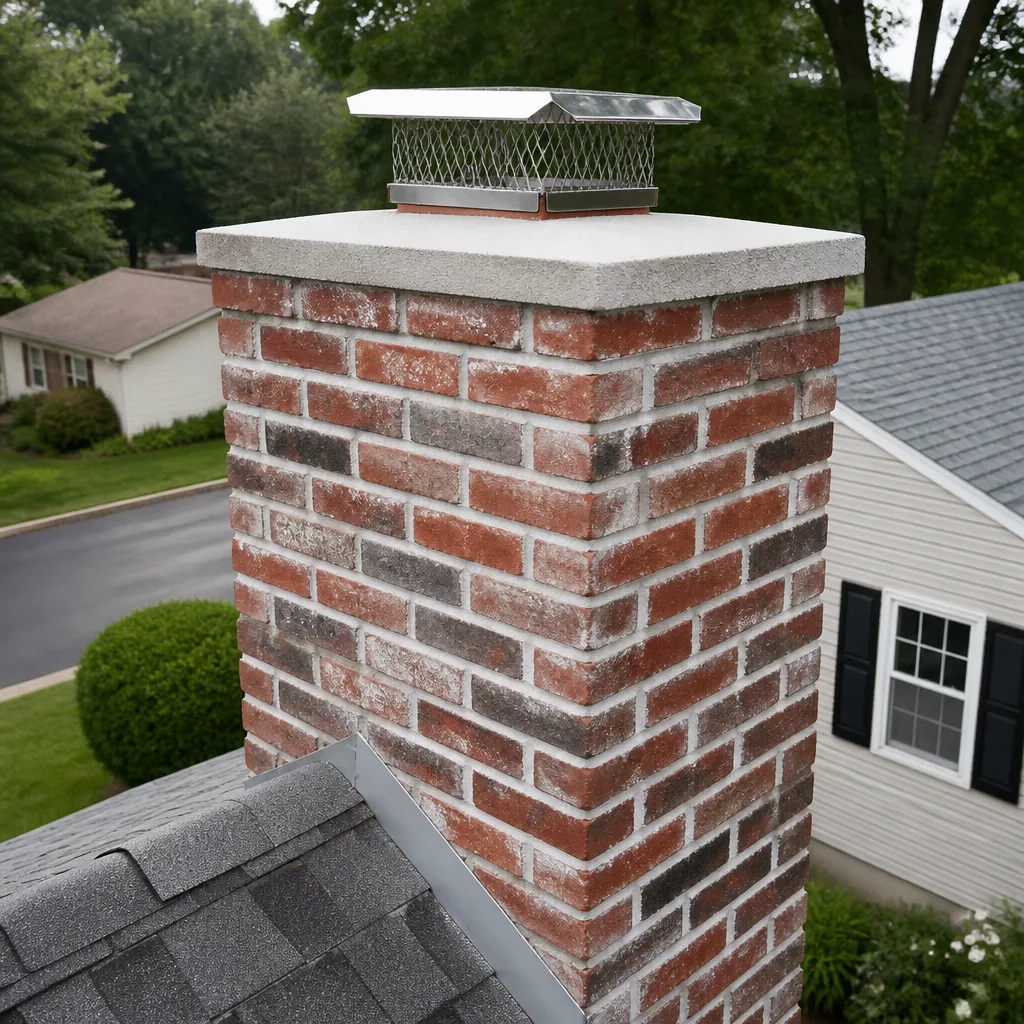 Masonry repair
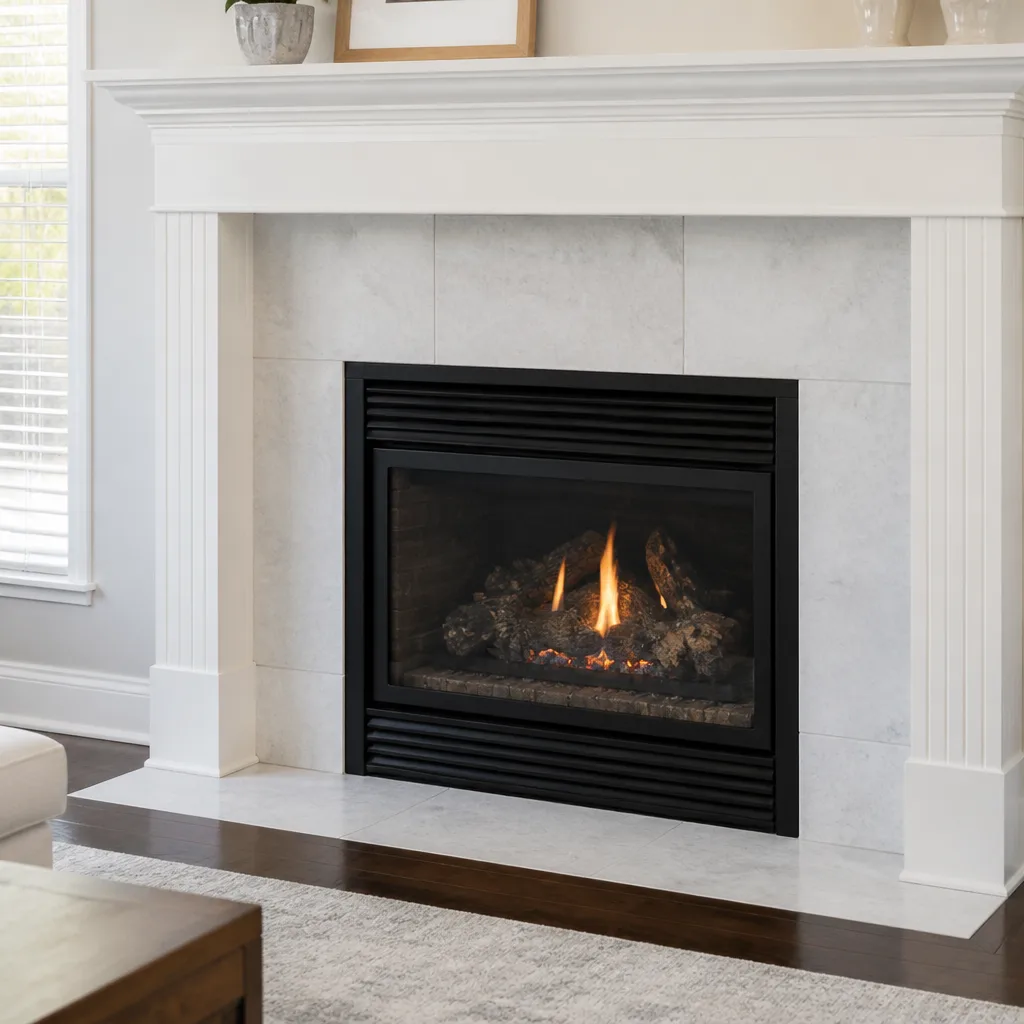 Gas fireplace service
Level 1 sweep and inspection to the NFPA 211 annual standard - flue, crown, cap, and flashing checked and photographed
Chimney sweep logs do not sweep chimneys. They loosen some creosote - which then falls where a brush and vacuum still have to collect it.
Chimney Cleaning Emergency Preparedness Guide for Elgin Homes
A chimney fire is not the moment to figure out what to do. That moment happens months earlier, when the flue is still cold and the next heating season is still ahead of you. Here’s the counterintuitive part: emergency preparedness for a chimney has very little to do with the night of the fire. It’s about knowing, in advance, which failures escalate fast, which ones smolder quietly, and what you’ll actually do for each. This guide walks through the failure modes that matter most in Elgin homes, the exact steps to take if one happens, and what to have documented before the first cold snap. We’ll cover how to recognize an active chimney fire, why carbon monoxide problems split into two very different categories, and why a post-fire chimney cannot be used again until a professional has looked inside it.
Quick Answer
Emergency preparedness for a chimney means three things: a documented pre-season inspection so you know your flue’s condition, a clear action protocol for the three failures that escalate fastest (chimney fire, carbon monoxide spillage or backdraft, and sudden blockage), and correct carbon monoxide detector placement near the fireplace and outside sleeping areas. If you suspect an active chimney fire, close the damper if it’s safe to reach, get everyone outside, and call 911. Do not put water on a masonry chimney fire. After any chimney fire, the chimney must not be used again until a Level 2 inspection with a video scan confirms the liner is intact.
Styles & brands we work with
- Sweep & inspection
- Caps & crowns
- Flue relining
- Masonry repair
- Gas fireplace service
Table of Contents
- Why Chimney Emergencies Start the Season Before
- How to Recognize an Active Chimney Fire
- What to Do in the First Minutes of a Chimney Fire
- Carbon Monoxide: Backdraft vs. Spillage
- Pre-Season Preparation Checklist
- After a Chimney Fire: What the Damage Looks Like
- Sudden Blockage: How to Confirm It Safely
- Common Mistakes to Avoid
- When to Call a Professional
- Frequently Asked Questions
Why Chimney Emergencies Start the Season Before
Most chimney emergencies can be traced back to a decision made weeks or months earlier: the sweep that got put off, the inspection that never happened, the creosote stage that was already at three when the cold weather arrived. Creosote is the tar-like residue that condenses inside a flue as wood smoke cools on its way up. Stage-one creosote is a thin, dusty film that brushes off easily. Stage two is flaky and crusty. Stage three is glazed, dense, and hard, and it’s the fuel that turns a routine fire into something much hotter.
A chimney fire in a flue loaded with stage-three creosote can reach temperatures in the thousands of degrees, which is enough to crack a clay tile liner in a single event. That’s the physical reality behind why preparedness matters. You’re not preparing to fight the fire. You’re preparing so the conditions that make the fire catastrophic never get a chance to build up in the first place.
Here in Elgin, the heating season is long. Once you’re burning consistently through the cold months, creosote accumulates faster than it does for a household that lights a fire a few evenings a year. Many Elgin homes sit in neighborhoods with mature tree canopy, which means windblown debris and the occasional animal visitor added on top of normal soot load. The chimney sweep is the first line of defense, and it’s the step most homeowners delay because nothing feels wrong. That’s the trap. A chimney doesn’t give you many warnings before it’s a problem.
What to take from this section: the record you build before the season matters more than the reaction you’ll have during it. A sweep, an inspection, and a written summary of the flue’s condition give you a baseline. When something unusual happens mid-season, you’re comparing against a known state instead of guessing.
How to Recognize an Active Chimney Fire
The problem with chimney fires is that many don’t look dramatic from the outside. Some announce themselves loudly. Others burn hot and contained, and the homeowner never knows until the next inspection finds cracked tile and warped metal. Knowing both sets of indicators is the whole point of pre-season preparation.
Audible indicators:
- A loud, roaring noise coming from the flue, often described as sounding like a freight train or low rumble
- Pops, cracks, or a rapid tapping sound from inside the chimney
- A low, sustained rumble that doesn’t match the volume of the fire in the firebox
Smell and smoke indicators:
- A hot, acrid, metallic smell that lingers in the room
- Dense smoke rolling back into the living space or puffing from the flue top
- Smoke that’s dark and thick instead of the usual thin plume
Visible indicators from outside:
- Flames or sparks visible surging out of the chimney top
- Creosote flakes or burning embers landing on the roof or in the yard
- Drafting, discolored, or smoking masonry near the stack
- A warped or buzzing metal chimney cap, since metal flexes under heat
A chimney cap is your first visible line of evidence. A cap made by a company like Famco that’s properly fitted will show heat stress if a fire gets going. Loose caps also let animals and debris in, so the cap’s condition does double duty for preparedness. If you look up at your stack and see anything on that list, treat it as an active fire until someone qualified has inspected the flue interior. The Chimney Sweep Elgin team scans flues on-site and documents what’s found with video, so what you suspect doesn’t stay a suspicion.
What to Do in the First Minutes of a Chimney Fire
This is a numbered protocol you can read once now and recall later. The order matters. Memorize the shape of it, not every word.
- Get everyone out of the house. That includes guests and pets. Do this before anything else.
- Call 911. A chimney fire can spread into the attic or framing without visible flames inside the home. The fire department needs to be on the way regardless of how small the fire looks.
- Close the firebox doors and the damper if you can reach them safely. Cutting off the air supply starves the fire of oxygen and can slow its growth. Never reach into a firebox that’s showing heat damage, and never stand directly in front of the flue opening.
- Do not put water on a masonry chimney fire. Pouring water into an overheated flue can cause thermal shock to clay tile or crack a hot liner. Leave extinguishing to the fire department.
- Do not use the chimney again until it’s been inspected. Even a small fire can damage a liner. We’ll detail this in a later section.
For Elgin homeowners, one thing worth knowing ahead of time: older masonry chimneys in the historic neighborhoods around downtown tend to have clay tile liners, while newer construction out toward the west side may have metal liners or prefabricated flue assemblies. The response is the same, but the inspection afterward is different, and knowing which type you have before the season starts saves time if you ever need to call. If you’re not sure, a pre-season inspection will tell you.
What you should never do during this sequence: open the firebox doors to “check on it” once flames are visible in the flue. That feeds oxygen to the fire and can send a burst of smoke and flame into the room. Close it, leave it, and let the professionals handle it.
Carbon Monoxide: Backdraft vs. Spillage
Carbon monoxide from a chimney is not one problem. It’s two, and they call for different responses. This is the distinction competitors miss, and it’s the one that matters most for a preparedness plan.
Spillage is what happens when combustion gases leak into the home from a chimney that’s still functioning but not drafting correctly. Common causes: a partial blockage that reduces draft, a flue that’s the wrong size for the appliance, negative pressure from a tightly sealed house or a large kitchen exhaust fan, or a chimney that’s colder than the outside air. The result is a slow, steady leak of carbon monoxide and other combustion gases into the living space.
Backdraft is more abrupt. It occurs when pressure outside the flue is higher than inside, forcing gases down the chimney and into the home. A sudden whoosh of smoke and odor into the room when the fire is lit or shortly after is the signature. Backdraft can happen after a cold start in a flue that isn’t warmed up, or when wind patterns over the stack reverse the pressure.
The response differs:
- Spillage is usually corrected by fixing the underlying draft or blockage problem, which is often a sweep or repair job. Detectors will alert before you’d notice a smell.
- Backdraft is often a pressure or stack-temperature issue. Reopening the damper and briefly pre-warming the flue with a rolled newspaper usually clears the immediate event, but recurring backdraft needs an inspection to rule out structural causes like a damaged cap or a flue that’s undersized.
For both, the pre-season answer is the same: carbon monoxide detectors in the room with the fireplace, and on every level of the home, and outside sleeping areas just like a smoke alarm. Test the batteries when you schedule the season’s sweep. Detectors are cheap; you want a sensor between the flue and your sleeping family.
In our experience, a good number of Elgin calls that get labeled “chimney smelling” turn out to be a spillage problem where a partially blocked flue can’t push enough draft. The fix is often a straightforward sweep and a look at the cap. Sometimes it’s more involved. That’s why we always chimney repair alongside the sweep work, so the finding and the fix come from the same visit. If we recommend a liner, we’re matching it to what we found, not selling a default package.
Pre-Season Preparation Checklist
What you want on file before the first cold evening, and why it changes the game if something goes wrong.
- A current inspection report. It doesn’t need to be elaborate, but it should document the flue’s condition, the liner type, and whether the cap, damper, and firebox are intact. This is your baseline for the entire season.
- A written or digital note of which chimney professional you’d call. Keep a name and number saved. Asking around during a chimney fire is the wrong time to find a contractor.
- Carbon monoxide detectors tested and placed correctly. One in the fireplace room, one outside each sleeping area, one on the hall ceiling outside bedrooms. Follow the manufacturer’s guidance for placement.
- A chimney cap that’s properly seated. A cap made by Gelco or Famco keeps animals out and deflects wind, and a well-seated cap is easier to inspect from the ground.
- Firewood quality assessed. Seasoned, dry wood burns cleaner and builds creosote more slowly than green wood. If you’ve been burning wet wood, that’s a factor in the next sweep’s findings.
- Know your flue’s liner type. Clay tile, stainless steel, or prefabricated assembly. It determines what happens if the flue is damaged.
One Elgin-specific wrinkle worth noting: the freeze-thaw cycle through Illinois winters works on masonry. Small cracks in the crown or the exterior stack widen as water gets in and freezes. That’s not an emergency on its own, but it does mean the pre-season inspection is also your chance to catch those cracks before they open up into a leak or a carbon monoxide pathway. Repair materials like HeatShield, a professional-grade liner restoration system, are built for exactly this kind of fixing without always requiring a full reline.
If you’d rather have someone else handle the checklist, that’s fine. A standard Elgin season sweep includes an inspection, and our technicians come with up to 11 years of experience reading what’s inside a flue. The report from that visit is the document the rest of this checklist is built around.
After a Chimney Fire: What the Damage Looks Like
A single chimney fire can do more damage than weeks of normal burning, and much of it is invisible from the firebox. That’s why the rule is hard and non-negotiable: a chimney that’s had a fire is not safe to use again until a Level 2 inspection with a video scan confirms the flue is intact. This is true even if the fire seemed brief. This is true even if you don’t smell or see anything wrong afterward.
What typically gets damaged in a fire:
- Clay tile liners crack, spall, or shift at the joints. A hairline crack is enough to let combustion gases and heat reach surrounding framing.
- Metal liners like a DuraFlex or Olympia Chimney system can warp, separate at a seam, or lose the structural integrity that keeps the flue gas tight. The lining is what protects the surrounding structure, so a compromised metal liner is a serious problem.
- The chimney crown and masonry can crack under thermal shock, especially if water was used on the fire. Cracks in the crown invite water in, which starts a second problem after the fire.
- The flashing at the roof can separate from heat expansion, which is why we check the roofline after a post-fire inspection, not just the flue.
A Level 2 inspection with video scan shows exactly what state the liner is in. From there, the repair path branches. If the liner is intact, cleanup and a follow-up sweep may be enough. If it’s not, options include HeatShield restoration, which can repair certain liner defects without a full replacement, or a full reline with a flexible stainless system like DuraFlex or Olympia Chimney. Material choice depends on what the scan shows, not a default.
The reason this matters for Elgin homes specifically: the local housing stock includes a lot of older masonry chimneys with clay tile liners that are already at or past their expected service life. A fire that would leave a newer metal liner serviceable can be the event that cracks tile that was already near the end. Our full-service scope matters here: the same company that inspected and found the damage handles the repair, using materials you can look up. Copperfield products on a liner job are traceable, not anonymous hardware-store substitutes.
One more critical point: after a suspected chimney fire, do not run a “test fire” to see if things are fine. A test fire in a damaged flue can push carbon monoxide into the home or start a second fire in the framing. Wait for the video scan before anything goes back in the firebox.
Sudden Blockage: How to Confirm It Safely
A sudden blockage shows up as smoke that won’t go up the flue, a fire that struggles to draw, or visible debris in the firebox. It can happen mid-season and it’s the third fast-escalating failure. The main causes in Elgin homes:
- Animal intrusion. Birds, squirrels, and raccoons nest inside flues, especially uncapped ones. Nesting material is both a blockage and a fire hazard.
- Debris fall. Deteriorating mortar, spalling brick, or a dislodged cap piece drops into the flue.
- Collapsed liner section. Less common but the most serious, since it can block the flue and expose the surrounding structure.
- Creosote fall. A heavy layer of glazed creosote can detach in chunks and block the flue.
What to check, safely: shine a flashlight up from the firebox with the damper open and see whether you can see daylight at the top. If you can’t, that’s an indicator, not a diagnosis. Then listen: a fire that’s hissing or roaring from the flue throat while the room fills with smoke is an active sign. Get out and call for help. Don’t reach in.
What not to do: do not try to clear a blockage from the rooftop with a pole or chain, and do not push anything down the flue from the top. You can’t see what you’re dislodging, and a dropped mass of creosote or brick can send burning material into the firebox. And never try to run the fire to “burn through” a blockage. This is where a professional matters. A camera inspection confirms the blockage and its type before any attempt to clear it, and our technicians come with the right tools to do it safely.
Common Mistakes to Avoid
- Skipping the pre-season sweep because the fire was fine last year. Creosote accumulates whether you notice it or not, and the flue that ran fine in January can be at stage three by November. Elgin’s long burn season doesn’t give you the luxury of assuming.
- Assuming a small chimney fire is no big deal. Many fires are contained and self-extinguishing, and the damage can still be there. The video scan is what tells you have a safe chimney.
- Putting water on a masonry chimney fire. Thermal shock can crack hot tile in a single pour. Let the fire department handle extinguishing.
- Placing the carbon monoxide detector only near the fireplace. You need one near sleeping areas too, because a detector is at its most useful when no one is awake to smell smoke.
- Ignoring the cap. An uncapped flue invites nesting animals, wind-driven rain, and debris. A properly fitted Gelco or Famco cap is one of the lowest-cost safeguards there is.
- Testing the chimney with a fire after a suspected problem. A single test fire in a flue that’s cracked or blocked can push carbon monoxide into the home. Wait for the inspection.
- Calling a general handyman for a chimney problem. Chimney work runs on tools and materials specific to the trade. A masonry contractor without chimney-specific gear can’t complete a video scan or match the right liner material.
When to Call a Professional
Call immediately after any suspected chimney fire, after backdraft that recurs more than once, when a fire won’t draw, if you see smoke coming back into the room, or if you smell gas or combustion odor during a fire and can’t find the source. Also call before the season if any of these apply to your Elgin home: no sweep in the last year of regular burning, no inspection on file, an uncapped chimney, or an older home where you don’t know the liner’s condition. A chimney professional should also inspect after a sudden blockage, after an animal gets in, or after any visible damage to the cap or crown.
Chimney Sweep Elgin offers free estimates in Elgin. Call (877) 382-6902. We answer 24/7, with fast dispatch from 7am to 7pm, Sunday through Friday.
Frequently Asked Questions
Most wood-burning chimneys used regularly should be swept once a year, and more often if you burn heavily or notice buildup. Elgin homes that rely on wood as a meaningful heat source tend to accumulate creosote faster than occasional-fire homes, so once a season, before the first cold snap, is the practical baseline. Call (877) 382-6902 to book a sweep.
An active chimney fire typically shows a roaring or rumbling sound from the flue, a heavy metallic smell, dense smoke, and possibly sparks or flames from the top. A normal fire should draw quietly with a clear plume from the stack. If the firebox is hot and the sound isn’t coming from the fire itself, treat it as a chimney fire. Call 911 and get everyone outside.
Not always. A Level 2 inspection with a video scan is what determines it. If the liner is intact, cleanup may be all you need. If the liner is compromised, options range from HeatShield restoration to a full reline with DuraFlex or Olympia Chimney. The right call depends on the scan, so we look before we recommend. Call (877) 382-6902 to schedule an inspection.
The most common causes are blockage reducing draft, negative pressure from a tight house or large exhaust fan, and a flue that isn’t drafting properly. Elgin’s older neighborhoods with clay-tile liners are prone to spillage when the flue is undersized for the appliance or partially blocked. Both warrant an inspection rather than a workaround. Call (877) 382-6902 to get it checked.
Smoke rolling back into the room, a fire that won’t draw, a burning smell at the flue throat, or visible debris in the firebox are the main indicators. A flashlight up the open flue, checking for daylight at the top, is a safe first check. If there’s no daylight or the fire misbehaves, stop using the chimney and call (877) 382-6902.
A recent inspection report, a saved contact for a chimney professional, tested carbon monoxide detectors in the fireplace room and outside sleeping areas, and a properly seated chimney cap. An Elgin season sweep covers the inspection and the cap check at the same visit. Call (877) 382-6902 for a free estimate.
The Bottom Line
Chimney emergency preparedness is less about what you do on the night and more about what you’ve set up before the first burn. Get a sweep and an inspection on file. Know your liner type. Put carbon monoxide detectors in the right places. Learn to recognize an active fire by sound, smell, and sight. Don’t put water on a masonry chimney fire, don’t test a flue after something’s gone wrong, and don’t use a chimney after a fire until a video scan says it’s safe. Those steps cost less than any failed flue, and they’re the reason a small problem stays small. If you’d rather have someone handle all of it in one place, that’s what we do.
Call Chimney Sweep Elgin at (877) 382-6902 for a free estimate. We answer 24/7, with fast dispatch from 7am to 7pm, Sunday through Friday. Our technicians have up to 11 years of experience, and we work with professional chimney brands you can look up: DuraFlex, HeatShield, Gelco, Olympia Chimney, Famco, and Copperfield.
Written by the team at Chimney Sweep Elgin.
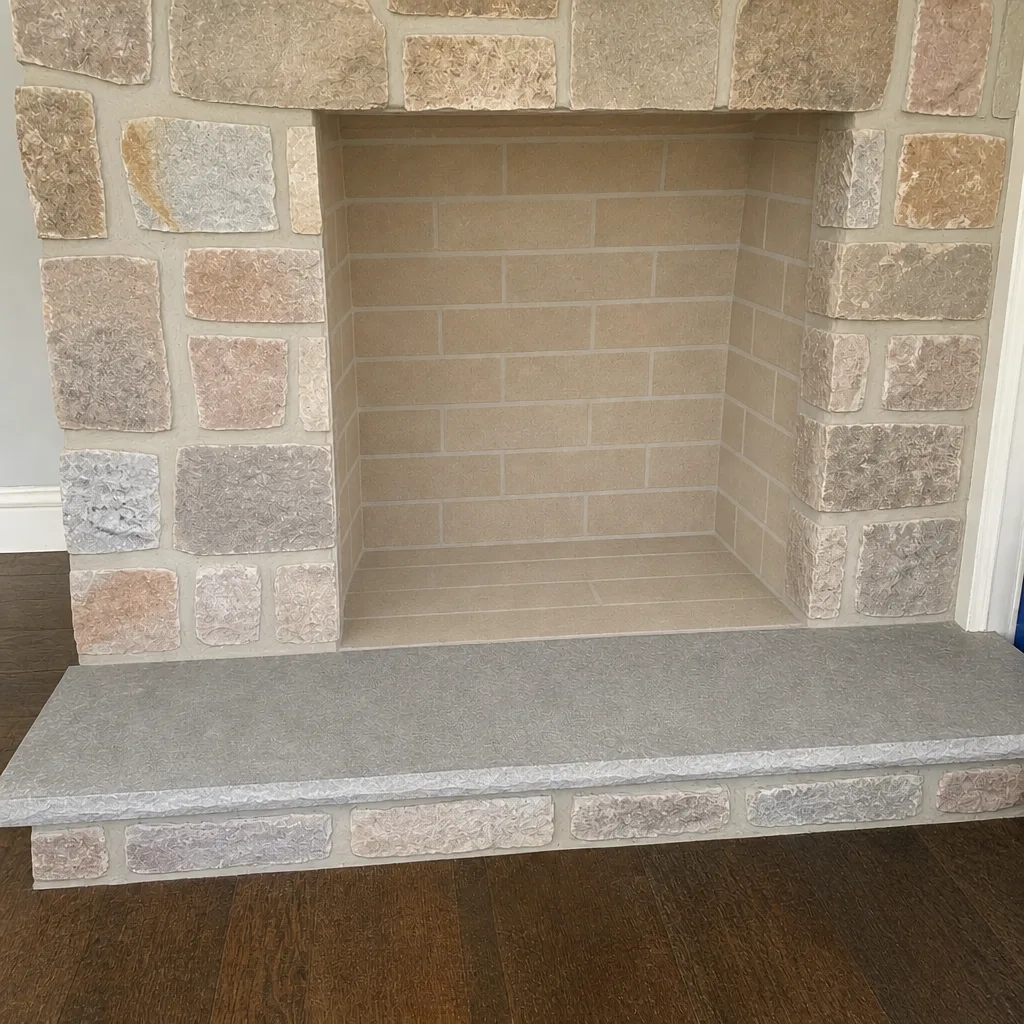
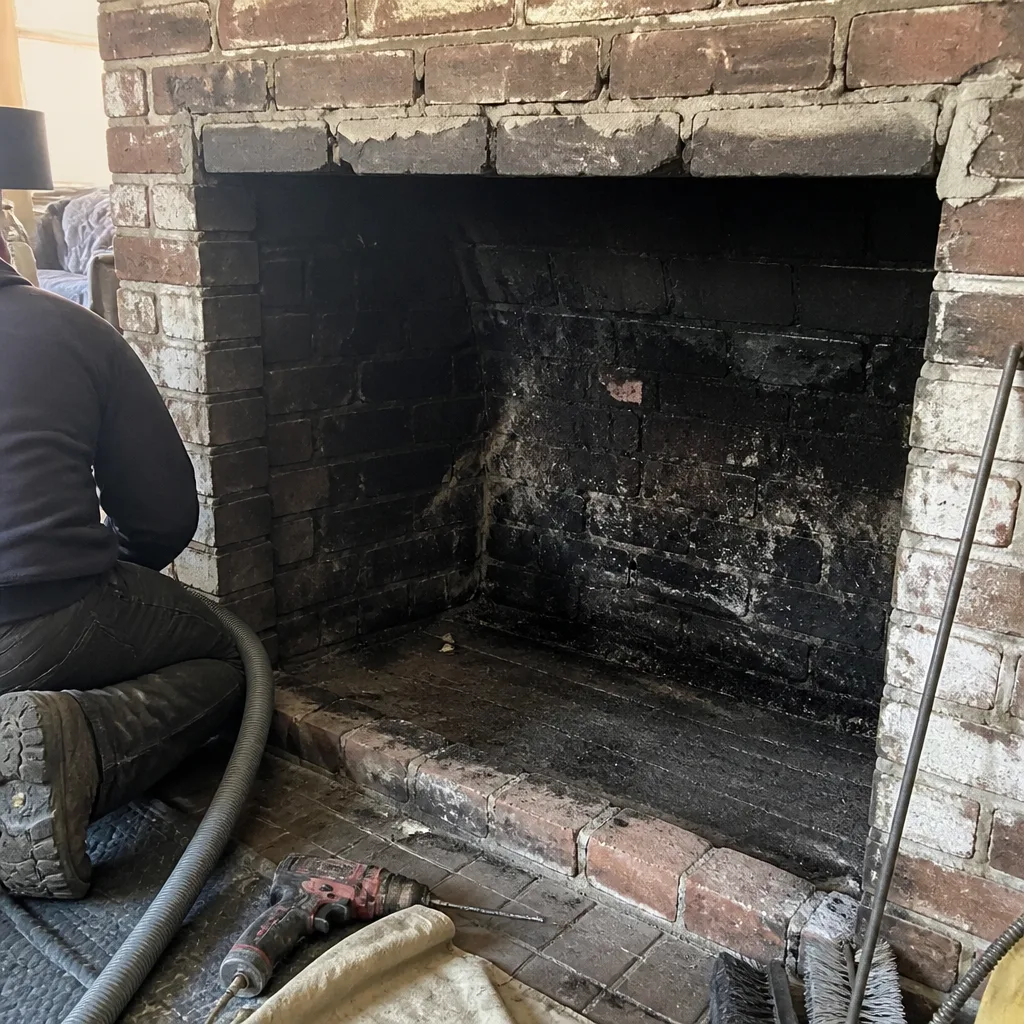
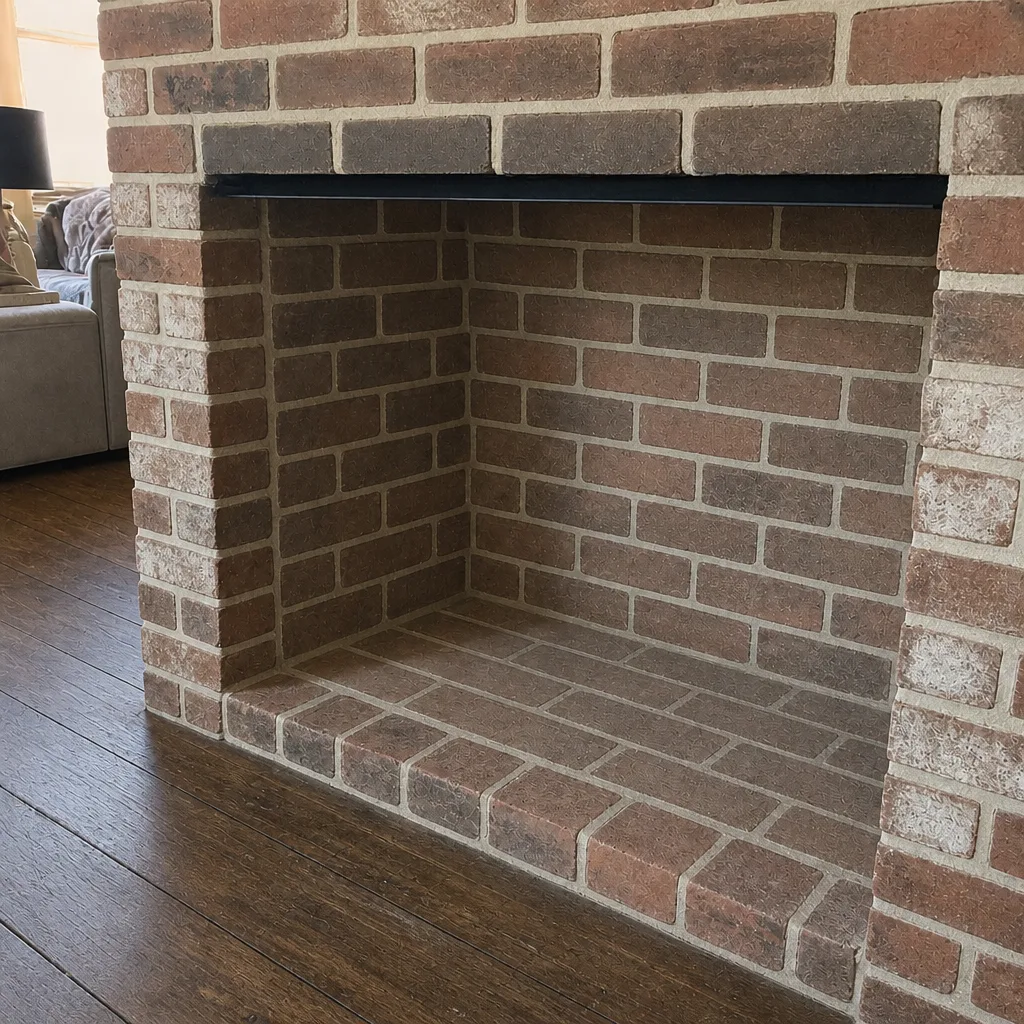
See the difference
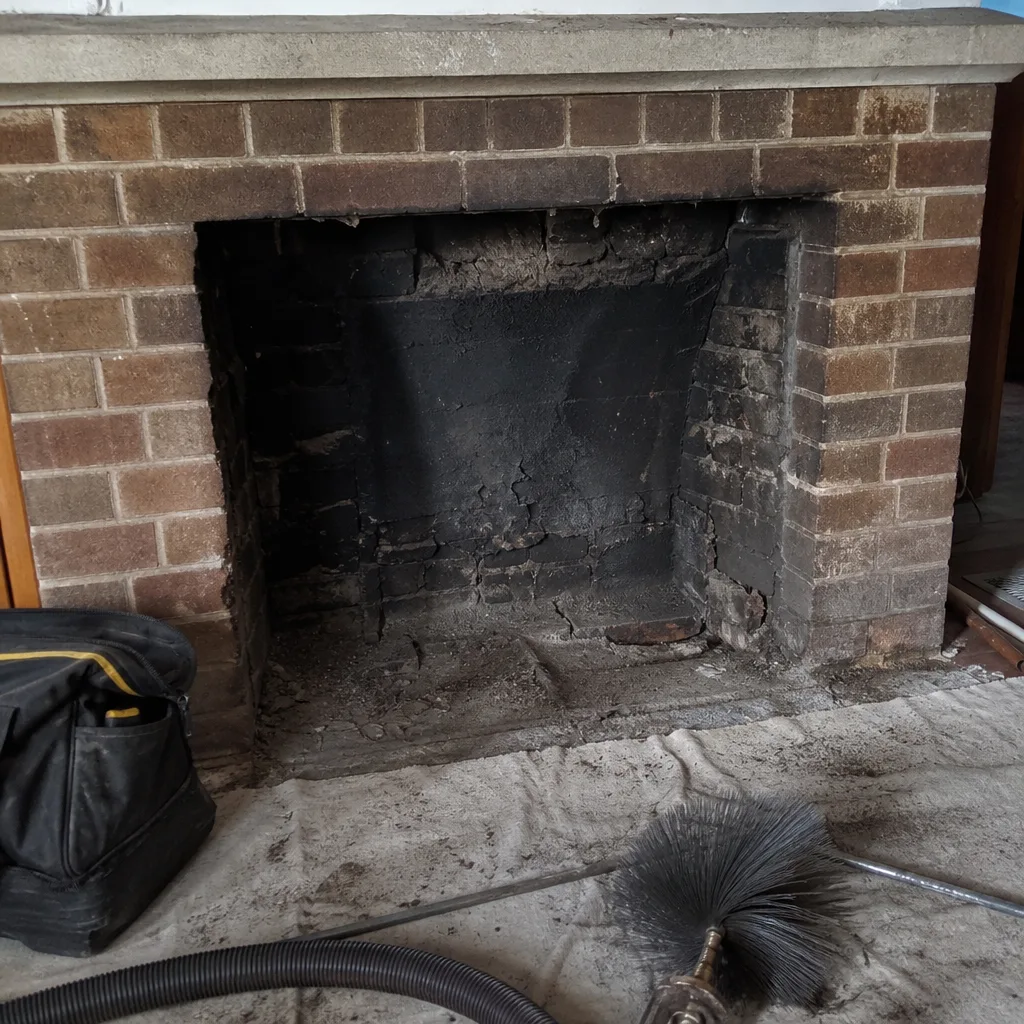 Before
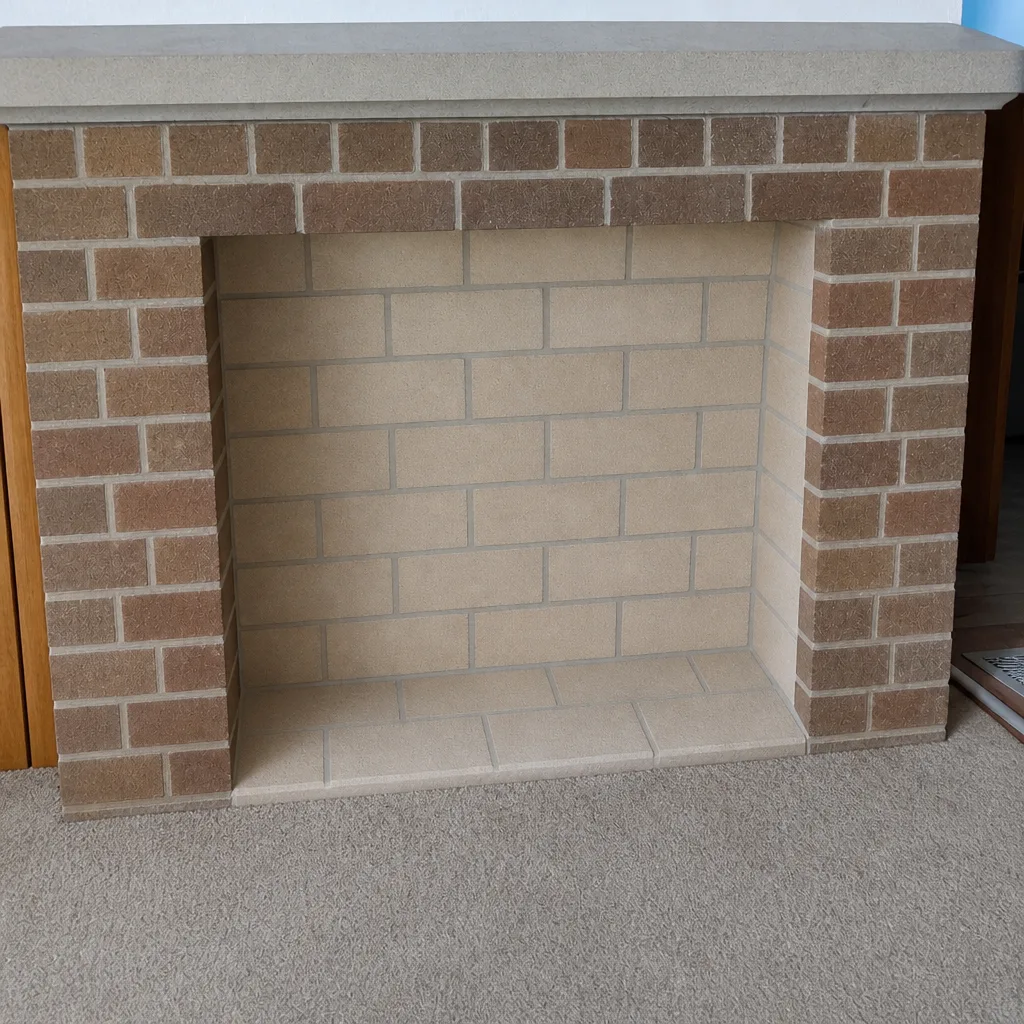 After
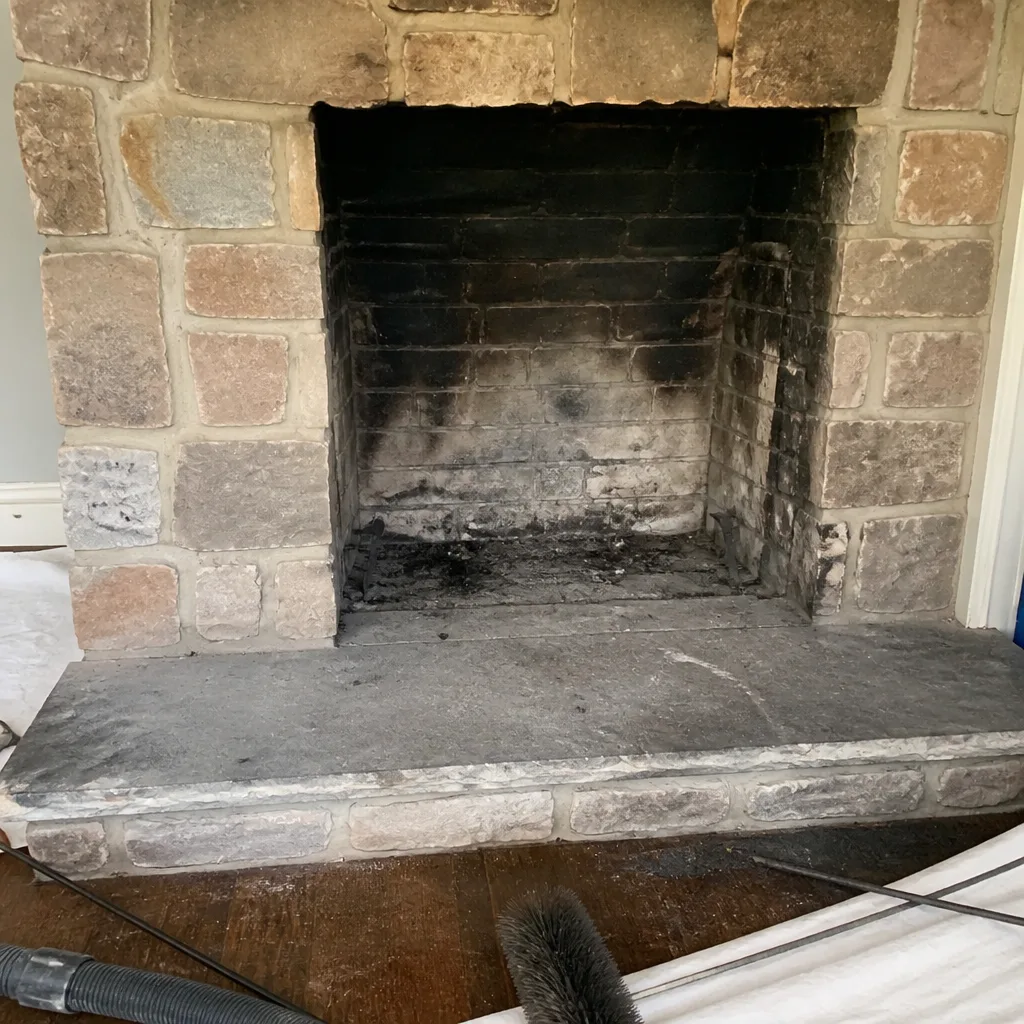 Before
 After
 Before
 After