
Last updated November 16, 2026
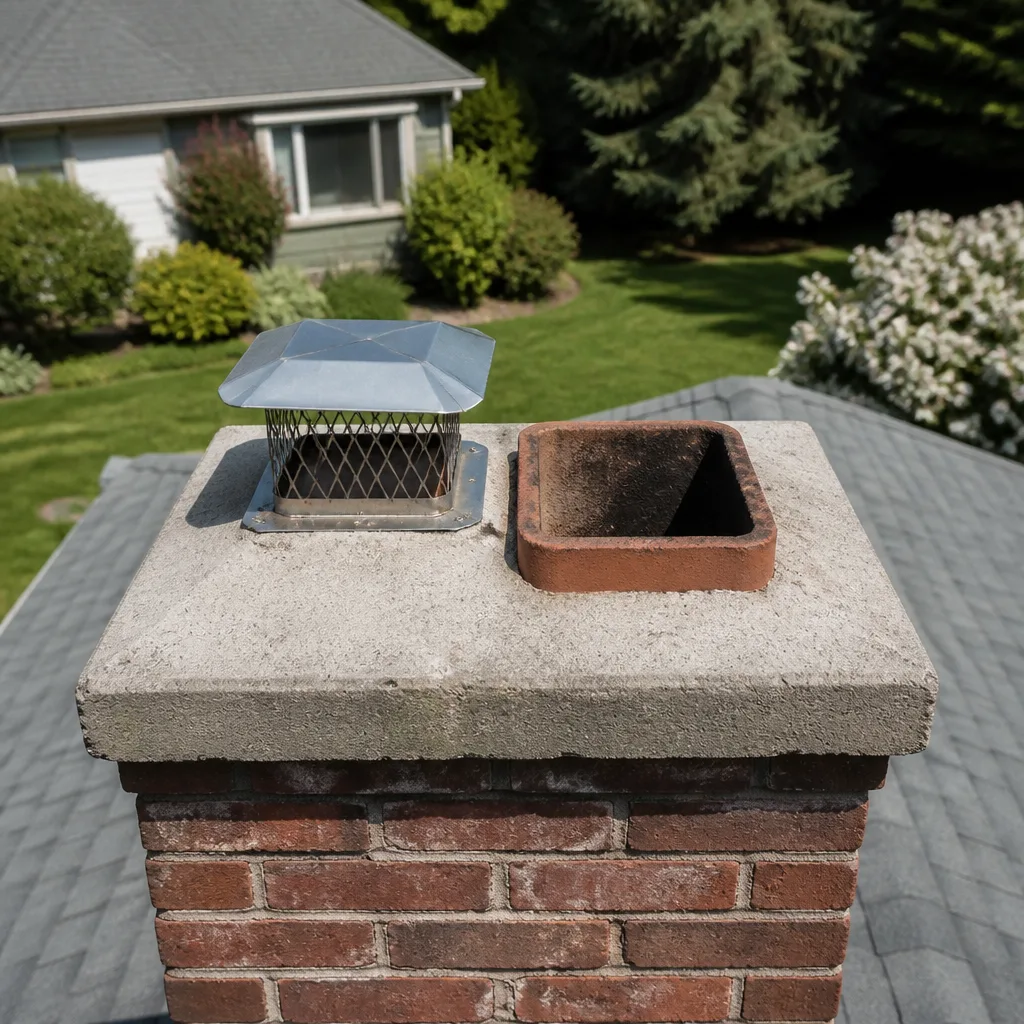 Sweep & inspection
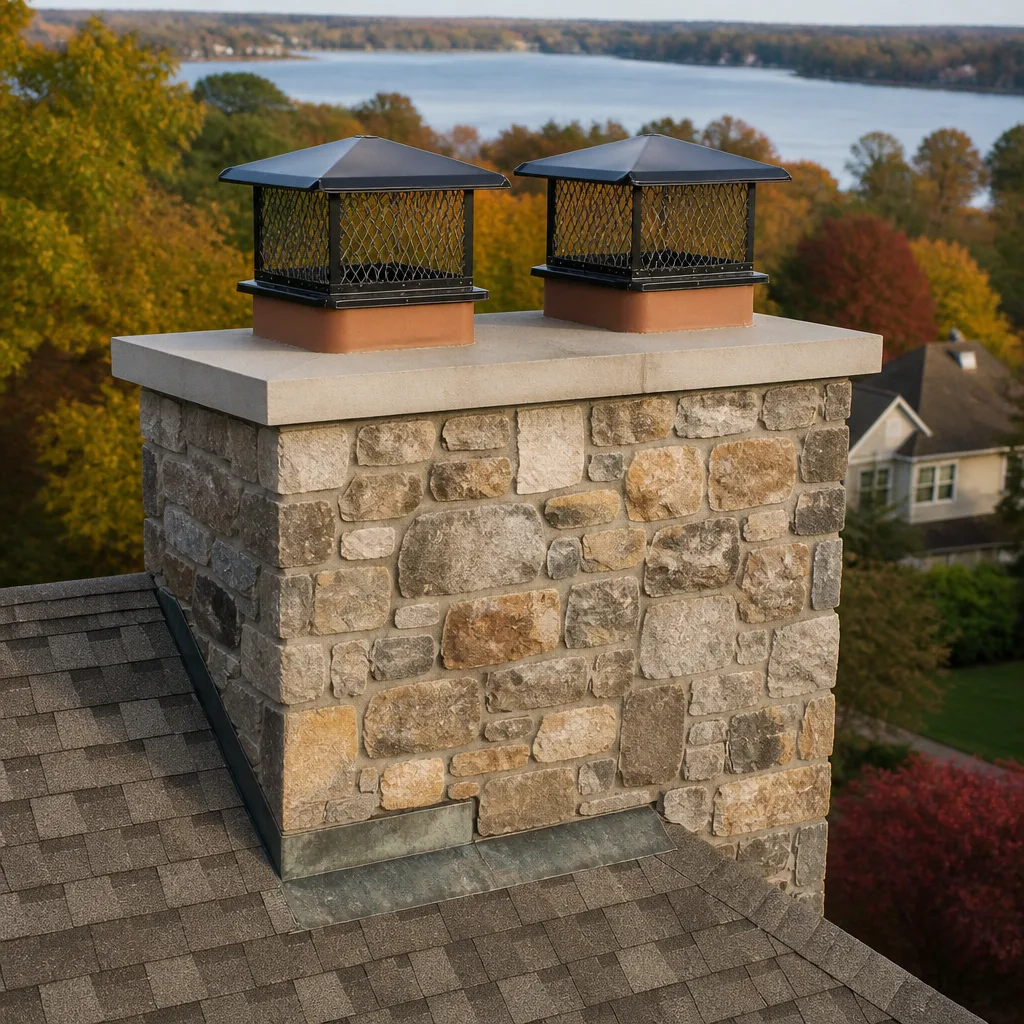 Caps & crowns
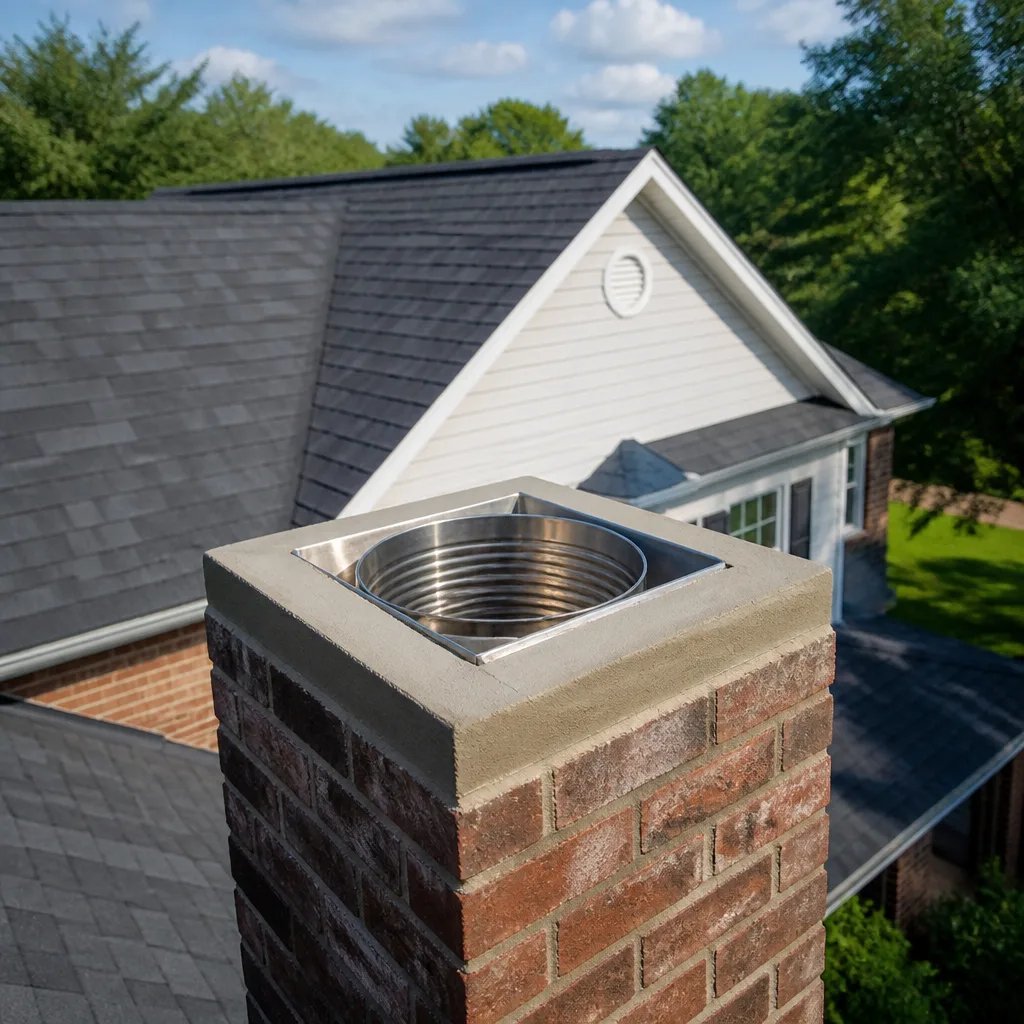 Flue relining
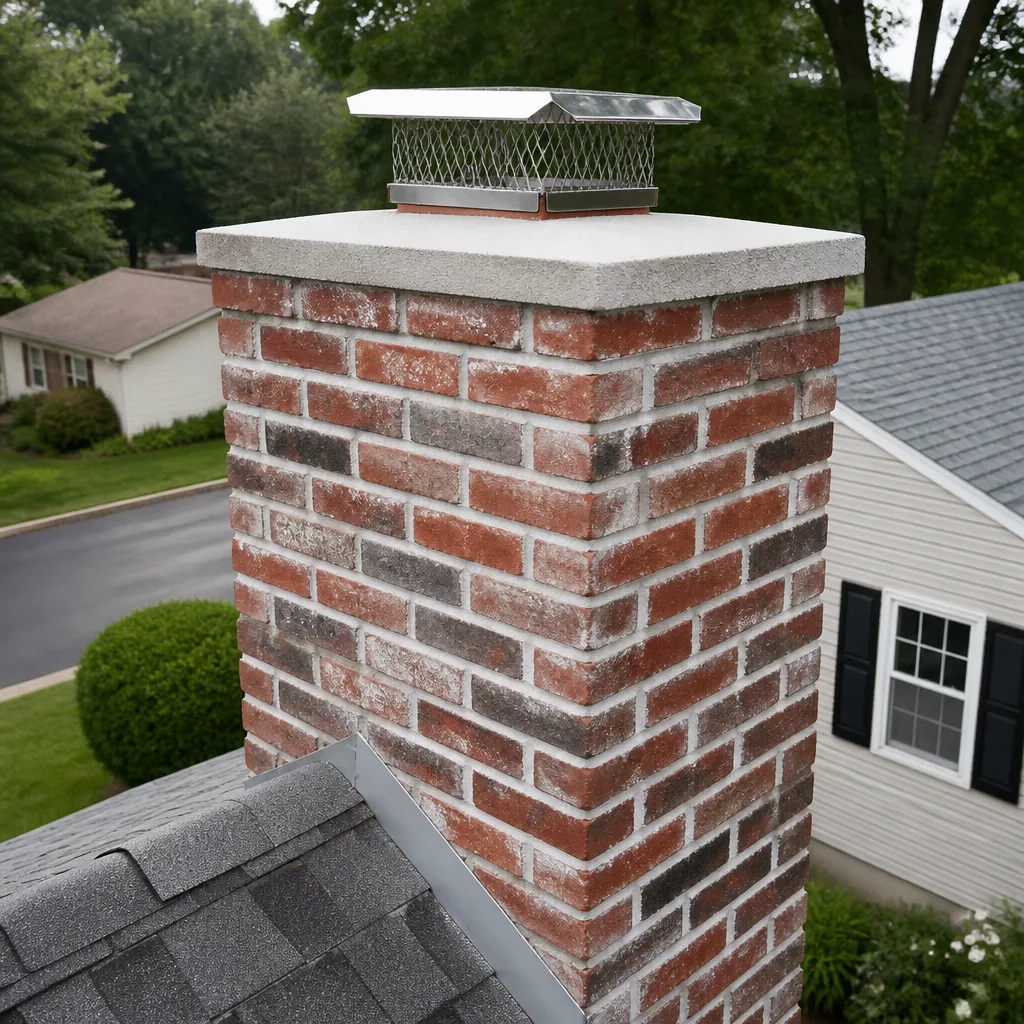 Masonry repair
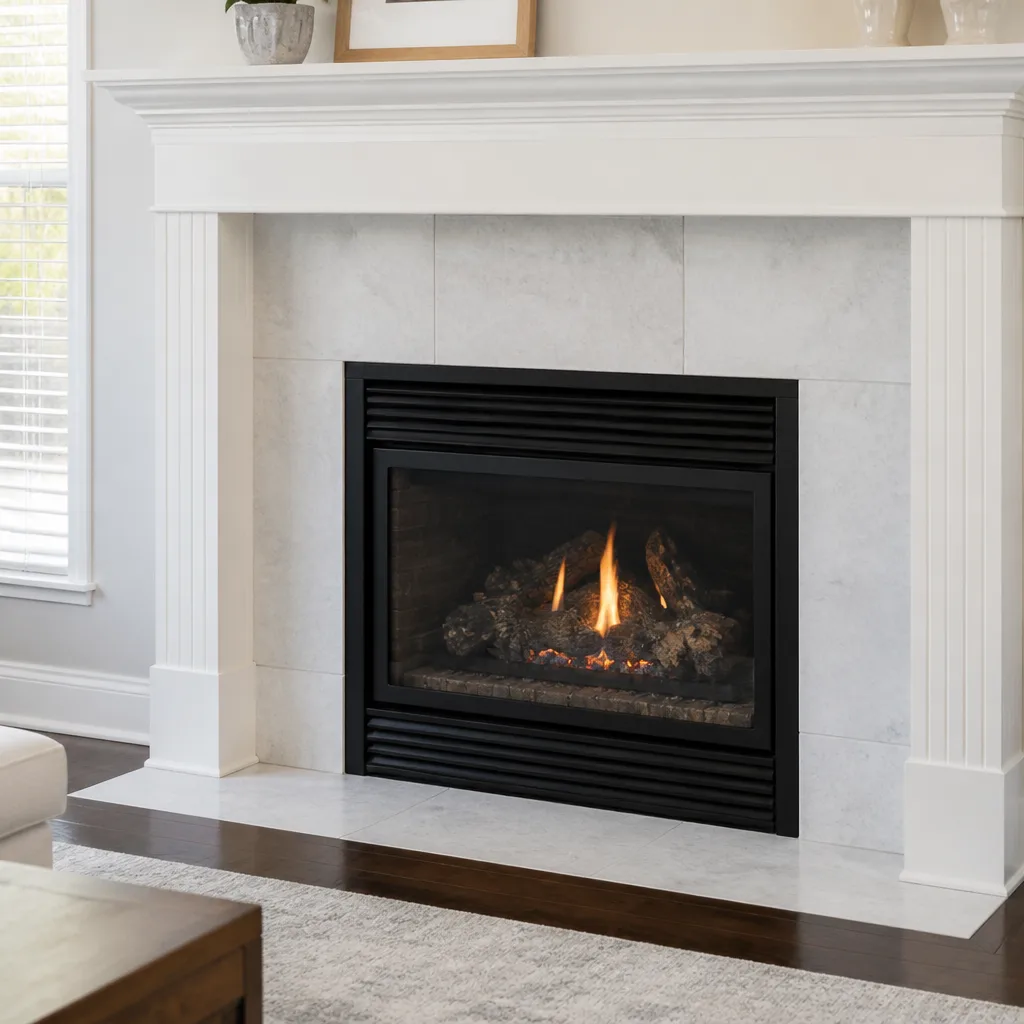 Gas fireplace service
Level 1 sweep and inspection to the NFPA 211 annual standard - flue, crown, cap, and flashing checked and photographed
Chimney sweep logs do not sweep chimneys. They loosen some creosote - which then falls where a brush and vacuum still have to collect it.
How to Hire a Chimney Cleaning Contractor in Elgin: A Step-by-Step Guide
Illinois does not require a chimney sweep to hold a state license. That single fact changes how you should shop for one. Any handyman with a brush and a ladder can legally market chimney cleaning services in Elgin, print “certified” on a business card, and knock on your door. The only thing separating a credentialed technician from an unqualified one is what you ask before you write a check. This guide gives you a verifiable vetting framework: how to check CSIA credentials in real time, the exact questions to ask before scheduling, how to read certificates of insurance, and what a legitimate written estimate looks like. By the end you’ll know how to hire a chimney cleaning contractor in Elgin without relying on a Google rating and a friendly phone voice.
Quick Answer
To hire a chimney cleaning contractor in Elgin, verify three things before booking: an active CSIA certification (checked yourself in the CSIA’s public lookup tool, not taken on the contractor’s word), current general liability and workers’ compensation insurance (request certificates, don’t accept a verbal yes), and a written scope of work that names the cleaning method, the inspection level performed afterward, and the pricing. Skip any of the three and you’re hiring on trust alone. A legitimate contractor will welcome these questions; one who dodges them has told you something useful.
Styles & brands we work with
- Sweep & inspection
- Caps & crowns
- Flue relining
- Masonry repair
- Gas fireplace service
Table of Contents
- Why Hiring a Chimney Contractor in Elgin Is Harder Than It Looks
- How Do You Verify a CSIA Certification in Real Time?
- The Five Questions to Ask Before You Schedule
- Why You Need Both Liability and Workers’ Comp Coverage
- What a Legitimate Written Estimate Includes (and a Verbal Quote Doesn’t)
- Red Flags Specific to the Elgin Market
- Inspection Levels, Explained Simply
- What Happens When the Inspection Finds a Problem
Why Hiring a Chimney Contractor in Elgin Is Harder Than It Looks
Most home service trades in Illinois are regulated at the state level. Chimney work is not. There is no state chimney contractor license, no state exam, and no state registry of who does this work. Certification through the Chimney Safety Institute of America is voluntary and held by individuals, not companies. That means an Elgin homeowner comparing three “certified chimney sweeps” may be comparing one genuinely credentialed technician, one person whose certification lapsed years ago, and one company that uses the word loosely because nobody checks.
The confusion deepens because “certified” and “insured” get used interchangeably by less scrupulous operators. They aren’t the same thing, and neither one is verified by a handshake. Certification speaks to training and code knowledge. Insurance speaks to who pays if a technician damages your roof or gets hurt on your property. You need both confirmed, and you need to confirm them yourself.
Elgin adds its own wrinkle. The city has a large stock of older homes, many with masonry chimneys built decades ago, and a real population of homeowners who burn wood as a meaningful heat source through northern Illinois winters, not just for atmosphere on holidays. A chimney that gets used hard needs a technician who can assess liner condition, not just run a brush through it. The difference between a $150 brush-and-go and a proper sweep with a Level 2 inspection matters more here than in a milder climate where fireplaces sit idle. Elgin sits in a cold pocket of Kane County where January temperatures routinely drop into the teens and single digits, which means chimneys cycle through freeze-thaw stress every winter. That’s a real reason to insist on inspection, not just cleaning.
What follows is a framework you can apply in about twenty minutes of research before you ever pick up the phone. It won’t tell you which company to call. It will tell you how to tell them apart. For a broader look at what professional service looks like in this city, start with Chimney Sweep Elgin and work outward from there.
How Do You Verify a CSIA Certification in Real Time?
You verify a CSIA certification by looking it up yourself in the CSIA’s public directory of certified professionals before you book, and by checking that the certification status reads active and unexpired, that the name matches the person who will actually be at your house, and that the technician’s credential hasn’t lapsed. The CSIA maintains a searchable public database specifically so homeowners can do this. It takes two minutes. Take them.
Here is the step-by-step:
- Ask for the certified technician’s full name before scheduling. Not the company name. Not “we’re all certified.” The individual’s name. CSIA certifies people, not businesses.
- Open the CSIA’s public lookup tool and search by name and state (Illinois).
- Confirm the status reads active. An expired certification and an active one both let a person say “I’m CSIA certified” in the past tense without lying. The database doesn’t care about grammar; it cares about the expiration date.
- Check that the name in the database is the name of the technician scheduled to arrive. A company can employ one certified technician and send another. Ask who’s coming.
- Ask whether the technician carries the CSIA Certified Chimney Sweep credential card. It’s a small card with a photo. A credentialed tech won’t be offended by the request.
What does a lapsed certification look like? In the database, it typically shows the person’s record but with a status that’s no longer active, or the record is absent entirely. If the lookup returns nothing at all for the name you were given, ask again. Sometimes a company representative gives a first name only, or a nickname, which makes verification impossible. That’s a signal, not a technicality.
One more point: CSIA certification is a baseline, not a ceiling. It tells you the technician passed a proctored exam covering codes and venting and that they’ve committed to a code of ethics. It doesn’t tell you what materials they use for repairs or whether they can handle relining work. When we do chimney work in Elgin, we use materials from recognized industry brands – DuraFlex and Olympia Chimney systems for relining, HeatShield for liner restoration, Gelco and Famco for caps and covers – so that the homeowner can look up what’s going in their chimney. That traceability is worth asking about separately from certification.
The Five Questions to Ask Before You Schedule
These are the questions that separate a real chimney contractor from a person with equipment. Ask them on the phone, before you book. A competent contractor answers all five without hesitation.
- “Which inspection level do you perform after cleaning?” The answer should be a level, not a shrug. A standard sweep with a Level 2 inspection is the usual professional standard for a home that’s been in service. If the person on the phone can’t name a level, they likely don’t perform inspections as a distinct service.
- “Do you have a written scope of work?” A written scope specifies what will be done, how, and for what price. Any contractor who quotes only verbally and promises a written version later has told you how they handle disputes.
- “What cleaning method do you use, and how do you contain the dust?” Professional sweeps use sealed containment and a HEPA vacuum. “We use drop cloths” is not a dust control answer.
- “Who does your repair work, and is it the same company?” If inspection findings get handed off to a separate contractor, you’ve lost accountability. One company should be able to diagnose and repair.
- “Are you insured, and can you send me certificates before you come out?” The answer needs to be “yes, what’s your email” – not “we’re fully insured” as a verbal claim. Certificate requests are routine.
Notice none of these questions ask about price. That’s deliberate. Price comes after scope is clear, and scope is what protects you. In our experience, a homeowner who leads with “how much for a sweep” and nothing else tends to be the customer most surprised by the final invoice.
Why You Need Both Liability and Workers’ Comp Coverage
General liability insurance covers damage the contractor causes to your property – a cracked flue tile, a damaged roof shingle, a broken cap. Workers’ compensation insurance covers injuries to the contractor’s employees while they’re at your home. Both are required for a reason, and both protect you, not just them.
The liability scenario is straightforward: a technician drops a tool down your chimney and cracks a tile. Without liability insurance, your options are persuade them to pay out of pocket or take them to court. With it, the contractor’s insurer handles the claim. Ask for a certificate of insurance showing current general liability coverage and reasonable limits. Contractors carry these certificates for exactly this purpose; requesting one is not rude, it’s normal.
Workers’ comp is the one homeowners overlook. If a technician injured on your property isn’t covered by the employer’s workers’ comp policy, the injury can come back to you, the homeowner, under premises liability. That’s the scenario that can turn a chimney cleaning into a legal problem. Ask for a certificate showing workers’ compensation coverage for the employer, and confirm the name on the certificate matches the company sending the crew.
A few practical notes:
- Ask the contractor to have their insurance agent send certificates directly. A screenshot of a policy card isn’t the same as a certificate of insurance.
- Check the certificate’s effective dates. An expired certificate is worth nothing.
- Verify the insured name on the certificate is the same company name on the estimate. If it’s a different entity, ask why.
- If the contractor is a sole proprietor with no employees, ask how they handle injury exposure. Not every solo operator carries workers’ comp; it’s still worth the question so you understand who’s at risk.
What a Legitimate Written Estimate Includes (and a Verbal Quote Doesn’t)
A written estimate should include the specific cleaning method, the inspection level performed after cleaning, the pricing for the base service, the pricing for any requested add-ons, how repair work would be quoted separately if needed, and clear warranty or guarantee language if the contractor offers one. Here’s what each piece looks like.
Cleaning method. The specific method – sealed containment, HEPA vacuum, standard rods and brush – should be described. Vague language like “thorough cleaning” tells you nothing.
Inspection level. Level 1, Level 2, or Level 3. Most regular maintenance calls should include Level 2, which brings a camera into the flue. If the written estimate names Level 1 only for a home that’s been in service without documented inspection history, ask why.
Pricing for base service, line by line. Sweep, inspection, and any add-ons priced separately rather than one lump sum. Lump sums make it impossible to compare estimates across contractors.
Repair pricing threshold. How the contractor prices repairs if the inspection finds a problem. This can’t always be quoted in advance, but the estimate should say how pricing works – per job, per written estimate, not hourly surprise.
Warranty or guarantee language. If the contractor warranties workmanship or materials, the estimate should say so in writing. A verbal “we stand behind our work” is a friendly sentence, not protection.
When we write an estimate covering chimney repair work, we name the materials and manufacturers explicitly. DuraFlex is a flexible stainless liner system with manufacturer specifications. HeatShield is a liner restoration material that repairs a damaged flue without a full replacement in some cases. Gelco and Famco make chimney caps and covers. A homeowner can look each one up, read the specs, and compare. Estimates that don’t name materials are estimates you can’t evaluate.
Red Flags Specific to the Elgin Market
Every market has its bad habits. Here are the warning signs we watch for in Elgin specifically.
- Phone quotes without any intake questions. A real chimney contractor asks fireplace type, fuel type, appliance history, last service date, and any known chimney problems. A quote given before any of those questions is a number pulled from the air. Fuel type alone changes the work: wood, gas, and pellet appliances need different handling.
- “We’re CSIA certified” without a name. Certification belongs to a person. If you can’t get an individual name to look up, there’s no certification to check.
- Cash-only, no written estimate. Not always a scam, but the combination of no written scope and no paper trail leaves you without recourse.
- A price that changes once the technician arrives. Some operators quote low on the phone and “discover” problems when they’re on site. A written estimate with clearly stated base pricing prevents this.
- Unmarked vehicles and no clear company identity. Not every legit contractor runs marked vans, but “Tom from chimney cleaning” with no business card, no written estimate, and no insurance certificate means you have nobody to follow up with if a problem surfaces later.
- Immediate scare repair quotes after cleaning. If the cleaning turns into a $4,000 repair quote before the technician has documented any findings with photos or video, ask to see the evidence. A camera inspection produces images you can look at. “Your liner is shot, trust me” is the language of sales, not inspection.
- “We’re done in fifteen minutes” cleanings. If the appointment is over before the technician has checked the smoke chamber, flue, and cap, an inspection didn’t happen.
Elgin has a lot of straightforward independent contractors operating honestly, so these red flags describe the minority, not the trade. But the market has no state license to filter them out, which means the filtering is yours to do. If you want a starting point for what a full-scope chimney sweep looks like, this is a good place to compare notes.
Inspection Levels, Explained Simply
Chimney inspections come in three standard levels. Knowing which you’re getting tells you what you’re paying for.
Level 1. A visual inspection of readily accessible portions of the chimney, without any special tools. Appropriate for a chimney that’s under regular service with no changes and no known problems. Often standard with an annual sweep.
Level 2. Adds a camera inspection of the flue interior, an inspection of accessible parts of the chimney exterior and the attic and crawl space, and video documentation of findings. Standard after a change in fuel type, appliance, or ownership, and standard whenever repair work is being planned. If you don’t know your chimney’s history, ask for Level 2.
Level 3. The most thorough level. Involves opening walls or other access points when a specific hazard has been identified. Rare. Reserved for the case where a Level 2 inspection has found something that requires direct access to assess.
When we look at a chimney in Elgin, we default to Level 2 on most homes because the housing stock is old enough that undocumented liner or masonry conditions are common. Northern Illinois winters drive constant freeze-thaw cycles that stress masonry. Chimneys that look fine from the roof can have cracked tiles or gaps inside the flue. The camera doesn’t see what a flashlight misses. If a Level 2 is offered in writing and the contractor is willing to show you the images, that’s the inspection you want.
What Happens When the Inspection Finds a Problem
An inspection finding is not a crisis. It’s information. What matters is what the contractor does with that information, and whether you understand it.
Here’s what a responsible contractor will do:
- Show you the evidence. Photos or video from the camera inspection. Not just “I found a problem,” but “here is the image.”
- Explain in plain language what’s wrong. “Your flue liner has a gap of a quarter inch” is useful. “Your liner is failing” is a sentence designed to make you anxious without telling you anything.
- Name the repair options and their materials. A failing liner can sometimes be restored with a HeatShield system rather than fully relined with DuraFlex or Olympia Chimney. A cracked cap may need replacement with a Gelco or Famco model. Options should be named and explained.
- Tell you plainly what can wait. Not every finding is urgent. A hairline crack in a smoke chamber seal that’s not deteriorating may be re-inspected next year. A missing cap in a bird-heavy neighborhood in Elgin is technically a critter-exclusion issue, mostly small, but should be fixed before nesting seasons. If a contractor can’t tell you what’s fine and what isn’t, they’re selling, not diagnosing.
- Put repair pricing in writing. The repair should be quoted like the cleaning – line by line, with materials named.
The alternative, unfortunately common, is a contractor who finds “a serious problem,” quotes a large repair number verbally, and pressures you to authorize it on the spot. That’s when the verifiable vetting you did before booking pays off. The contractor who showed you images and put pricing in writing is a different animal than the contractor who didn’t.
Common Mistakes to Avoid
- Skipping the CSIA lookup. “We’re certified” is not a certification. The database is public and takes two minutes to search. If you don’t check, you’re relying on the same word that every unqualified operator in Illinois can use legally.
- Accepting a verbal insurance claim. “Fully insured” is a sentence, not a document. Request certificates from the insurance agent and confirm the effective dates.
- Booking the cheapest phone quote. A $99 sweep in Elgin is not the same service as a $199 one done with sealed containment, HEPA vacuuming, and a Level 2 inspection afterward. The phone price tells you nothing until the scope is defined.
- Not asking what inspection level you’re getting. Cleaning alone doesn’t tell you whether your liner or masonry has a problem. The inspection is what finds it.
- Letting the cleaning turn into an unquoted repair. If a repair is “discovered” mid-clean and quoted verbally on the spot, ask for the written scope and the images. Repairs can wait an hour while you review the findings.
- Forgetting to ask who does the repair work. If the same company handles the repair, you have one point of responsibility. If it’s handed off, you have two companies and a gap between them.
- Ignoring the cap. In Elgin, a missing or damaged chimney cap invites rain, squirrels, and birds into the flue. A Gelco or Famco cap is a small line item with a real job to do.
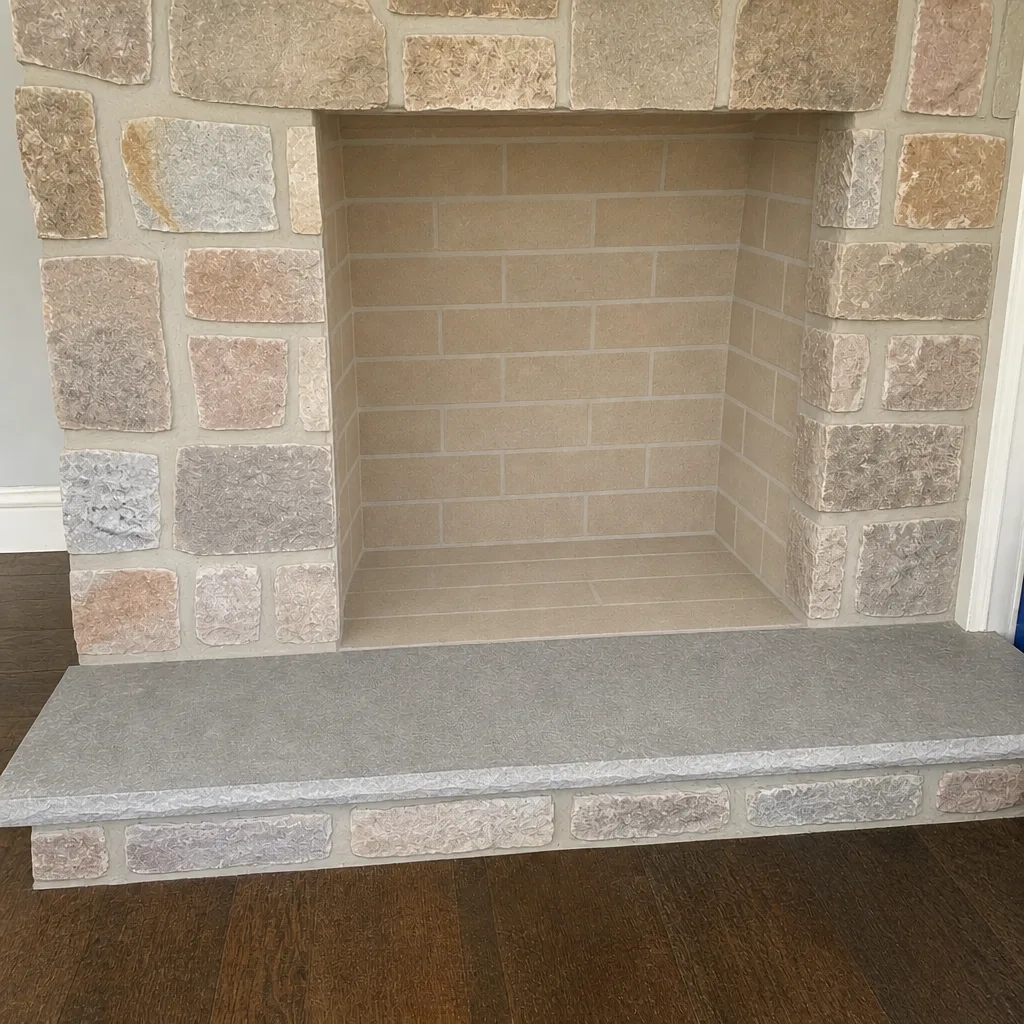
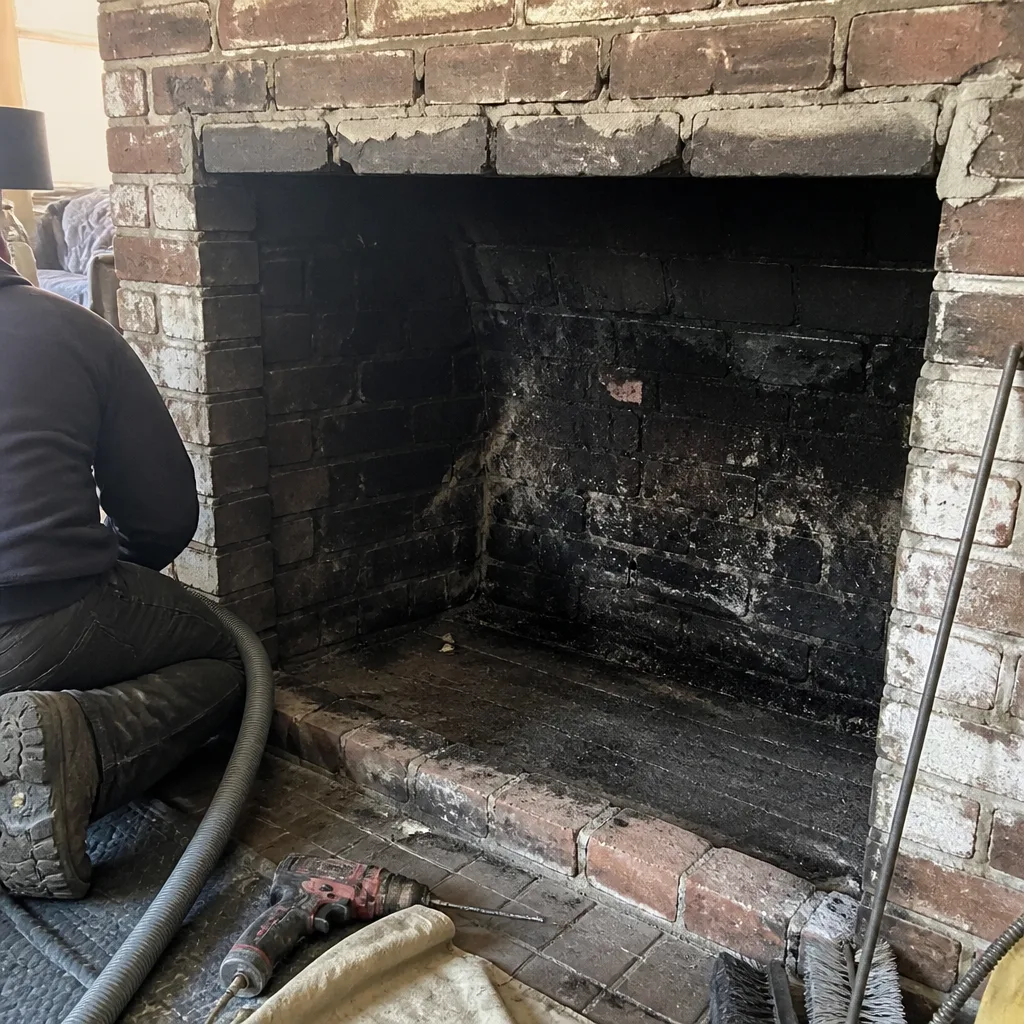
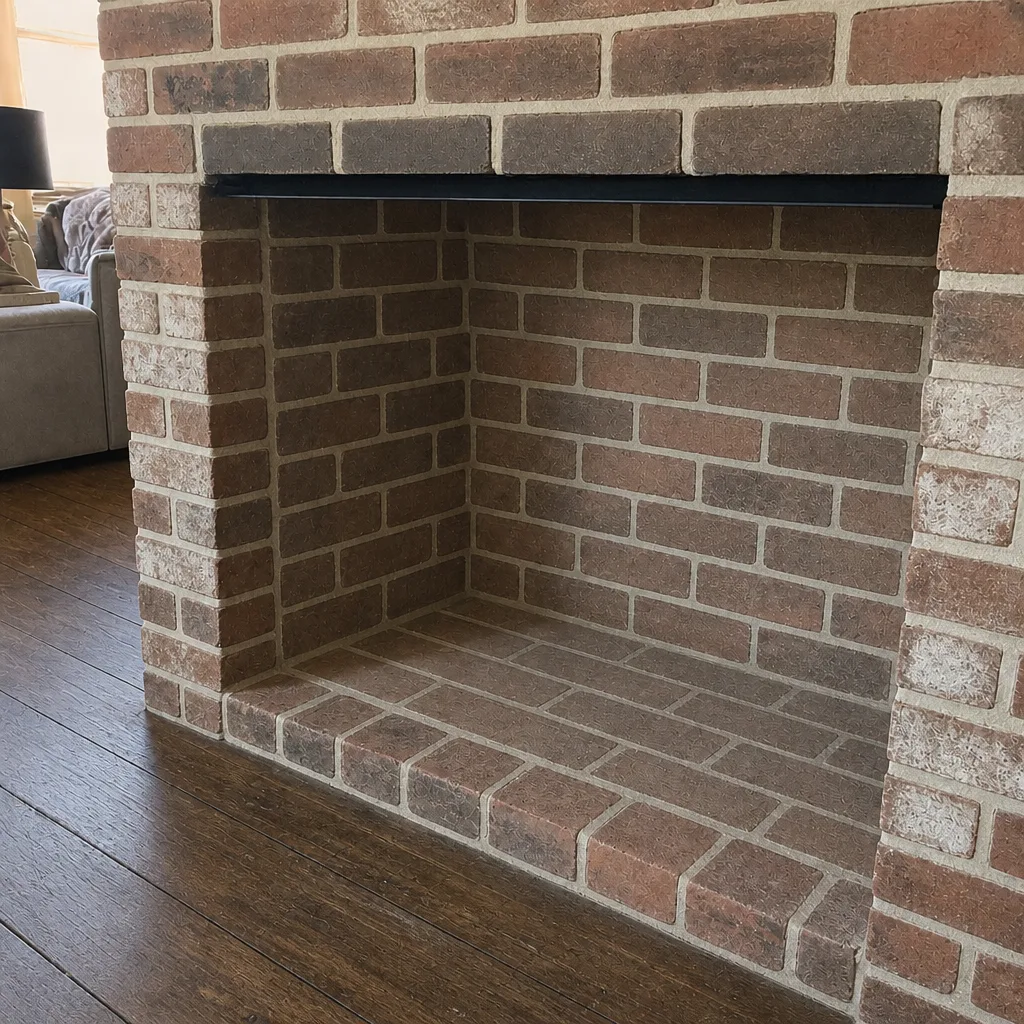
See the difference
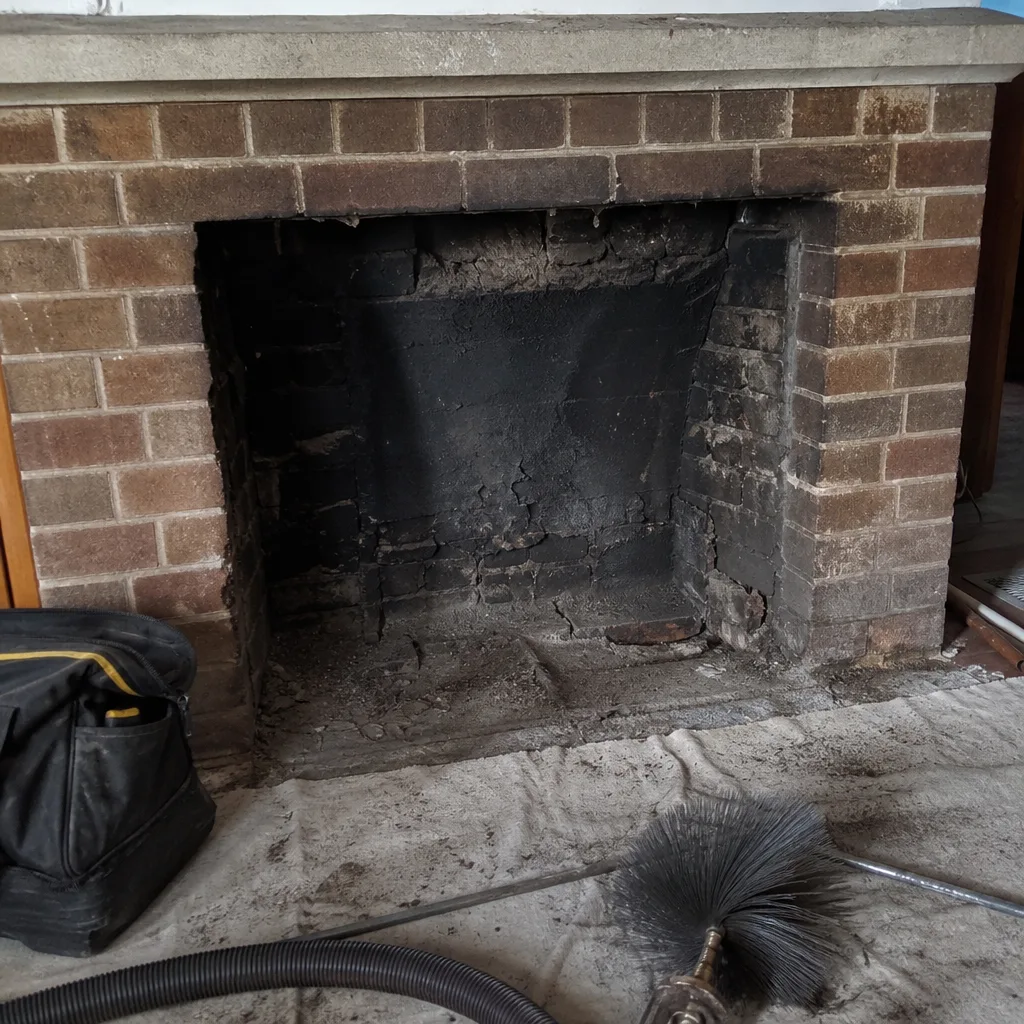 Before
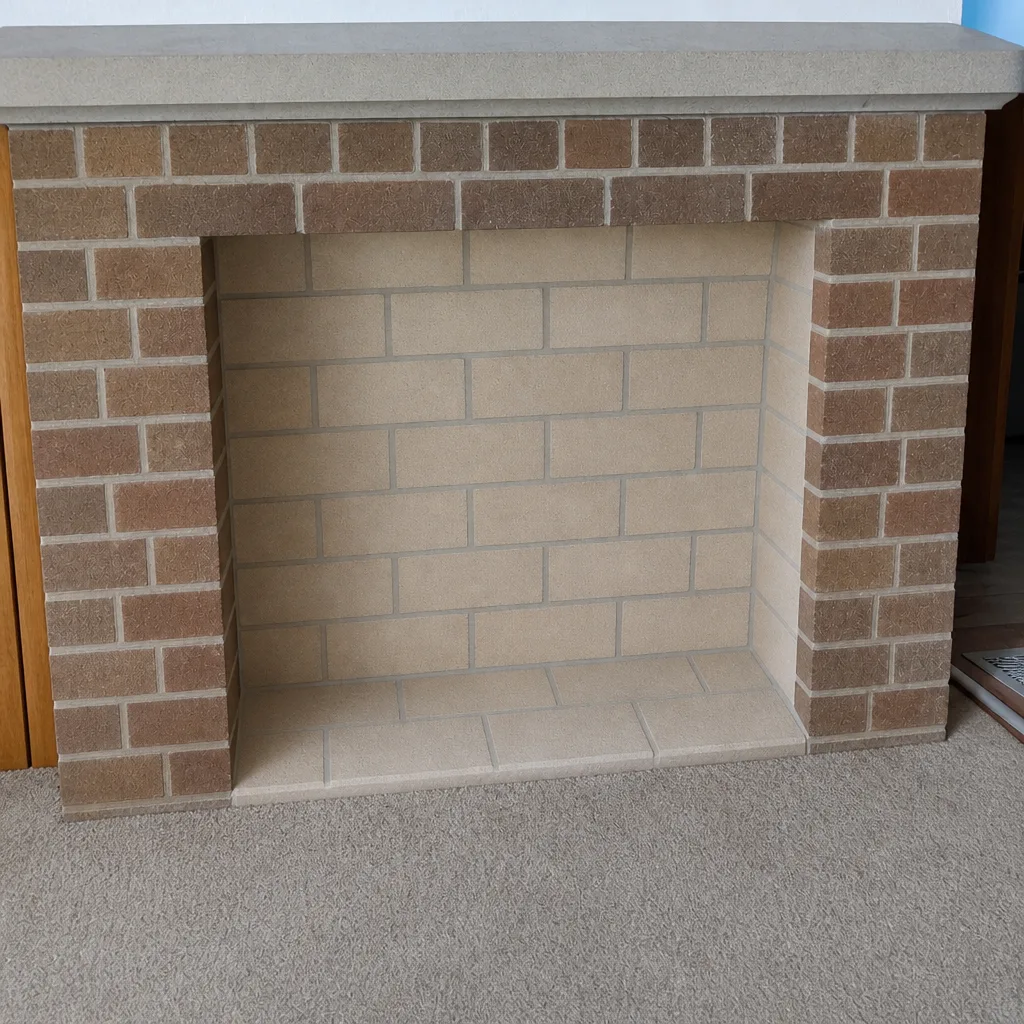 After
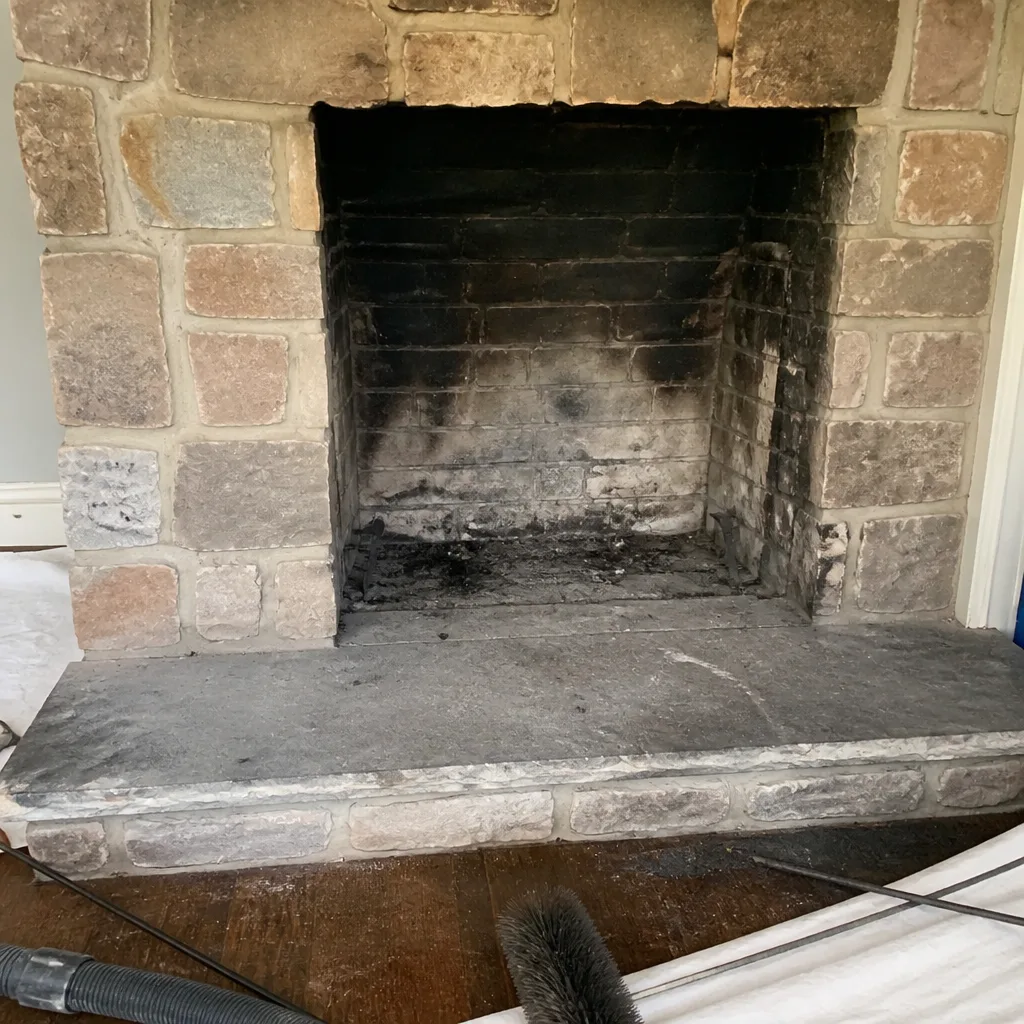 Before
 After
 Before
 After
When to Call a Professional
Call a professional for a chimney cleaning when it’s been a year or more since the last sweep, when you’ve burned more than a cord of wood in a season, or when the appliance has never been inspected since you took possession. Call sooner if you notice creosote buildup at the flue collar, smoke backing into the room, a chemical or tar smell from the fireplace, damaged masonry at the cap, or a chimney fire has occurred (even a small one you put out with a chimney fire extinguisher – it still needs an inspection before the chimney goes back into service). Any change to the appliance – a new insert, a fuel switch, a new stove – calls for a Level 2 inspection. A sudden drop in draft or a new whistle at the fireplace opening is worth a call too.
Chimney Sweep Elgin offers free estimates in Elgin – call (877) 382-6902. We answer 24/7. Fast dispatch from 7am to 7pm, Sunday through Friday. Our technicians have up to 11 years of experience, and the same team handles the sweep, the inspection, and the repair. If you want a starting point before you call, look at our Elgin coverage page.
Frequently Asked Questions
A standard chimney sweep in Elgin typically costs $150 to $300 depending on the chimney type, how heavily it’s been used, and whether a Level 2 inspection is included. Liner repairs and relining are quoted separately per job from a written estimate. Call (877) 382-6902 for an exact quote – estimates are free.
You need a new liner only if the camera inspection shows actual damage – a crack, gap, or deterioration that compromises the flue. Ask to see the images before authorizing anything. If the liner is undamaged, it doesn’t need replacing. Sometimes a HeatShield restoration is enough rather than a full reline with DuraFlex or Olympia Chimney; the difference should be clear in the images. If a contractor can’t show you what’s wrong, it can wait. Call (877) 382-6902 for an inspection and an honest read – estimates are free.
A wood-burning chimney should be swept annually, or sooner if you burn more than a cord a year or if the appliance has been used steadily. Gas and pellet appliances vary by manufacturer, but annual inspection is still the right baseline. Skipping the annual sweep lets creosote accumulate in the flue, which raises the risk of a chimney fire and can restrict venting. Call (877) 382-6902 to book a sweep – estimates are free.
Skipping the sweep allows creosote to build up on the flue walls. Creosote is flammable, and in thick enough deposits it can ignite from a hot flue or a spark, causing a chimney fire. Blockages can also push carbon monoxide back into the home. Neither is alarmist exaggeration; both are mechanical consequences of an unrestricted flue. Book a sweep before the next burn season – call (877) 382-6902, estimates are free.
Yes. The CSIA maintains a public lookup tool for the Certified Chimney Sweep credential. Search by the technician’s full name and Illinois, and confirm the status reads active and unexpired. Ask the company for the individual technician’s name before scheduling so you can verify the person who will actually be at your home, not just the company’s marketing claim.
Yes, and you should request certificates for both. General liability covers damage to your property; workers’ compensation covers injury to the contractor’s employees while they’re on your property. Request certificates from the contractor’s insurance agent and confirm the effective dates and insured name match the company sending the crew.
The Bottom Line
Hiring a chimney cleaning contractor in Elgin means verifying three things yourself: an active CSIA certification (looked up in the public database, not accepted as a verbal claim), current liability and workers’ comp insurance (confirmed by certificate, not by assurance), and a written scope of work that names the cleaning method, inspection level, and pricing. Ask the five pre-scheduling questions. Watch for phone quotes with no intake screening, scare-repair pitches without evidence, and prices that shift on the day. If the contractor can show you the inspection images and put the repair in writing, you’re dealing with a professional. If they can’t, you’re not, and there’s no state license in Illinois that says otherwise. Chimney Sweep Elgin provides chimney sweeping, chimney inspection, and chimney repair with materials from DuraFlex, HeatShield, Gelco, Olympia Chimney, Famco, and Copperfield – one company handling the sweep, the inspection, and any repair the inspection uncovers.
For a free estimate in Elgin, call (877) 382-6902. We answer 24/7. Fast dispatch from 7am to 7pm, Sunday through Friday – closed Saturday.
Written by the team at Chimney Sweep Elgin.