
Last updated November 16, 2026
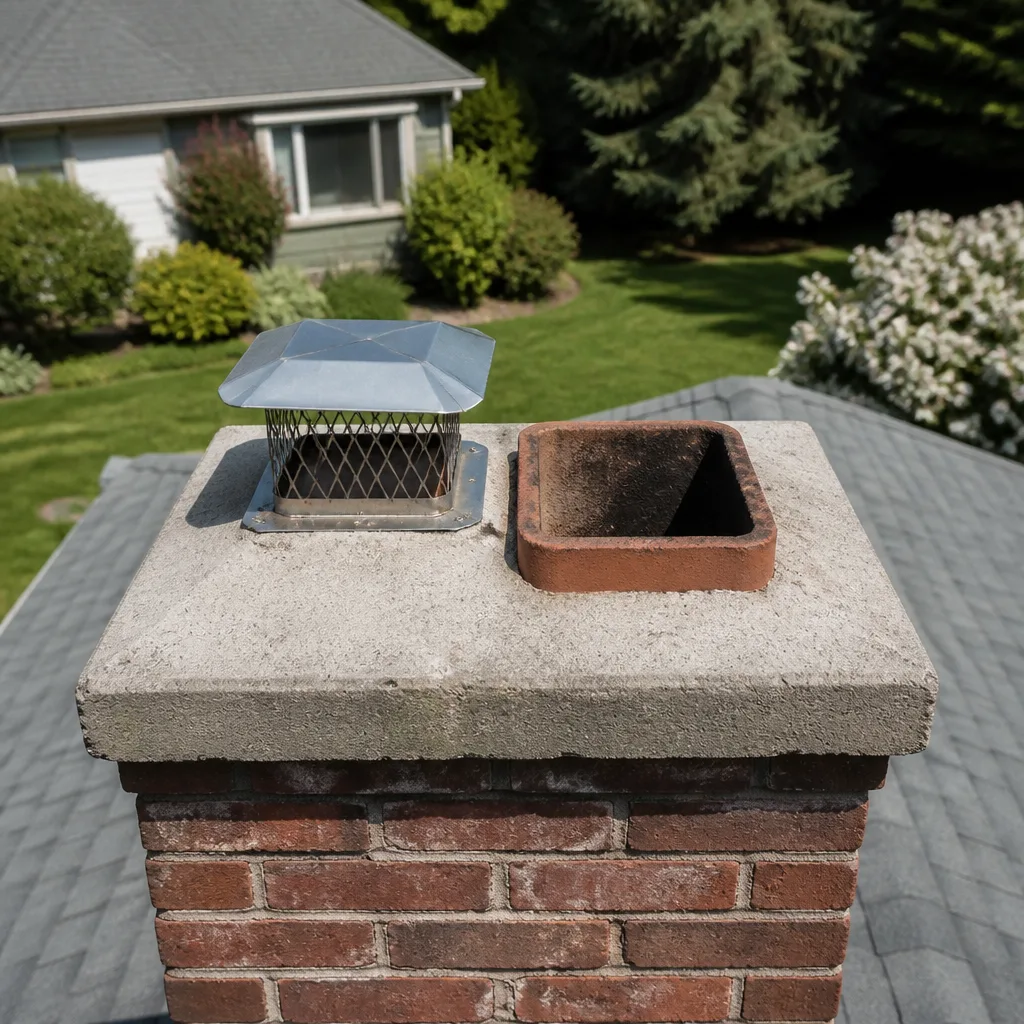 Sweep & inspection
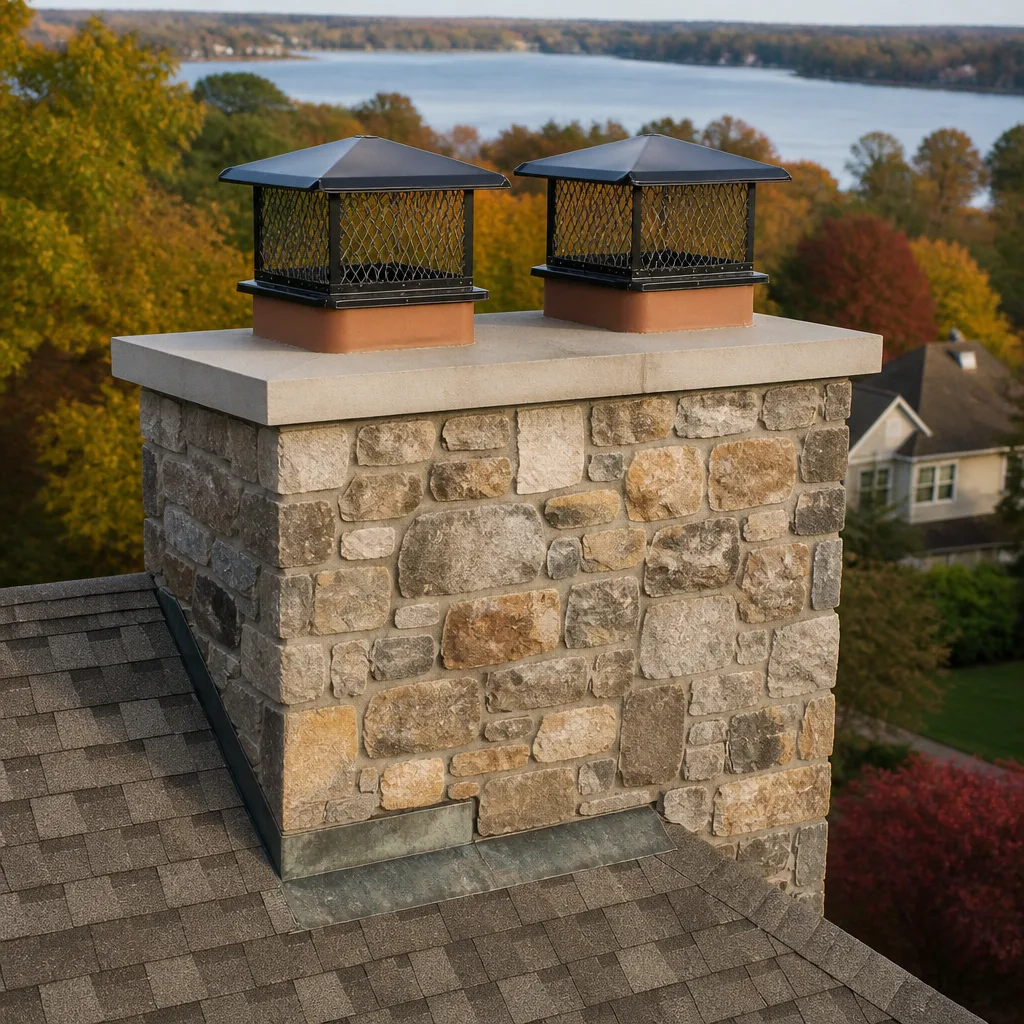 Caps & crowns
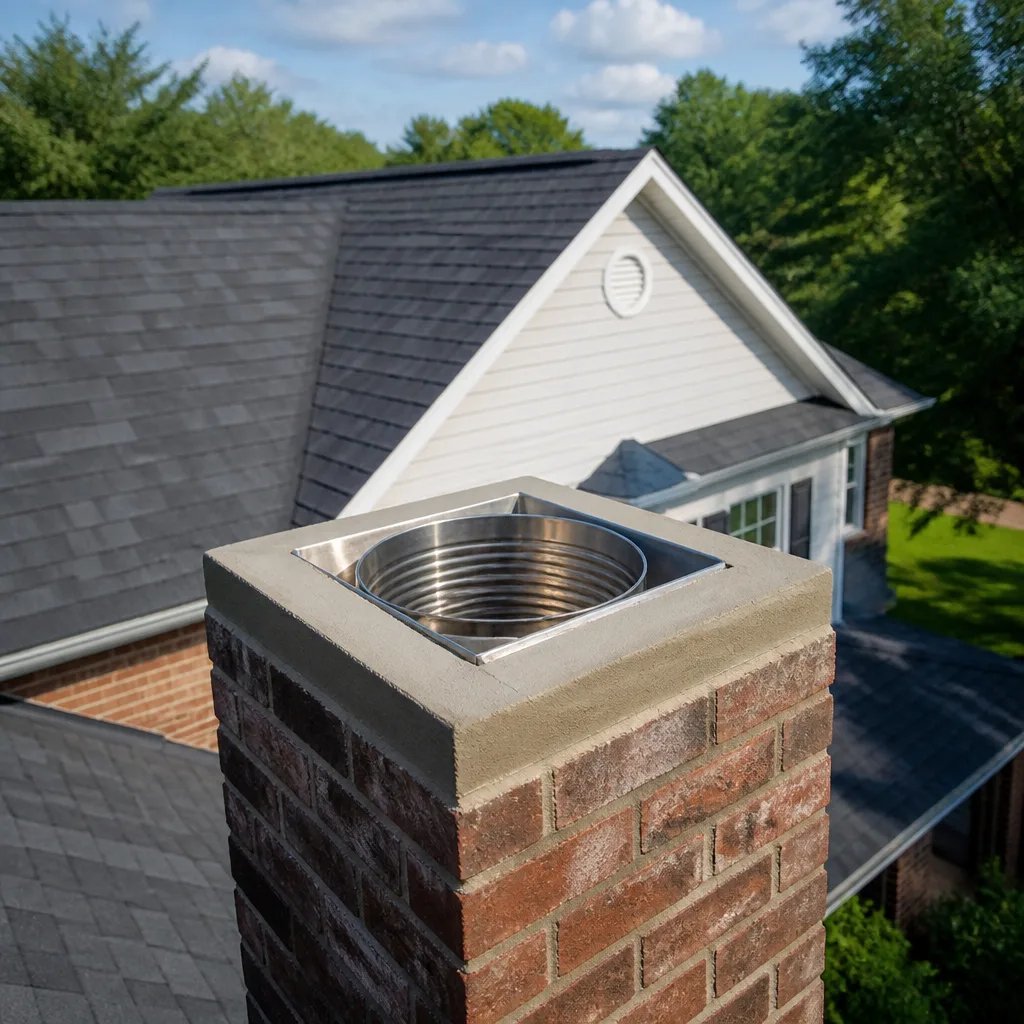 Flue relining
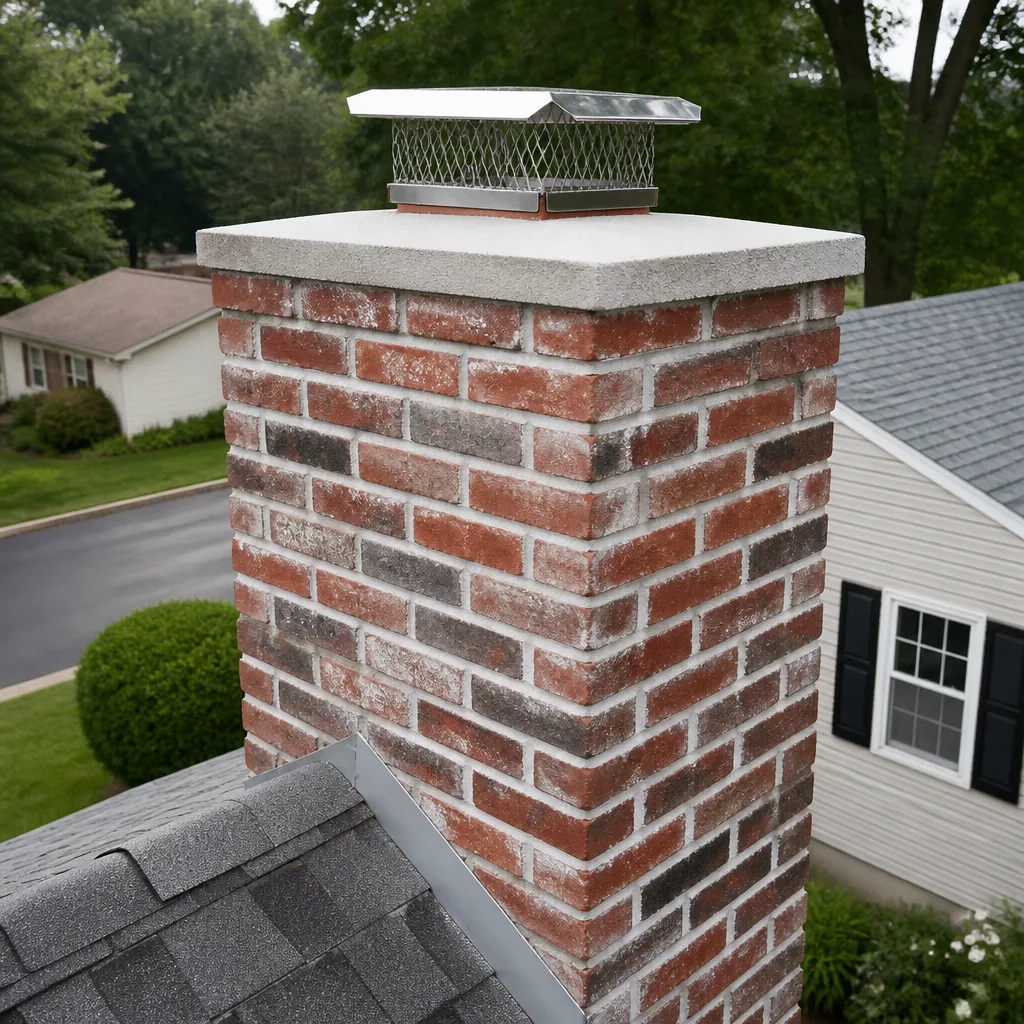 Masonry repair
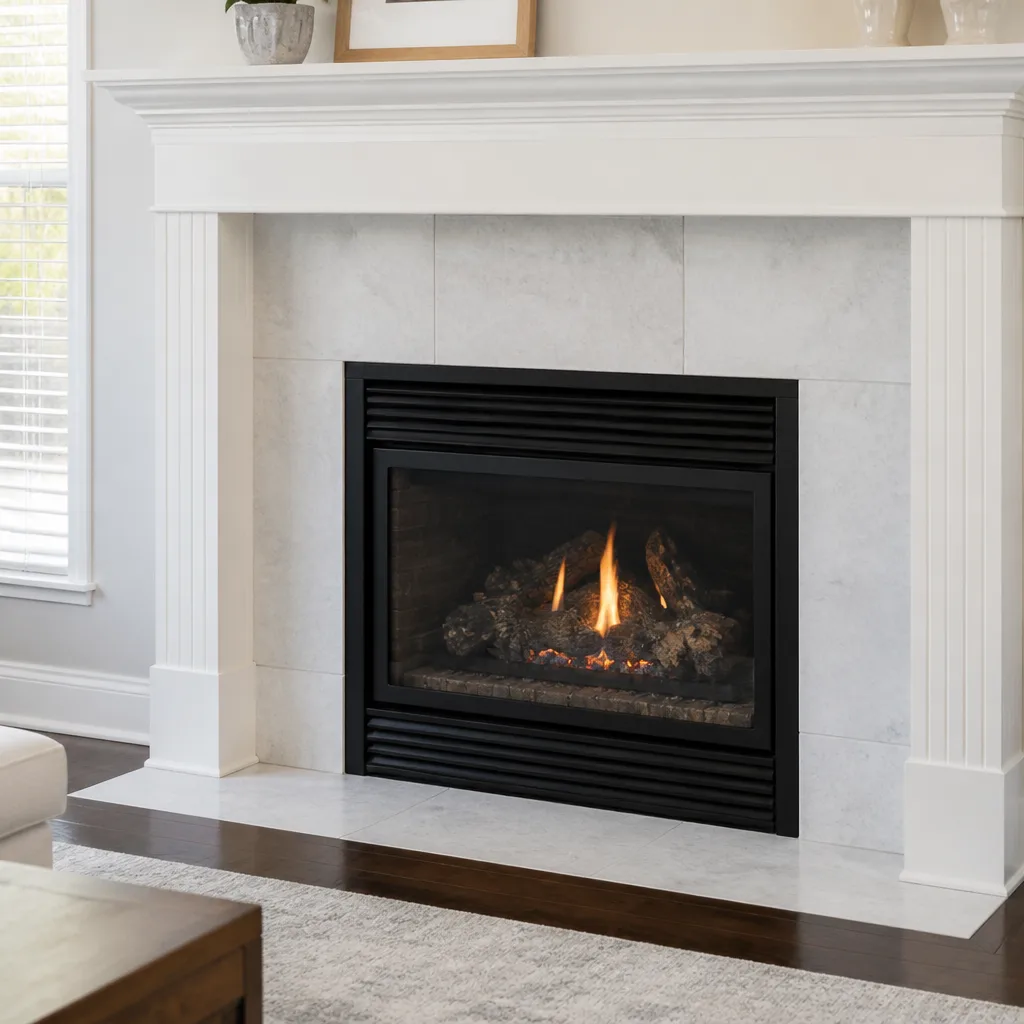 Gas fireplace service
Level 1 sweep and inspection to the NFPA 211 annual standard - flue, crown, cap, and flashing checked and photographed
Chimney sweep logs do not sweep chimneys. They loosen some creosote - which then falls where a brush and vacuum still have to collect it.
Seasonal Chimney Cleaning Care for Elgin: Year-Round Homeowner’s Guide
Most Elgin homeowners book their chimney cleaning in October, and that timing creates a problem most people never think about. By then, summer humidity has already been working on the masonry for months, the creosote from last winter has hardened into a tougher deposit, and every sweep in the area is booked solid because everyone else waited too. October is when the phone lines light up and the calendar fills. It’s the worst month to need an appointment and the busiest one to get one. What works better is spreading chimney care across the whole year, matching each season to the component it actually threatens. This guide maps Elgin’s seasonal conditions to the specific maintenance actions that make sense in each window.
Quick Answer
Chimney care in Elgin works best when it’s scheduled by season rather than crammed into one annual visit. Spring is the ideal time for a full sweep and inspection, because creosote is still workable and winter freeze-thaw damage is visible before it spreads. Summer is the window for masonry work, crown repair, and waterproofing. Fall is for pre-season verification before you burn, and winter calls for watching for warning signs that need attention mid-season. Gas fireplaces need seasonal checks too, even though they produce far less creosote.
Styles & brands we work with
- Sweep & inspection
- Caps & crowns
- Flue relining
- Masonry repair
- Gas fireplace service
Table of Contents
- Why Seasonal Chimney Care Beats Annual-Only Maintenance
- Spring Chimney Care: Booking the Sweep Before the Rush
- Summer Chimney Care: Masonry, Crowns, and Waterproofing
- Fall Chimney Care: Pre-Season Inspection and DuraFlex Checks
- Winter Chimney Care: Warning Signs That Warrant a Call
- Gas Fireplace Flues Still Need Seasonal Checks
- The Elgin Seasonal Chimney Care Calendar
- Common Mistakes to Avoid
Why Seasonal Chimney Care Beats Annual-Only Maintenance
A single October cleaning addresses a chimney as it stands after months of neglect. A seasonal approach addresses each part of the chimney when it’s most vulnerable and most workable. The difference isn’t marketing. It’s the physics of creosote, mortar, and water, each of which behaves differently depending on the weather.
Creosote is a case in point. After a season of burning, the deposit is relatively fresh. It changes over the summer, absorbing humidity and bonding harder to the flue wall. In our experience, a spring appointment means a sweep clears more of it with less aggressive tooling, and you get a clearer look at the flue before the summer heat bakes everything in place. Waiting until fall doesn’t just delay the work; it makes the work harder.
Masonry is the other half of the argument. Elgin’s winters alternate freeze and thaw, and each cycle pushes water deeper into cracks in the mortar and crown before expanding. By the time anyone thinks about repair in autumn, that damage has had a full season of warm weather to spread. Catching it in spring, or at least identifying it then, gives the repair a real window instead of a rushed one.
There’s a scheduling dimension too. Spring and early summer are slower for chimney work than the September-to-November crush. That means wider appointment windows, more time for a genuine inspection, and the ability to complete any repair that surfaces without bumping into a waitlist. If you’re curious what a proper sweep involves, the details live on our chimney sweep page. The point here is timing: the best repair is the one you have time to do properly.
A practical way to think about it is to assign one season to the component most likely to fail. Spring belongs to the flue interior. Summer belongs to the exterior masonry and chase. Fall belongs to the components you can only verify when the firebox is cold and empty. Winter belongs to observation. That division keeps every part of the chimney on a maintenance cycle instead of relying on a single appointment to catch everything.
Key Takeaways
- Spring sweeps are easier and cheaper than fall ones because creosote is fresher and the calendar is open.
- Summer is the correct window for masonry, crown, and waterproofing work.
- Fall inspections verify what a cleaning alone won’t catch: damper function, cap condition, liner stability.
- Winter warning signs like backdraft or unusual odor shouldn’t wait for the annual visit.
- Gas fireplace flues need season-specific checks even though they produce far less creosote.
Spring Chimney Care: Booking the Sweep Before the Rush
Spring is the best single time of year to schedule a chimney sweep in Elgin. The heating season has ended, creosote is fresh from winter burns, and any freeze-thaw damage to the flue or masonry is visible before a summer of heat has a chance to widen it. You also get the widest scheduling window of the year, which matters if your chimney turns out to need a repair.
Here’s what a spring visit should actually accomplish, in order:
- Clear the flue of creosote and soot while the deposit is still workable. The longer creosote sits, the harder it bonds to the flue wall.
- Inspect the flue interior with a camera and document what the sweep finds. A written record with photos gives you something to compare against next spring.
- Check the firebox and damper for cracks, warping, and function problems that might have developed over the heating season.
- Examine the chimney exterior for winter damage, especially at the crown and along mortar joints where water gets in.
- Note any repair needs so you can schedule them for the summer, when the weather cooperates and the work can be done right.
- Confirm the cap and cover are intact. Winter storms and critter activity can damage or dislodge a cap, which leaves the flue open to rain and animals.
Our technicians have up to 11 years of experience, and the pattern we see is consistent: chimneys swept in spring reveal their problems earlier, and homeowners have time to plan repairs instead of paying for emergency ones in November. When we find something, we document it, then fix it with materials you can look up. If a repair is needed, the same crew that diagnosed it follows up using trade-grade components, whether that’s a HeatShield restoration or a new cap from Copperfield.
Spring is also the right moment to decide whether the chimney needs only a cleaning or a genuine inspection. The two are different services, and a sweep alone won’t tell you if the liner has cracked or the crown has separated. Ask specifically what the visit includes. If you’re unsure which you need, call (877) 382-6902. We answer 24/7. Fast dispatch from 7am to 7pm, Sunday through Friday.
Summer Chimney Care: Masonry, Crowns, and Waterproofing
Summer is the season that damages chimneys that look fine, and it’s also the only season with weather reliable enough to do the repairs. Elgin’s summer humidity and sun work on the masonry from opposite directions: water infiltrates through cracks, then high temperatures and UV exposure break down sealants and dry out mortar faster than it can cure. The chimney looks fine from the ground while the crown quietly fails.
The components to watch in summer:
- The crown, the concrete cap at the top of the chimney. It’s the first line of defense against water, and its sealant degrades in UV heat. A cracked crown lets water into the chimney structure, where it freezes the following winter and does far more damage.
- Mortar joints. Joints weather and open up a little each summer, especially on chimneys that face the sun. Once they open, water gets behind the brick.
- The flue cap or cover on top of the flue tile. A missing or damaged cap is an invitation for rain, birds, and squirrels to enter. We install Gelco and Famco chimney caps and covers, which handles the weatherproofing and critter exclusion at the same time as the repair.
- The liner. Summer is when we can fully examine a liner and determine whether it needs relining. DuraFlex and Olympia Chimney liner systems are what we install for relining work, meeting manufacturer specifications.
Waterproofing belongs in this window, not autumn. It needs dry, consistently warm conditions to cure correctly, and applying it before the masonry has been fully dried and repaired just traps moisture inside. Any masonry repair, crown reseal, or waterproofing application should be done here, between the last spring freeze and the first fall rain.
Summer is also when HeatShield restoration becomes practical. HeatShield is a professional-grade chimney liner restoration system that repairs a damaged liner from the inside without a full rebuild. Not every sweep service offers or stocks it. When the investigation shows a liner that’s cracked but structurally sound enough to restore, this is often the option that avoids a full replacement. The summer window gives the material time to cure and the crew time to do it without a heating-season deadline hanging over the work.
For structural repair work in Elgin, summer is when you want to be on the schedule. The chimney repair service covers masonry, crowns, caps, and liners, and summer availability is the reason to call before the leaves turn.
Fall Chimney Care: Pre-Season Inspection and DuraFlex Checks
A fall inspection should go beyond a cleaning. Before the heating season starts is the only time the firebox is cold, empty, and safe to examine closely, and it’s the moment to verify components that a sweep in the middle of winter can’t easily check. Cleaning alone doesn’t confirm the damper works, the cap is intact, or the liner hasn’t shifted.
A pre-season inspection in Elgin should include, at minimum:
- Damper function test. The damper should open and close smoothly and seal properly. A damper that’s stuck open loses heat up the flue; one that won’t open is a smoke problem waiting to happen.
- Cap and cover condition. Check that the cap is still attached, undamaged, and screening out animals. Fall storms and summer wind can loosen one.
- Liner verification. If a DuraFlex liner was installed, the inspection should confirm it hasn’t shifted or separated during the summer. Liners are designed to be stable, but an annual check is cheap insurance.
- Creosote assessment. Even after a spring sweep, the buildup from early-season burning needs a look. If creosote is at a level that needs attention, it’s better to know before the first cold snap.
- Check the firebox and hearth for new cracks or loose brick, and confirm the smoke chamber is clear.
- Confirm airflow. A flue that’s blocked by a bird’s nest or debris will back up smoke. Fall is when nests are most likely to have been built.
By the time fall arrives, the summer damage should already be repaired. The fall inspection is a verification step, not a repair session. If it uncovers a problem, that’s a signal that the summer window was missed. It’s still fixable, but the schedule is tighter and the weather less cooperative.
This is also when homeowners who burn as a primary heat source should be clearest about their usage. A wood stove or insert run hard through winter needs a clean flue and a verified liner, and running a full inspection before the first burn is what separates a safe season from a risky one. If you’ve never had a documented inspection, this is the year to start. Our Chimney Sweep Elgin team handles the sweep, the inspection, and the repair as a single company, so findings don’t get handed off.
Winter Chimney Care: Warning Signs That Warrant a Call
Winter is when the chimney is actually in use, and it’s the season when a mid-year service call is most warranted. You shouldn’t wait for the next annual appointment if specific warning signs appear. None of these are emergencies on their own, but each points to something that needs a professional look before the problem gets worse.
The warning signs to watch for during the heating season:
- Excessive smoke backdraft. If smoke rolls back into the room instead of going up the flue, the draft is compromised. Possible causes include a blocked or partially blocked flue, a closed or faulty damper, or a pressure problem in the house. This one deserves a call sooner rather than later.
- Unusual odor during low-use periods. If you smell a strong creosote or acrid odor when the fireplace isn’t burning, it can indicate creosote buildup or a downdraft pulling chimney air into the house. A professional check can identify the source.
- Visible efflorescence. White, powdery staining on the chimney’s exterior means water is moving through the masonry and depositing minerals on the surface. It’s not just cosmetic. It’s a signal that water is getting in somewhere, and it should be investigated before spring.
- A change in burn behavior. A fire that suddenly burns poorly, smolders, or produces more smoke than usual points to a draft problem that needs diagnosis.
- Loose or crumbling mortar spotted from the ground, or a cap that’s visibly damaged or missing.
Here’s the important caveat: chimney fires and carbon monoxide risk are the two reasons a winter warning sign matters. A blocked flue can push carbon monoxide into the living space instead of up and out, and a heavy creosote load is what makes a chimney fire possible. Neither is a reason to panic, but both are reasons not to treat a backdraft as a quirk. If you have a carbon monoxide alarm, make sure it’s working and placed correctly. A professional inspection and a camera view of the flue is the right response to any of the signs above.
If something concerns you mid-season, call (877) 382-6902. We answer 24/7. Fast dispatch from 7am to 7pm, Sunday through Friday. A call outside dispatch hours is booked into the next opening.
Gas Fireplace Flues Still Need Seasonal Checks
Gas fireplaces produce very little creosote, but that doesn’t make the flue self-maintaining. The risks are different, not absent, and they happen to be seasonal. Elgin homeowners who assume a gas fireplace needs no attention are the ones most likely to discover a blocked flue or a pest problem the hard way.
The season-specific risks with a gas flue:
- Condensation. Gas appliances produce moisture in their exhaust. In an underused gas fireplace, that moisture can condense on the flue walls, and over time it contributes to corrosion and deterioration of the liner. A seasonal check confirms the flue is venting properly and not trapping moisture.
- Animal intrusion. A gas flue with no cap is an ideal nesting site in spring and summer. Birds and squirrels enter through the top and build in the flue, and the blockage isn’t visible until the fireplace is used. A cap from Famco or Copperfield closes that opening, which is why we install caps and covers as part of the seasonal work.
- Debris blockage. Leaves, twigs, and nesting material can block a gas flue just as easily as a wood flue, and the result is poor venting and possible carbon monoxide backup.
- Pilot and venting function. A gas appliance that hasn’t been used for a season should be checked for proper venting before it’s put back into service.
The good news is that a gas fireplace seasonal check is lighter work than a wood chimney sweep. It’s still worth scheduling in spring or fall, alongside your other chimney maintenance. If you’re unsure what your gas insert needs, we can look at it. The scope runs from a straightforward flue check to a full inspection with a camera. One company handles the sweep, the inspection, and the repair, and the materials come from the brands a proper repair requires.
For homeowners anywhere in the Elgin area who want a single seasonal routine covering both wood and gas appliances, the easiest approach is to put every chimney in the house on the same schedule. A spring sweep and inspection covers the wood flue, and the same visit checks the gas appliance.
The Elgin Seasonal Chimney Care Calendar
Here’s the full-year view, arranged by season. This is a reference you can follow each year without re-deciding what to do when.
Spring (after the heating season ends)
- Schedule the annual sweep while creosote is still fresh.
- Request a camera inspection and keep the documented findings.
- Identify any winter damage to the masonry, crown, or cap.
- Plan summer repairs based on what the inspection reveals.
Summer (dry, warm weather)
- Complete masonry repairs and mortar joint work.
- Reseal or repair the crown.
- Apply waterproofing after repairs are complete and dry.
- Relining work using DuraFlex or Olympia Chimney systems, and HeatShield restoration where it fits.
- Install or replace a cap from Gelco or Famco if needed.
Fall (before the first burn)
- Full pre-season inspection beyond the sweep: damper test, cap condition, liner verification.
- Confirm the DuraFlex liner hasn’t shifted.
- Clear any summer debris or nests.
- Verify carbon monoxide alarms are working.
Winter (during the heating season)
- Watch for backdraft, unusual odor, and efflorescence.
- Call if a warning sign appears instead of waiting for the annual visit.
- Keep the firebox clear and never over-fire the appliance.
The purpose of the calendar is to move the thinking off a single appointment and onto the whole system. A chimney is a flue, a liner, a firebox, a damper, a crown, and an exterior chase, and each of those components has a season when it’s easiest to service. Following the calendar means you’re not trying to solve everything at once in October.
If you’ve been on the once-a-year schedule, changing over is straightforward. Start with a spring sweep and inspection, act on the findings in summer, verify in fall, and watch in winter. After one full cycle, the annual rhythm becomes simple. If you’d like the team to walk through your chimney’s condition and set up the first cycle, call (877) 382-6902 for a free estimate.
Common Mistakes to Avoid
- Scheduling the only appointment in October. You’ll hit the busiest month of the year, the creosote will be harder to remove, and any repair uncovered will have to wait in line or be rushed before winter. Book in spring instead.
- Treating a cleaning as an inspection. A sweep removes creosote; it does not confirm the damper works, the cap is intact, or the liner is sound. Ask for the inspection separately if it isn’t included, because the two are different services.
- Skipping the summer masonry window. Crowns, mortar, and waterproofing need dry, warm weather to cure. Doing this work in autumn, or ignoring it, leaves the chimney exposed to the coming freeze-thaw cycle.
- Assuming a gas fireplace needs no care. Condensation, blocked vents, and animal intrusion are all seasonal risks in a gas flue. Schedule a check alongside the wood chimney.
- Ignoring efflorescence. White staining on the chimney’s exterior means water is moving through the masonry. It’s a signal to investigate, not a cosmetic blemish to ignore.
- Letting a cap go missing. A cap keeps out rain and animals. When it’s damaged or dislodged, the flue is open to the weather and to nesting, and the problem compounds with each season.
- Running an unfamiliar appliance without a verified flue. Before your first burn in a new house, or after a long idle period, verify the flue with a professional inspection. Guessing is not worth the risk with carbon monoxide.
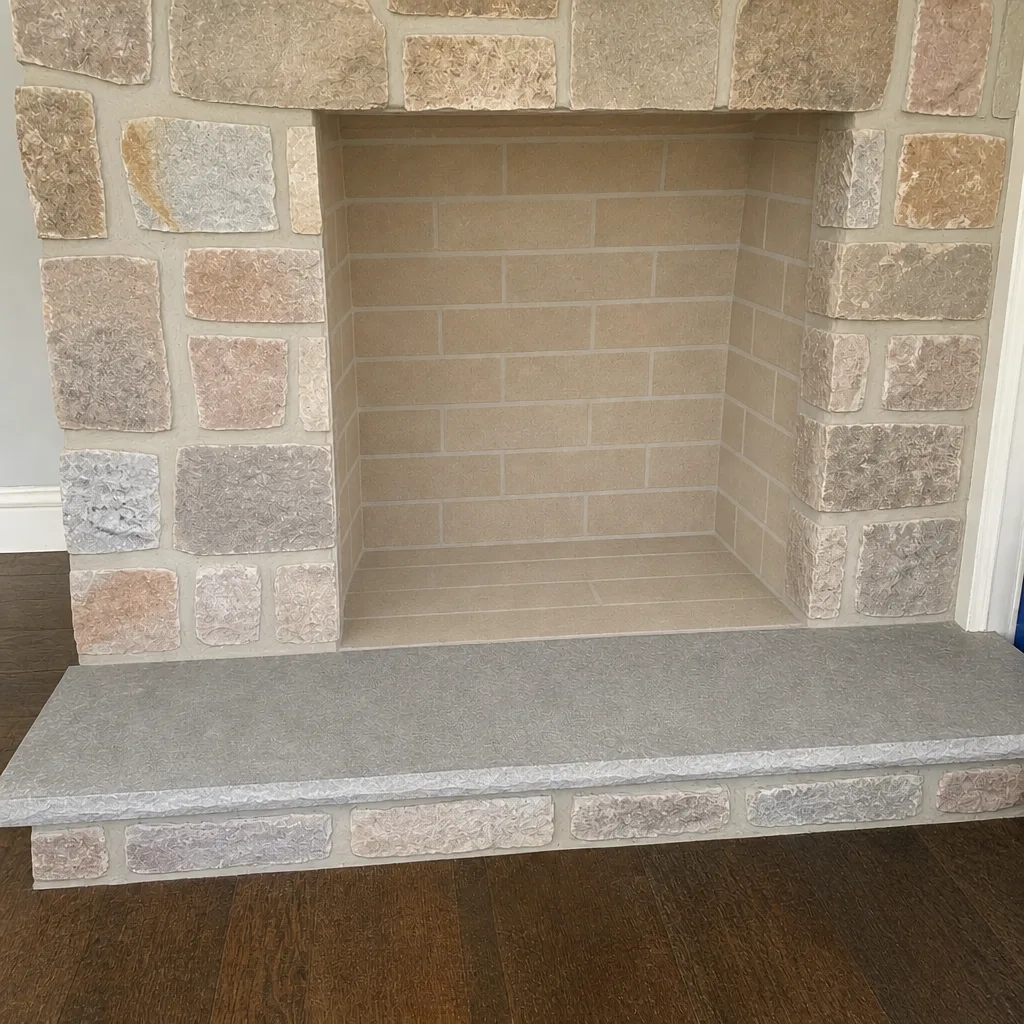
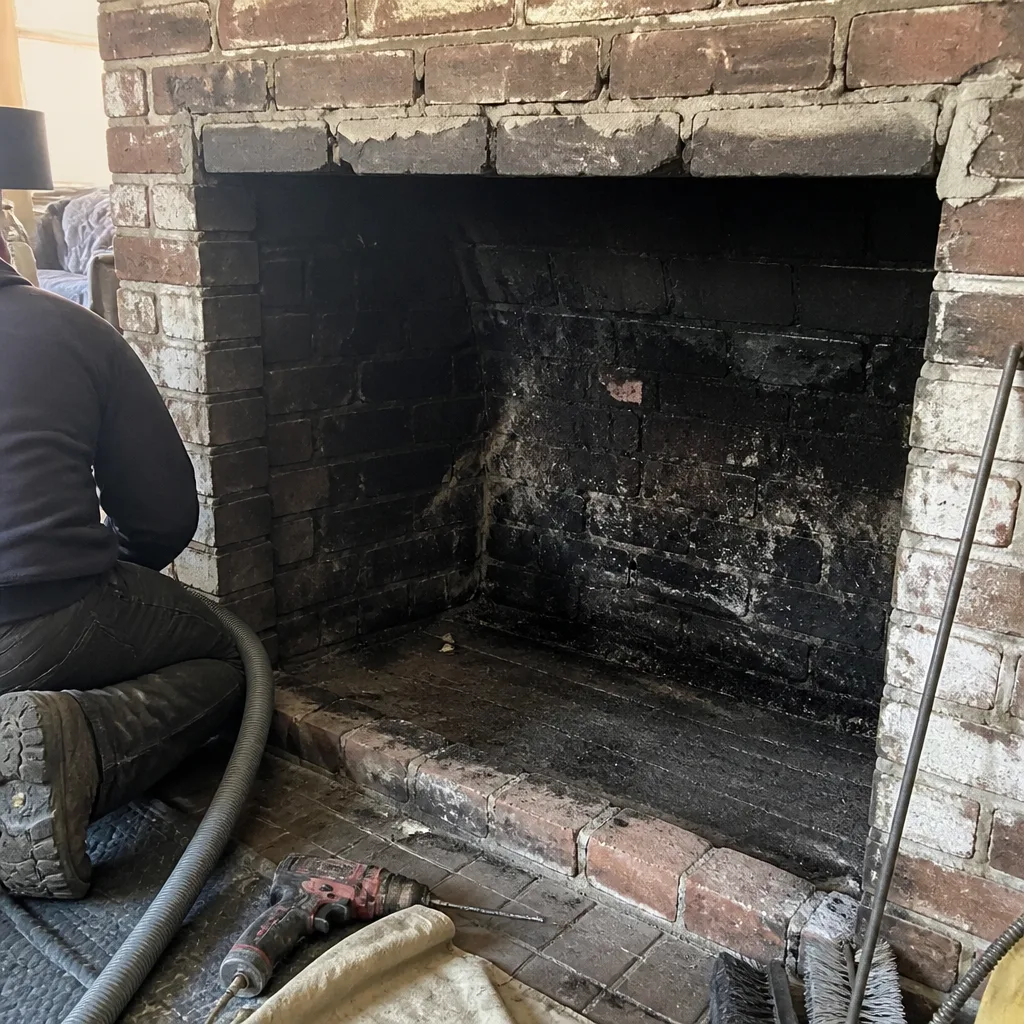
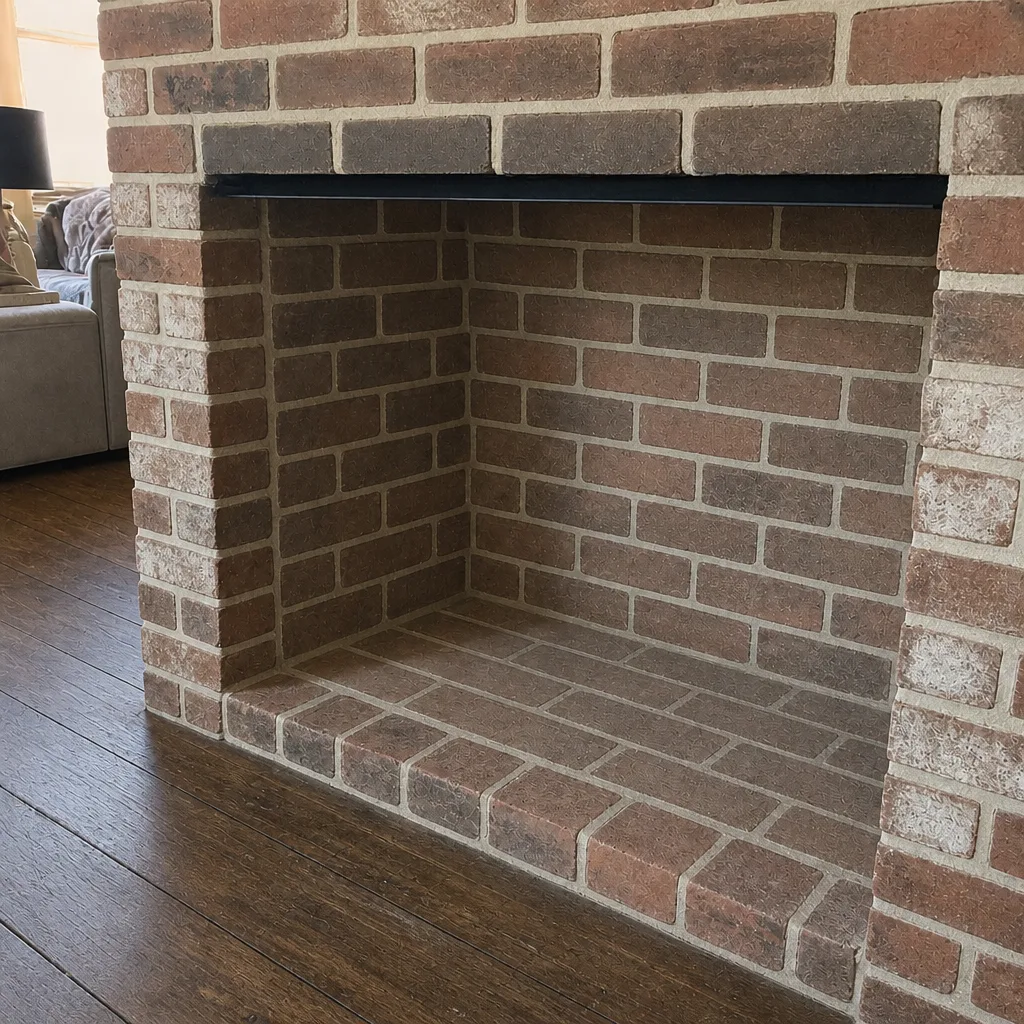
See the difference
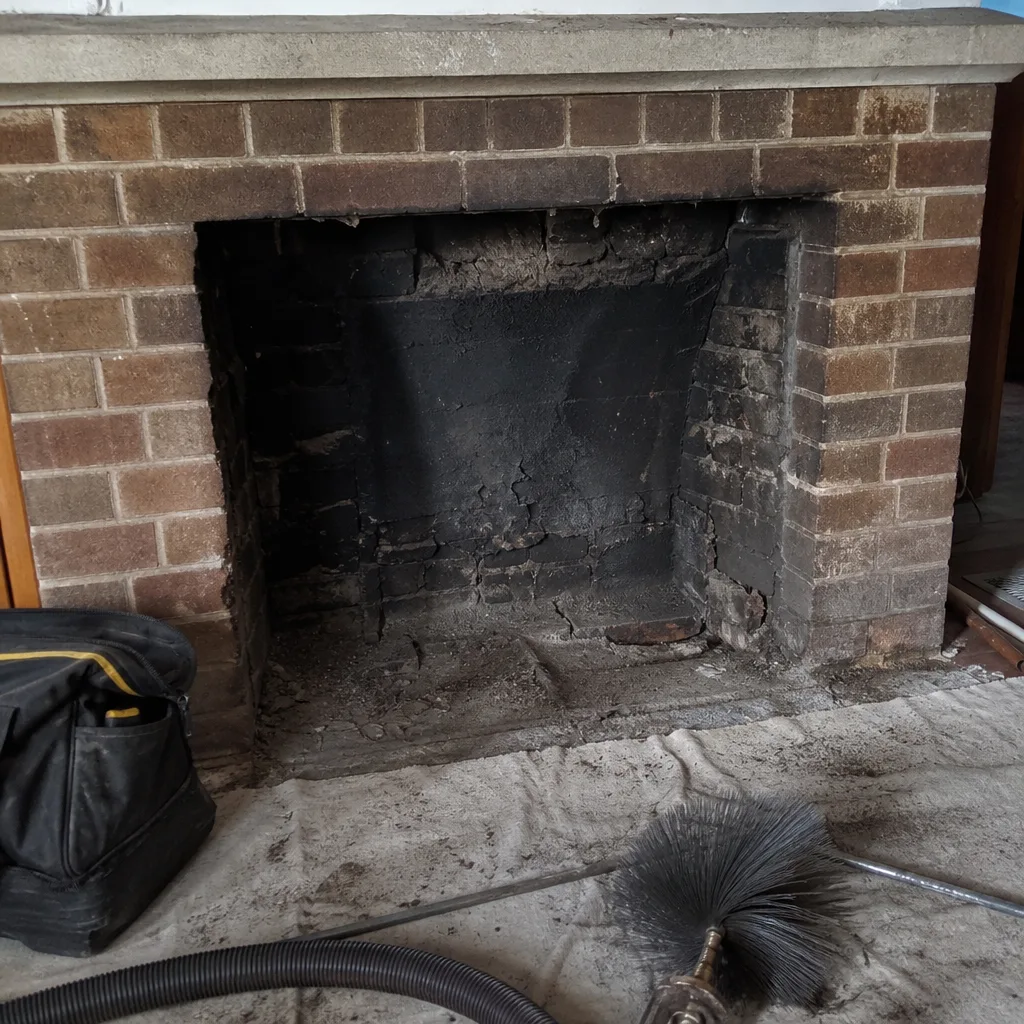 Before
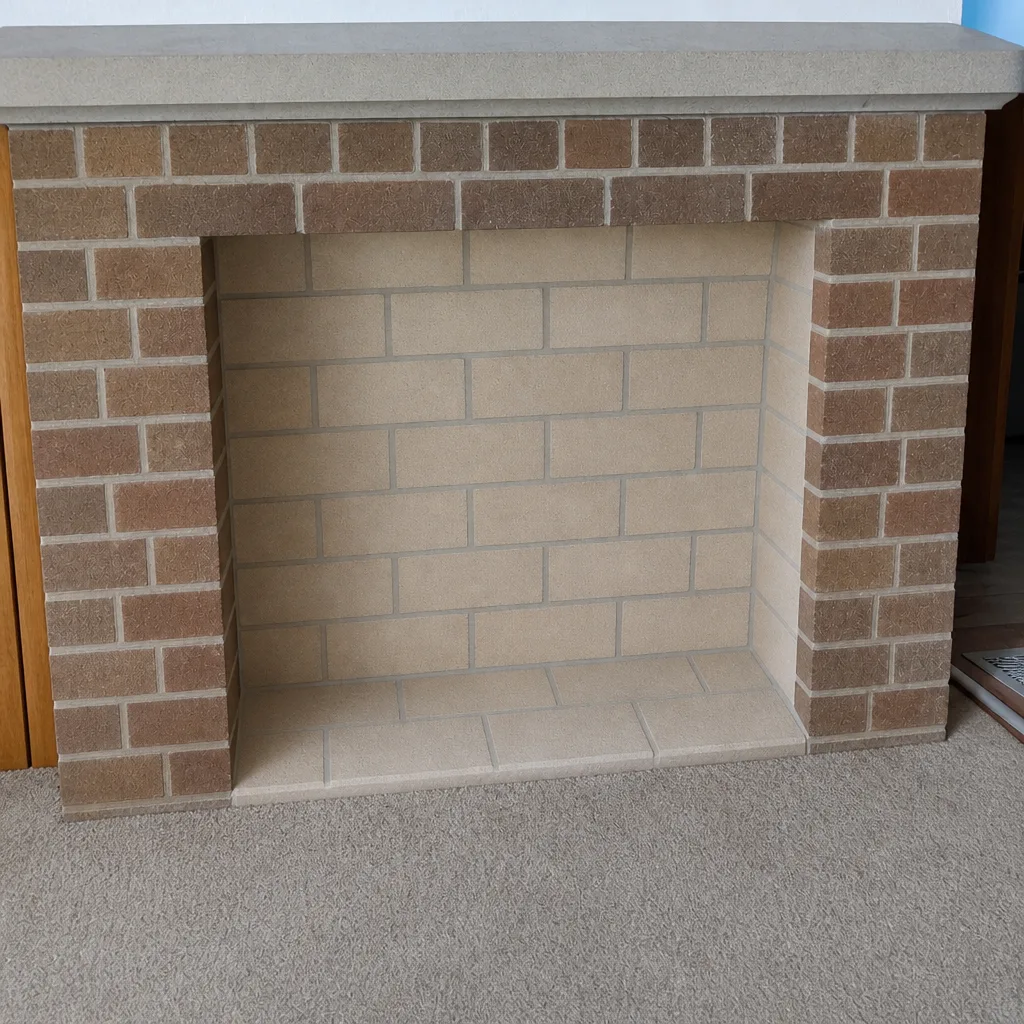 After
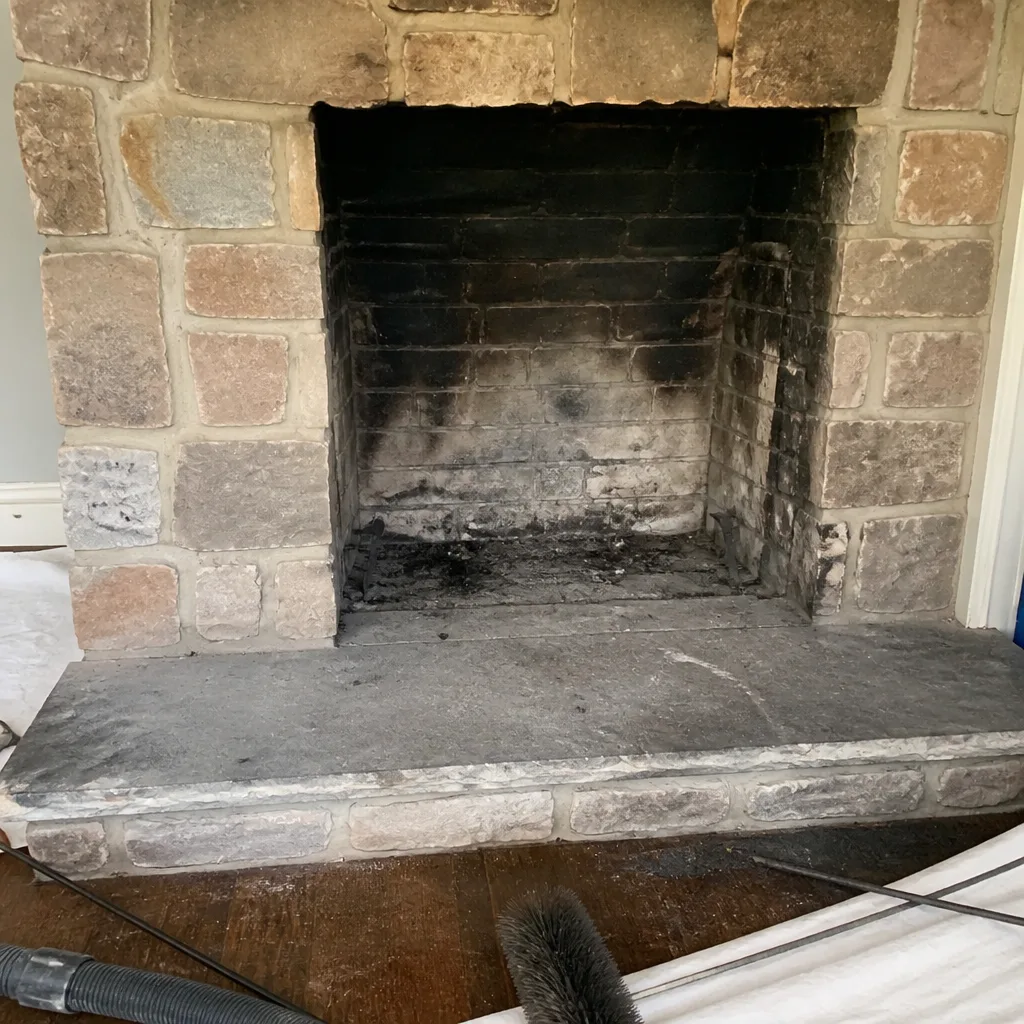 Before
 After
 Before
 After
When to Call a Professional
Call a professional when you see smoke backdraft into the room, smell a strong creosote or acrid odor when no fire is burning, spot white efflorescence on the chimney exterior, or notice a change in how the fireplace burns. Call if the cap is damaged or missing, if there’s visible cracking or loose mortar near the crown, or if you’ve never had a documented inspection and don’t know the condition of the liner. Call before your first burn in a new home. Carbon monoxide risk and chimney fire risk are the reasons not to put these off, and a camera inspection is the way to know what’s actually going on. Nothing is recommended without evidence you can see for yourself, and we’ll tell you plainly when a repair can safely wait.
Chimney Sweep Elgin offers free estimates in Elgin. Call (877) 382-6902. We answer 24/7. Fast dispatch from 7am to 7pm, Sunday through Friday.
Frequently Asked Questions
Once a year for most wood-burning fireplaces, and more often if you burn heavily or use a wood stove as a primary heat source. The annual sweep catches creosote before it builds to a level that matters, and pairing it with an inspection catches component problems that a cleaning alone won’t find. Spring is the easiest time to schedule it, since the calendar is open and creosote is fresh. Call (877) 382-6902 for an exact quote – estimates are free.
Spring, right after the heating season ends. Creosote is still workable, winter damage is visible before summer heat widens it, and scheduling is far easier than in October. Summer is the window for any masonry, crown, or waterproofing work the spring inspection turns up. Fall should be a verification step, not the first time anyone looks at the chimney.
They need an annual check, not a creosote sweep. Gas fireplaces produce very little creosote, but the flue still faces condensation, animal intrusion, and debris blockage, and those are seasonal risks. A gas flue without a cap is an easy target for birds and squirrels in spring and summer. A seasonal inspection confirms the flue is clear and venting correctly. Call (877) 382-6902 for an exact quote – estimates are free.
Smoke backdraft into the room, a strong odor when no fire is burning, white efflorescence on the exterior, a sudden change in burn behavior, or a damaged or missing cap. Any of these points to something worth investigating, and backdraft in particular can mean a blocked flue that pushes carbon monoxide into the house. Don’t wait for the annual appointment if one of these appears.
It depends on what’s damaged. A missing cap or a cracked crown should be addressed before winter, because water entering the masonry and then freezing does more damage than the original problem. Cracks in the flue itself need attention before the next burn. Loose cosmetic mortar with no water intrusion can often wait. A professional look tells you which category you’re in, and we’ll tell you plainly when a repair can safely wait. Call (877) 382-6902 for an exact quote – estimates are free.
It should include the damper function test, the cap and cover condition, verification that the liner hasn’t shifted (including a DuraFlex liner installed earlier), a creosote assessment from early-season burning, a firebox and smoke chamber check, and confirmation that the flue isn’t blocked by nesting or debris. A cleaning alone won’t cover these items. The inspection is the step that catches what the sweep leaves behind.
The Bottom Line
Chimney care in Elgin works better when it’s spread across the year than when it’s crammed into one October appointment. Spring is for the sweep and inspection, when creosote is workable and winter damage is fresh. Summer handles masonry, crown repair, waterproofing, relining, and cap installation. Fall verifies the damper, cap, and liner before the first burn. Winter calls for watching the warning signs and calling if they appear. Gas fireplaces need seasonal checks too. One company can handle the sweep, the inspection, and the repair, so findings get fixed with traceable trade materials instead of being passed along. Follow the calendar and the seasonal stress points get addressed when they’re easiest to handle.
If you’re ready to put your chimney on a seasonal schedule, call (877) 382-6902 for a free estimate. We answer 24/7. Fast dispatch from 7am to 7pm, Sunday through Friday.
Written by the team at Chimney Sweep Elgin.