
Last updated November 16, 2026
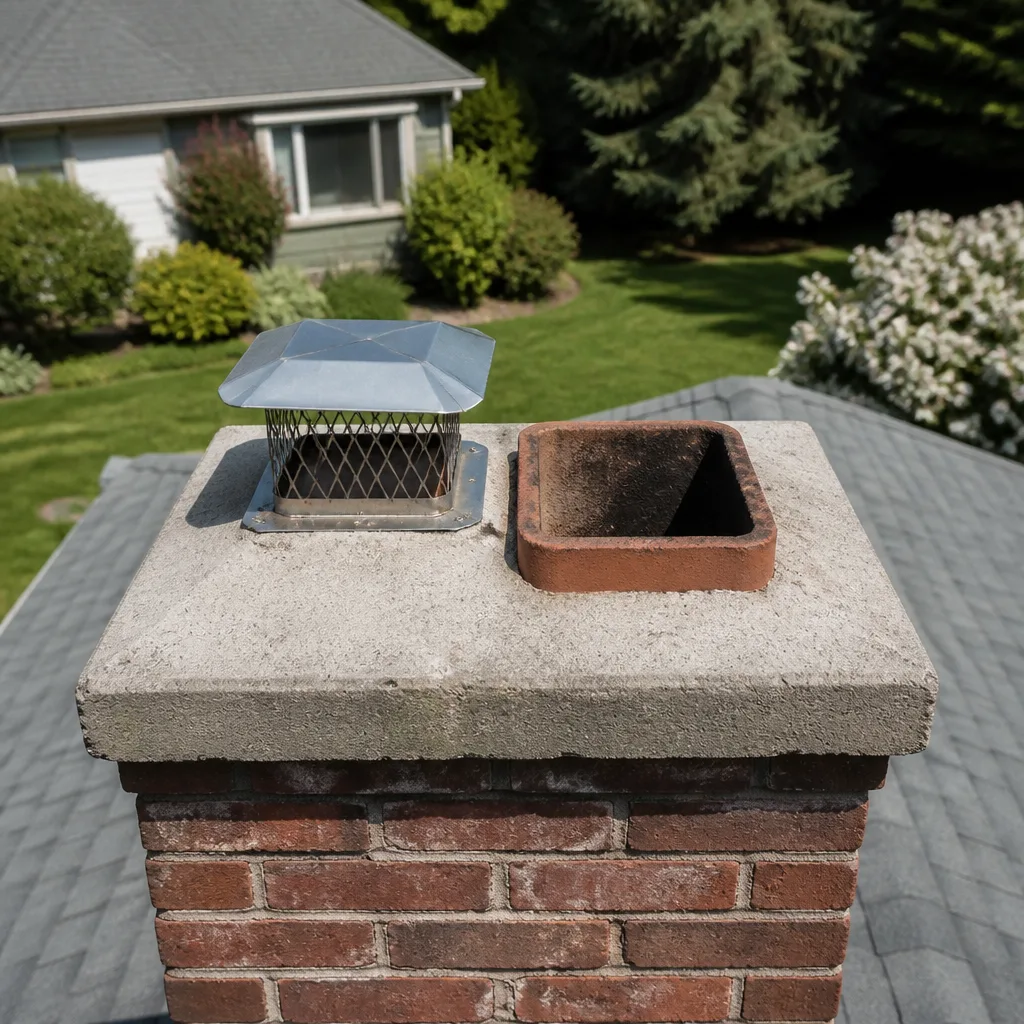 Sweep & inspection
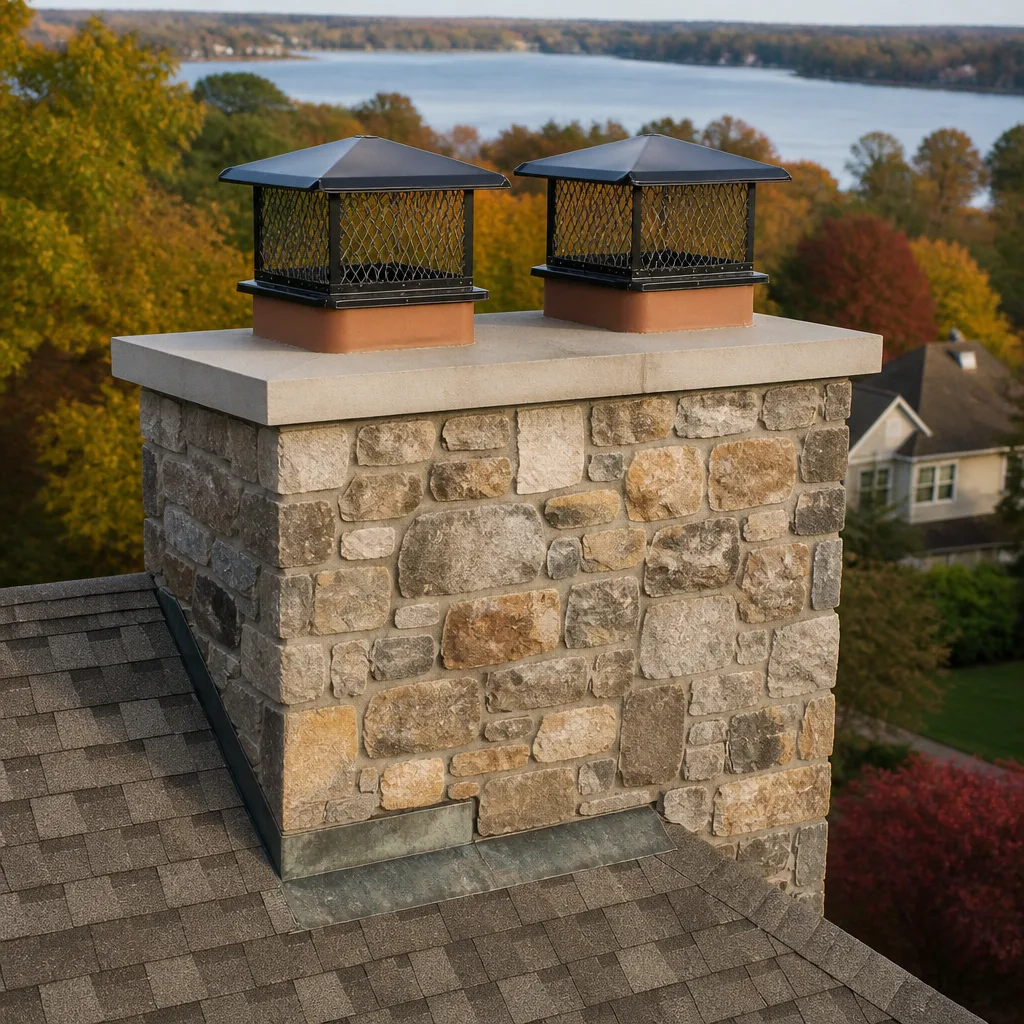 Caps & crowns
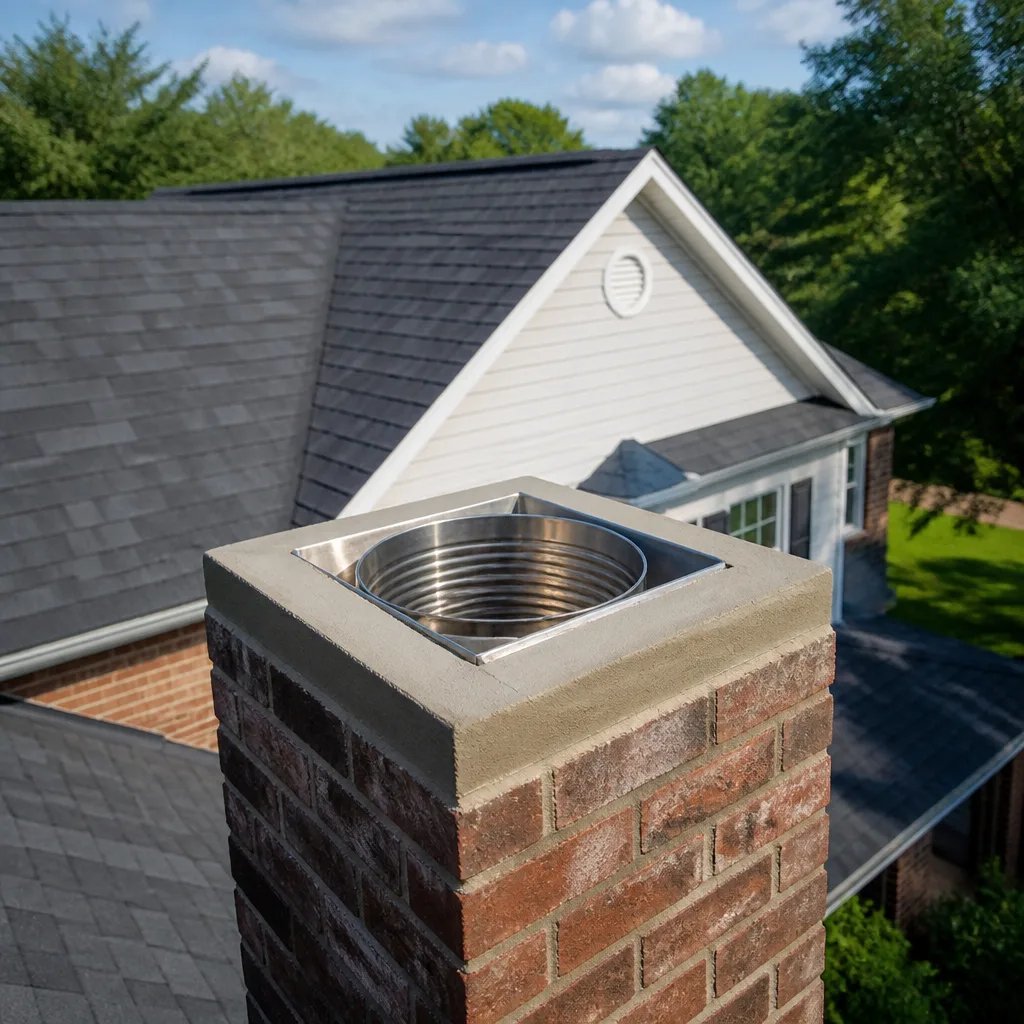 Flue relining
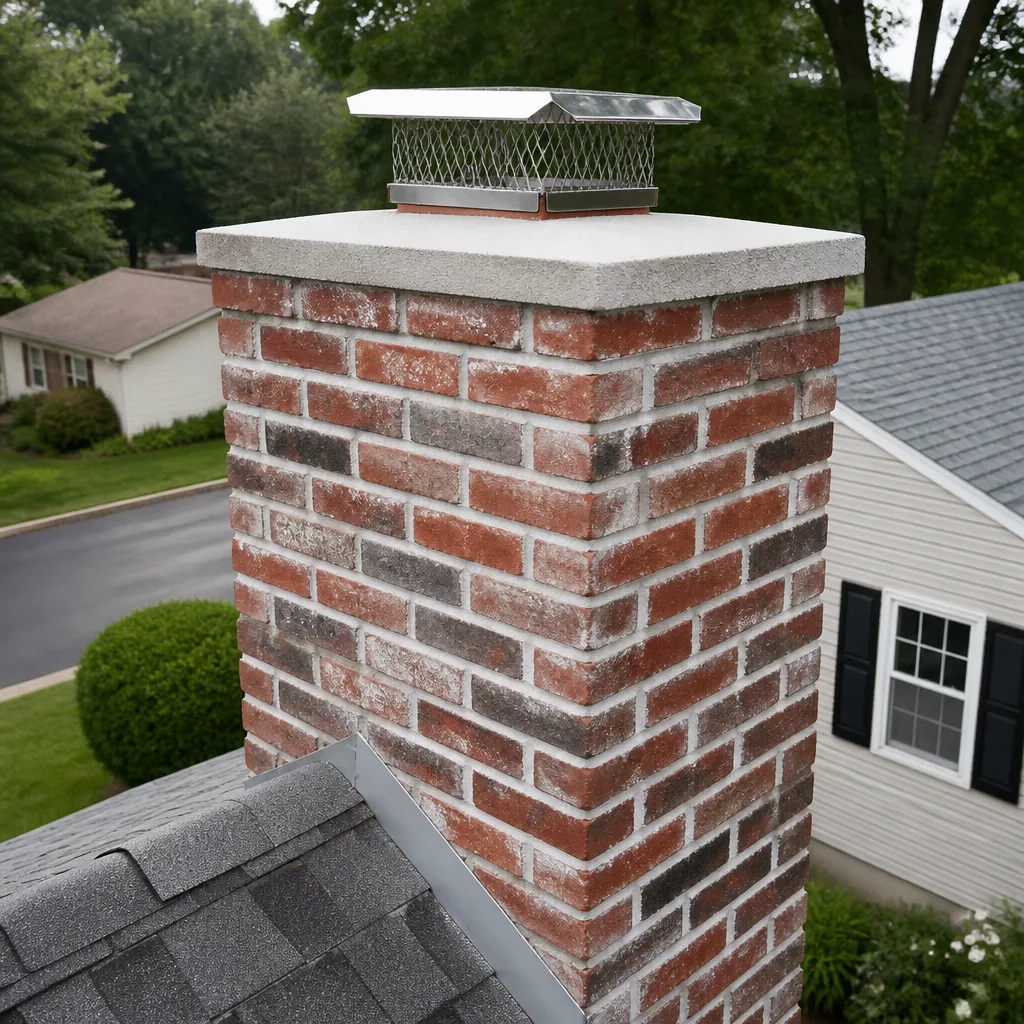 Masonry repair
 Gas fireplace service
Level 1 sweep and inspection to the NFPA 211 annual standard - flue, crown, cap, and flashing checked and photographed
Chimney sweep logs do not sweep chimneys. They loosen some creosote - which then falls where a brush and vacuum still have to collect it.
Choosing the Right Chimney Cleaning Brand: A Buyer’s Guide for Elgin
If your chimney contractor can’t tell you why they’re using DuraFlex instead of a cast-in-place system for your specific flue configuration, the material choice is probably driven by what they carry in the truck, not what your chimney actually needs. That’s the uncomfortable truth about the chimney trade: two contractors can quote the same job, use the same words on the estimate, and install products engineered to completely different standards. One is specifying for your flue, your appliance and your fuel type. The other is reaching for whatever’s on the shelf. This guide is about the first kind. We’ll walk through the material brands you’ll encounter in Elgin – DuraFlex, HeatShield, Copperfield and more – explain what each is actually engineered for, and show you how to read a written estimate so you can tell a real specification from a vague line item.
Quick Answer
Choosing the right chimney brand means matching the product to your appliance, fuel type and flue condition – not picking the most familiar name. DuraFlex is a flexible stainless liner system engineered for gas, oil and wood applications; HeatShield is a cast-in-place restoration material for liners that are deteriorating but still structurally sound; Copperfield covers cleaning tools and accessories rather than structural repair. A legitimate estimate names the product, its grade or model, the linear footage and the installation method. If it just says “liner installed,” you don’t have a specification – you have a promise.
Styles & brands we work with
- Sweep & inspection
- Caps & crowns
- Flue relining
- Masonry repair
- Gas fireplace service
Table of Contents
- Why Chimney Material Brands Matter More Than Most Homeowners Realize
- DuraFlex Liner Systems: Corrugated Stainless and the Elgin Thermal Cycle
- HeatShield Restoration: When Resurfacing Beats Replacement
- Copperfield: Cleaning Tools, Accessories and Where the Line Sits
- How to Read a Material Specification on a Written Estimate
- Matching the Material to the Appliance: Wood Stove vs. Gas Insert
- Caps, Covers and Weatherproofing: The Overlooked Brand Decision
- Questions to Ask Before You Sign
Why Chimney Material Brands Matter More Than Most Homeowners Realize
Most homeowners treat chimney brands the way they treat paint brands – as long as the color matches, who cares. Chimney materials don’t work that way. A liner is a component engineered to contain combustion byproducts at temperatures that can exceed what the appliance was designed to produce during a chimney fire. The grade of stainless, the wall thickness, the joint construction and the way the material handles expansion all determine whether it performs as intended over a heating season and beyond.
In Elgin, the stakes are specific. Our winters swing between hard freezes and thaws, often within a week. That cycle works on metal. Stainless liners expand when they heat up and contract when they cool, and a product engineered for that flex – or one that isn’t – behaves very differently after a few seasons. A cast-in-place product and a flexible stainless system handle that cycling in completely different ways. Neither is universally “better.” Each is correct in a specific set of conditions.
This is why brand matters. Not because DuraFlex or HeatShield has better marketing, but because each product was engineered for a defined application, a defined fuel type and a defined flue condition. When a contractor specifies correctly, the product choice follows from what your chimney actually is. When they specify by habit, the material choice follows from what’s in the truck. Those produce very different outcomes five years down the road.
The other reason to care: traceability. A named product with a model or grade can be looked up, verified against manufacturer specifications, and checked against what the installer said they’d use. An anonymous substitute cannot. When we quote a repair, we name the product and the installation method, because a homeowner who can look it up is a homeowner who can hold the work to a real standard.
DuraFlex Liner Systems: Corrugated Stainless and the Elgin Thermal Cycle
DuraFlex is a flexible stainless steel liner system, and it’s one of the workhorses of the relining trade. The core of the product is corrugated stainless – the corrugation is what lets the liner flex through offsets, bends and the irregular paths older masonry chimneys often take. That same corrugation is also what makes the product interesting from an engineering standpoint.
When a liner flexes, it absorbs thermal expansion instead of resisting it. In a climate like Elgin’s, where the flue goes from cold to hot and back repeatedly through the heating season, that flex is doing real work. A rigid liner in the same application doesn’t flex; it builds stress at the joints and connections. That’s not automatically a failure, but it’s a reason DuraFlex is specified in a lot of wood-burning relines around here.
What to look for on a DuraFlex specification:
- Fuel type compatibility. DuraFlex systems are available in configurations engineered for gas, oil and wood. A liner specified for a natural gas appliance is not the same product as one specified for a wood stove. The gauge and construction differ because the operating conditions differ.
- Wall thickness and gauge. The stainless wall thickness matters. A thicker-wall liner is generally specified where the flue condition is more demanding. Ask your contractor what gauge they’re specifying and why.
- Insulation requirements. In many applications, the liner is wrapped in insulation before installation. Whether insulation is specified – and what type – affects performance and clearances.
- Linear footage and termination. The estimate should state the footage and describe how the liner terminates at the top and bottom.
DuraFlex is one of the systems we install when relining is the right answer. It’s also one of the reasons a homeowner can compare two quotes and see whether they’re actually being compared – because a DuraFlex quote and a “liner installed” quote are not the same document. When a chimney sweep in Elgin hands you a quote, the brand name and grade are the first thing to look for.
HeatShield Restoration: When Resurfacing Beats Replacement
HeatShield is a cast-in-place flue restoration system used to resurface a liner that’s deteriorating but still structurally intact. It’s a professional-grade product, and it’s the kind of thing you won’t find at a general hardware store. That’s not a knock on hardware stores – it’s a note that this is specialized work, applied by trained technicians using purpose-built tooling.
The core question HeatShield answers is: when does a chimney need a full liner replacement, and when can it be restored? Those are different jobs with different costs, and the honest answer depends on the condition of the flue.
HeatShield is typically appropriate when:
- The existing liner has cracks, spalling or surface deterioration but the structure behind it is sound.
- The flue is properly sized for the appliance and doesn’t need to be resized.
- The damage is at the surface level – the kind of deterioration that comes from years of use, moisture and thermal stress – rather than a collapsed or displaced section.
Full liner replacement is typically required when:
- Sections of the liner are missing, collapsed or displaced.
- The flue is oversized or undersized for the appliance and needs to be brought to the correct size.
- The structure behind the liner is compromised, so resurfacing would just be coating over a bigger problem.
That distinction matters to a homeowner because the cost difference between restoration and replacement is real, and the wrong call either way is money wasted. A contractor who only stocks one product will always recommend that product. A contractor who can do both will tell you which one your flue actually qualifies for. HeatShield is on our service menu precisely so a lining issue doesn’t automatically become a full replacement.
Copperfield: Cleaning Tools, Accessories and Where the Line Sits
Copperfield is a familiar name in the chimney trade, and it’s worth being clear about what it covers. Copperfield makes chimney cleaning supplies and accessories – brushes, rods, and the tooling that goes with a professional sweep – along with related products. It’s not a structural repair line in the way DuraFlex or HeatShield are. That distinction is actually useful to a homeowner, because it tells you what a contractor is buying when they name that brand.
If your contractor mentions Copperfield, they’re likely talking about the tools used to clean the flue, not the materials used to repair it. That’s a good sign in one sense – it means they’re using purpose-made chimney cleaning equipment rather than improvising. A proper sweep uses brushes sized to the flue to remove creosote without damaging the liner. The wrong brush on the wrong liner can do damage, and the right tool matters.
What Copperfield doesn’t tell you is anything about the repair materials a contractor would use. So when you’re evaluating a repair estimate, look past the cleaning brand and check what’s named for the structural work. A quote that mentions a cleaning brand but leaves the repair materials vague is a quote that hasn’t told you what’s going into your chimney. The tools and the materials are two different decisions, and both should be specific.
For homeowners in Elgin, this comes up more than you’d expect. Someone gets a quote that lists a recognizable tool brand and assumes the repair materials are handled. They’re not. Ask directly: what liner or restoration product are you specifying, and what grade?
How to Read a Material Specification on a Written Estimate
A written estimate is a document you can compare against another one. A vague estimate is a document you can’t. The difference usually comes down to whether the contractor spelled out what’s going in – and a good one will.
Here’s what a legitimate repair proposal for a chimney in Elgin should list:
- Product name. The specific brand – DuraFlex, HeatShield, Olympia Chimney for liner systems. Not “a stainless liner.” The brand name.
- Model or grade. For a flexible liner, the grade and wall thickness. For a restoration product, the system being applied and the thickness specified.
- Linear footage. How much material is going into the flue. This is checkable against the height of the chimney.
- Installation method. How the material is being installed – the technique matters as much as the material for how the finished job performs.
- Insulation and termination. Whether an insulation wrap is specified, and how the liner is capped or connected at top and bottom.
- Scope boundaries. What the estimate covers and what it doesn’t. If a cap is included, it should be named. If it’s not, it shouldn’t surprise you later.
Read the estimate and ask yourself: could I hand this to a different contractor and have them understand exactly what’s going in my chimney? If yes, you’ve got a real specification. If it says “liner installed” and not much else, you’re being asked to trust a word instead of a product. The written estimate sets the final price, so it’s the right place to insist on specifics.
One more thing to check: does the proposal document what was found during the inspection? When we document a flue condition and recommend a repair, the recommendation should point back to something you can see – photos, camera footage, the condition described in plain terms. A repair recommendation without visible evidence is a recommendation you can’t verify. That’s the part homeowners push back on, and rightly so.
Matching the Material to the Appliance: Wood Stove vs. Gas Insert
A stainless liner specified for a wood stove is a different grade requirement than one specified for a gas insert. This is one of the clearest tells of whether your contractor is specifying or guessing. The two appliances operate at different temperatures, produce different combustion byproducts, and stress the liner differently.
Wood-burning appliances run hotter and produce creosote as a byproduct of incomplete combustion. The liner needs to handle those temperatures and the corrosive environment that comes with creosote deposits over time. Insulation is often specified because the liner needs to stay hot enough to limit creosote condensation.
Gas appliances burn cleaner but produce moisture and slightly acidic condensate. The liner is exposed to a different chemical environment and a different temperature profile. A liner engineered for a wood appliance is not automatically correct for a gas insert, even though both are “stainless liners.”
Oil appliances introduce their own considerations around flue gas composition and temperature. Again, the specification follows the fuel type.
Why this matters for Elgin specifically: a lot of homes here have a fireplace that was originally wood-burning and has since had a gas insert added, or a wood stove installed in a space where the flue wasn’t designed for it. Those are mixed-fuel situations where specifying the right liner requires understanding both what the appliance is and what the flue can support. A contractor who doesn’t distinguish between fuels can’t be relied on to specify correctly, and that’s a liability that follows the install for the life of the liner. Ask which fuel type the specified liner is rated for, and why.
Caps, Covers and Weatherproofing: The Overlooked Brand Decision
The chimney cap is the most overlooked brand decision on the whole job. Most homeowners think of it as a piece of metal that keeps the rain out. It’s actually the component that does most of the weatherproofing and critter exclusion for the flue, and the difference between a proper cap and a cheap one shows up within a few seasons.
A properly specified cap keeps water out of the flue, keeps animals from nesting in it, and provides spark containment. In a climate like Elgin’s – where wind-driven snow, freeze-thaw cycles and heavy summer rain all work on the top of the chimney – the cap takes the brunt of it. A flimsy cap deforms, a poorly fitted cap leaks, and a missing cap lets squirrels and birds in.
Famco is one of the brands we install for caps and covers, and it’s a name you can look up. Gelco is another on our list for chimney caps and covers. Both are chimney-industry brands, which means the products were engineered for chimney applications rather than adapted from general sheet metal work. When a repair is being done, the cap should be part of the conversation – not an afterthought. A cap that doesn’t seal correctly lets water into the flue, and water is one of the main reasons liners deteriorate in the first place.
If a repair estimate doesn’t mention the cap, ask about it. A reline without a proper cap at the top is a job that’s not quite finished.
Questions to Ask Before You Sign
You don’t need to be a chimney expert to evaluate a contractor. You need to ask the right questions and notice whether the answers are specific or vague. Here are the ones we think matter most:
- What product are you specifying, and what grade? A real answer names a brand and a spec. “A good stainless liner” is not a real answer.
- Why that product for my flue? The answer should reference your flue’s condition, size, fuel type and appliance. If it doesn’t, the product isn’t the reason.
- Is my liner a candidate for restoration or does it need replacement? If a contractor only offers one option, ask why the other isn’t on the table. HeatShield or a full reline isn’t always a both-ways choice, but the contractor should be able to explain why.
- Can I see what you found? Inspection findings should be visible – photos, camera footage, a plain-language description of the condition.
- Is the cap included? Weatherproofing is part of the job, not a separate upsell you discover later.
- Will the same company do the sweep, the inspection and the repair? One company handling all three means the findings are addressed by the people who diagnosed them.
We work with a defined set of chimney-industry brands – DuraFlex, HeatShield, Gelco, Olympia Chimney, Famco and Copperfield – because these are products we can point to by name, match to the application, and stand behind with manufacturer specifications. Our technicians have up to 11 years of experience specifying and installing these materials, and the sweep, inspection and repair are all handled by the same company, so nothing gets handed off. For a closer look at how a chimney sweep in Elgin works from first appointment to final report, the process starts with an inspection and a documented set of findings.
Common Mistakes to Avoid
- Accepting a quote that doesn’t name the material. “Liner installed” tells you nothing about the grade, the footage or the method. Ask for the specification in writing before you sign anything.
- Assuming a cheap liner is the same liner at a lower price. A thin-wall liner and a properly specified thicker-wall liner can look similar from the outside and perform completely differently over a few Elgin winters.
- Skipping the inspection before agreeing to a repair. If a contractor recommends a reline without showing you what the flue looks like inside, you don’t have evidence – you have a recommendation. Ask to see it.
- Treating a liners-only contractor as a full-service one. A company that only sweeps and relines may not be able to offer restoration options, and that can push a job toward replacement that didn’t need to happen.
- Letting the cap slide off the scope. A reline without a correctly installed cap lets water and animals in, and both cause the exact problems the reline was meant to solve.
- Ignoring the fuel-type question. A liner specified for wood and installed on a gas insert – or the other way around – is a mismatch that follows the install for years. Ask which fuel the liner is rated for.
- Comparing quotes without comparing scope. Two estimates can look similar on price and be completely different in what they include. Compare the specification line by line, not the total.
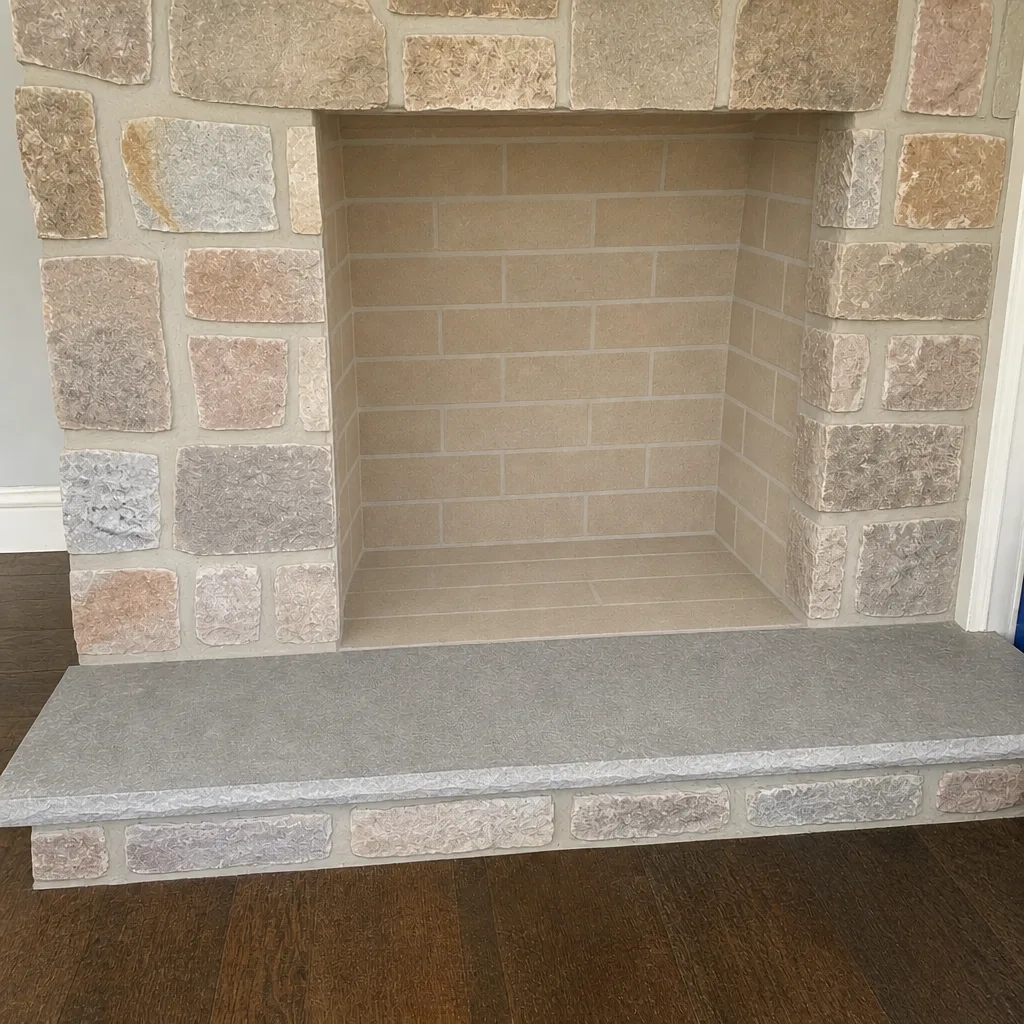
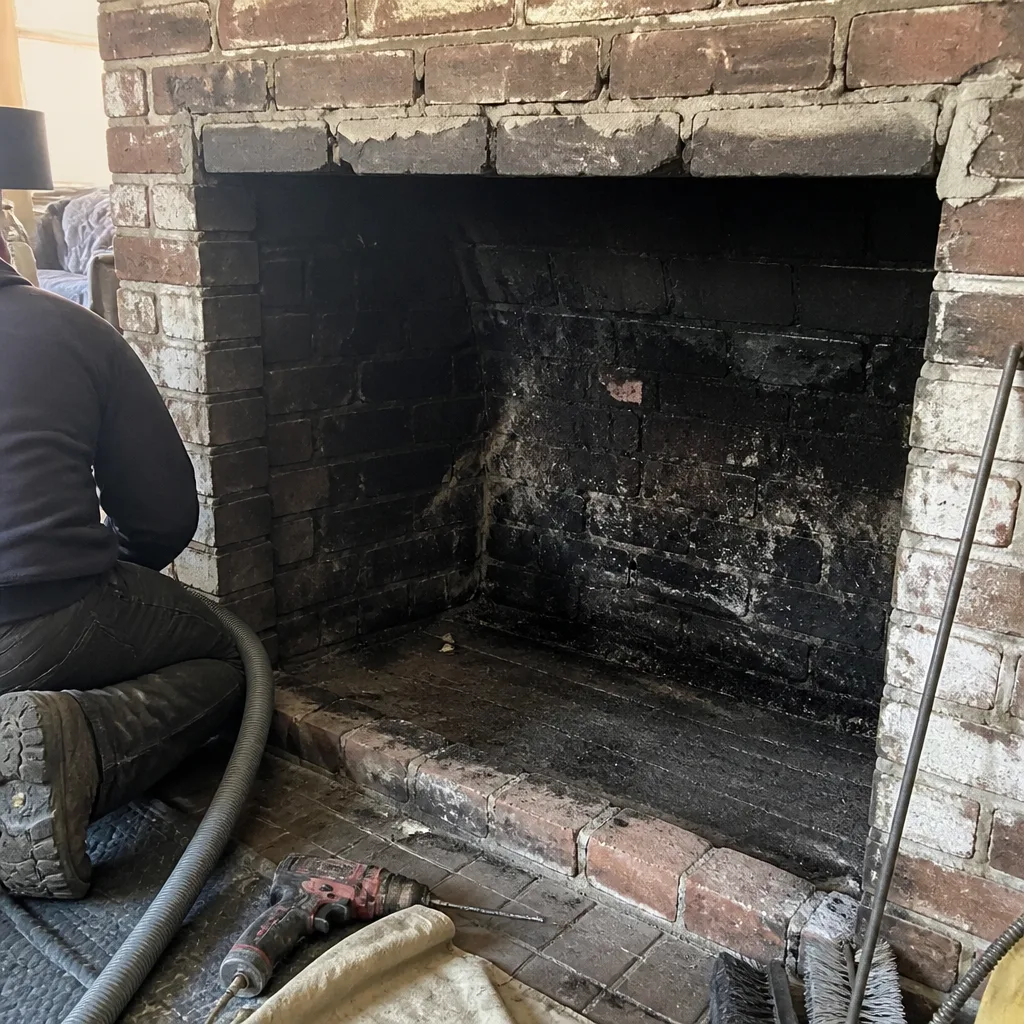
See the difference
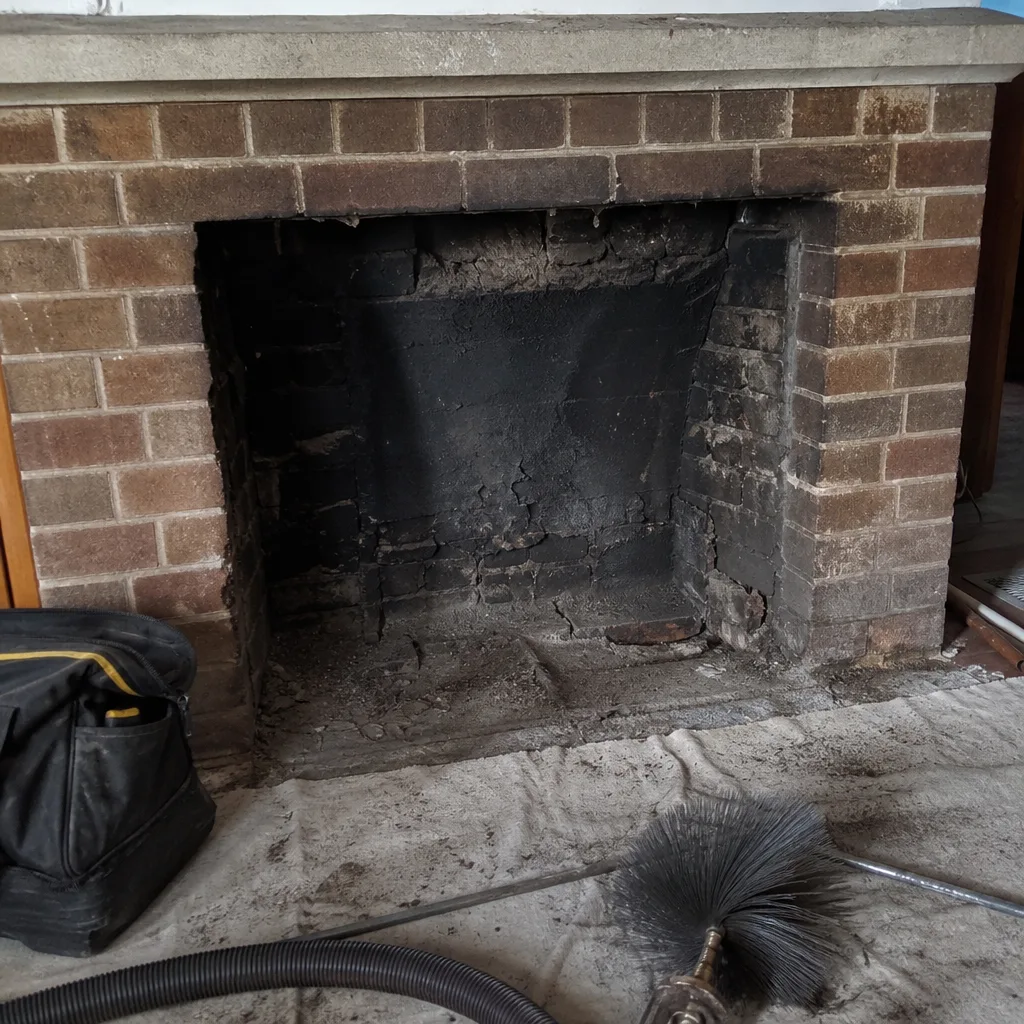 Before
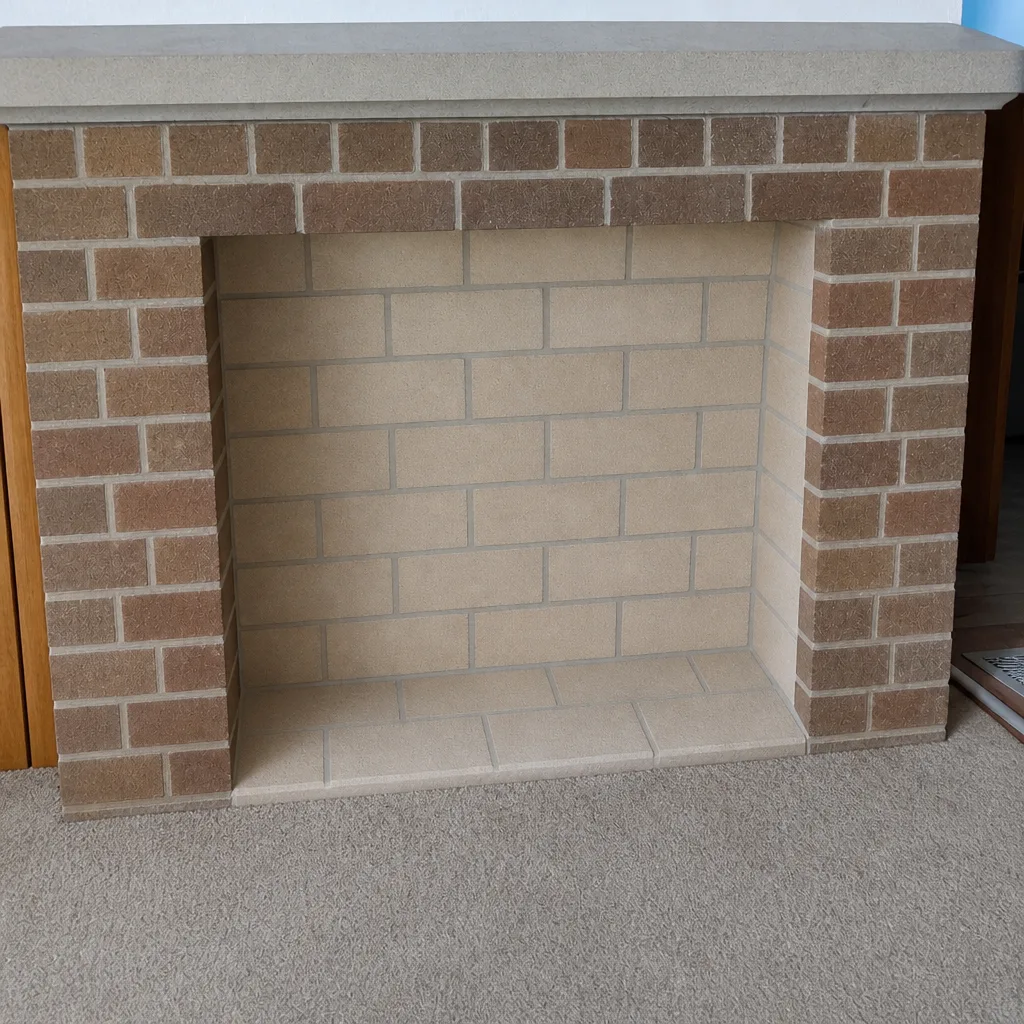 After
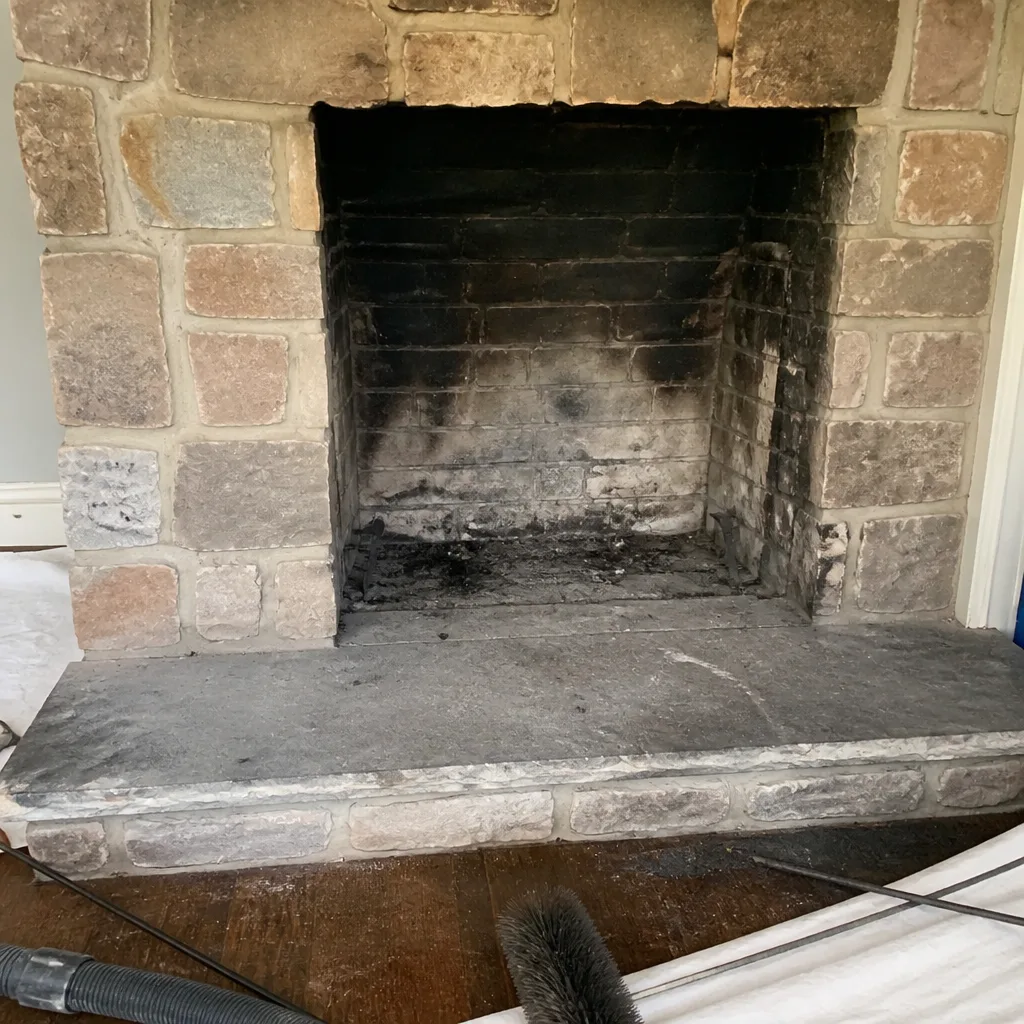 Before
 After
 Before
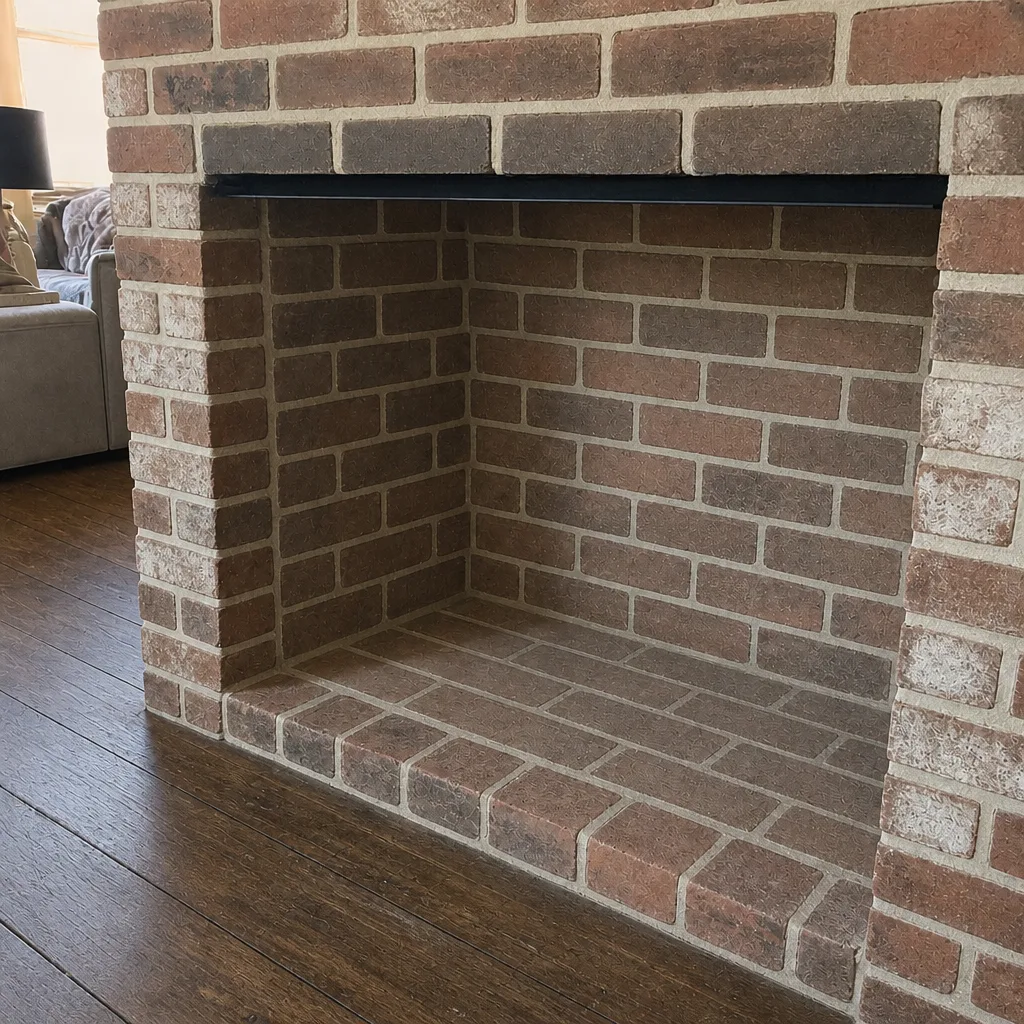 After
When to Call a Professional
Some chimney work is routine, and some of it shouldn’t be a homeowner’s project. If your flue has visible cracks or damage, if your liner is missing sections, if you smell a strong creosote odor when the fireplace isn’t in use, or if you’ve had a chimney fire at any point – those are calls for a professional. High-tension springs, electrical work at the appliance and gas connections are not homeowner jobs; a trained technician should handle them. If your annual sweep turns up something the sweep can’t address, that’s the moment to stop and get a full inspection before deciding what’s next. Chimney Sweep Elgin offers free estimates in Elgin – we’ll document what we find, tell you plainly when a repair can wait and when it can’t, and specify exactly what’s going into your chimney. Call (877) 382-6902. We answer 24/7. Fast dispatch from 7am to 7pm, Sunday through Friday.
Frequently Asked Questions
Brands matter because materials are engineered to different standards. DuraFlex and Olympia Chimney systems are specified for particular fuel types and flue conditions; HeatShield is a restoration product for a specific range of liner conditions. A different brand and grade can mean a different wall thickness, a different construction and different performance over the life of the flue. When a contractor names the product and the grade, you can look it up and compare it against what the job actually needs.
HeatShield is typically appropriate when the liner has surface-level deterioration – cracks, spalling, loss of integrity at the surface – but the structure behind it is sound and the flue is sized correctly for the appliance. Full replacement is typically required when sections are missing, collapsed or displaced, when the flue needs resizing, or when the underlying structure is compromised. The right call depends on what the inspection finds, so it’s worth asking a contractor to show you. If you’re in Elgin and want that looked at, call (877) 382-6902 for a free estimate.
Compare the product name, the grade or model, the linear footage and the installation method – not just the total price. A quote naming DuraFlex in a specific grade with footage and termination details is comparable against another spec. A vague quote can’t be compared against anything, so ask the lower one to specify before you decide. The written estimate sets the final price, so it’s the right place to get specific.
It does, because the cap is the component doing most of the weatherproofing on top of the chimney. In Elgin’s climate – freeze-thaw cycles, wind-driven snow, heavy summer rain – a flimsy or poorly fitted cap deforms, leaks and lets animals in. We install Gelco and Famco caps specifically because they’re chimney-industry products engineered for the application. If a repair estimate doesn’t mention the cap, ask.
The two appliances operate at different temperatures and produce different combustion byproducts, so the liner is exposed to a different environment in each case. A liner specified for a wood stove is rated for the heat and the creosote exposure a wood-burning appliance produces; a gas appliance produces moisture and slightly acidic condensate that a different specification handles. A contractor who can’t explain which fuel type your liner is rated for isn’t specifying correctly. Call (877) 382-6902 if you’d like yours checked.
Yes, and it’s worth asking for it. When the same company does all three, the findings from the inspection are addressed by the people who documented them, using materials they can name and match to the job. At Chimney Sweep Elgin, the sweep, inspection and repair are handled by us – we don’t hand off the findings to a different contractor. For the full overview, start with the Chimney Sweep Elgin.
A proper estimate names the product, grade or model, linear footage and installation method, plus scope boundaries like whether the cap is included. It should also be backed by inspection findings you can see. If the estimate is missing those specifics, ask for them before you commit. Call (877) 382-6902 for a free estimate that comes with the specification spelled out.
The Bottom Line
The right chimney brand isn’t the most familiar one – it’s the one engineered for your flue, your appliance and your fuel type, specified by a contractor who can explain why. DuraFlex for flexible stainless relining, HeatShield for restoration when the liner still qualifies, Copperfield for cleaning tools, Gelco and Famco for caps that actually seal the top. Read the specification on the written estimate, ask which fuel type your liner is rated for, and ask to see the findings that led to the recommendation. When the sweep, the inspection and the chimney repair come from the same company, you’ve got one chain of accountability instead of three. If you’re in Elgin, or anywhere nearby in the Elgin area, we’ll document what we find and specify exactly what’s going into your chimney.
Call (877) 382-6902 for a free estimate. We answer 24/7. Fast dispatch from 7am to 7pm, Sunday through Friday.
Written by the team at Chimney Sweep Elgin.