
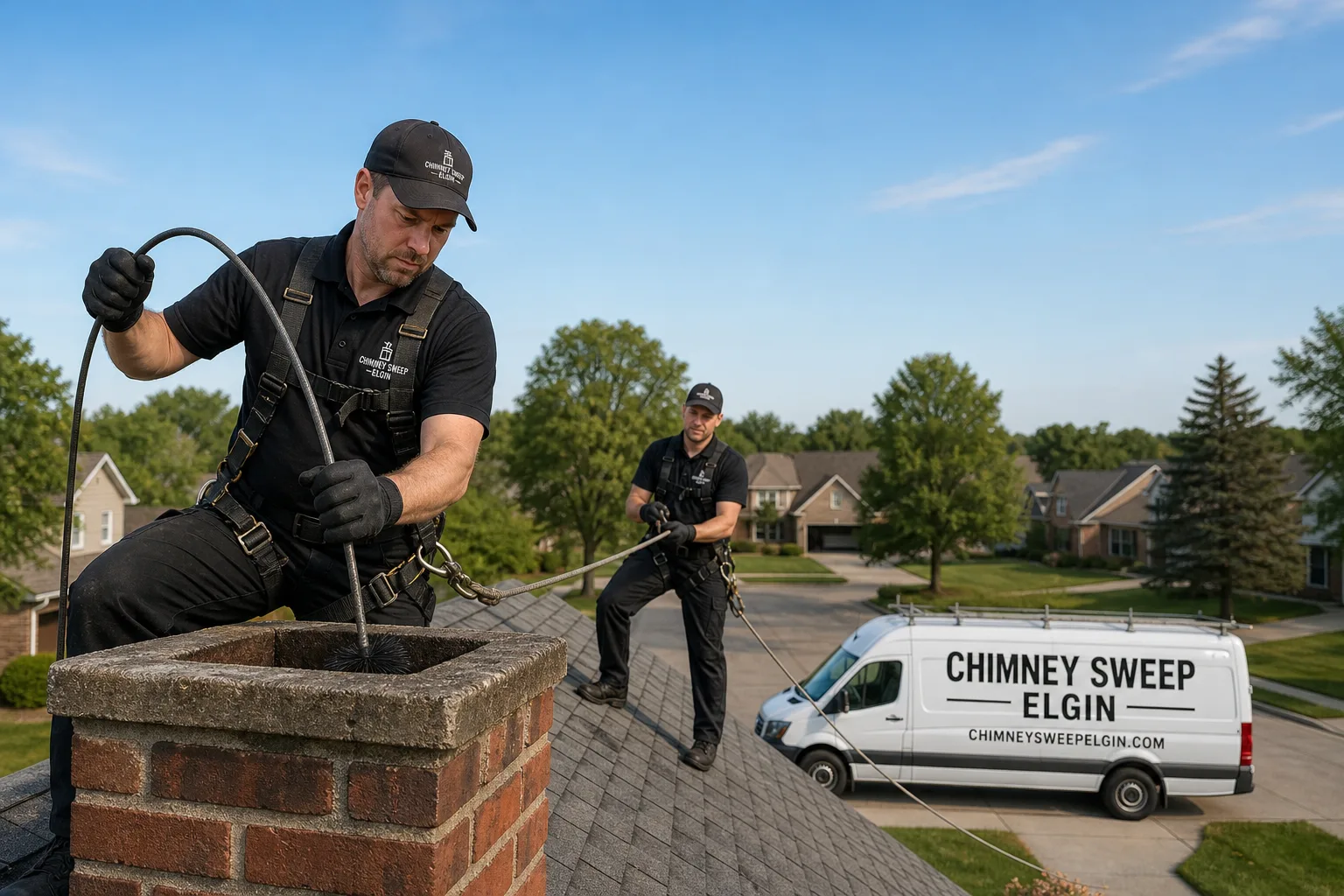
 Sweep & inspection
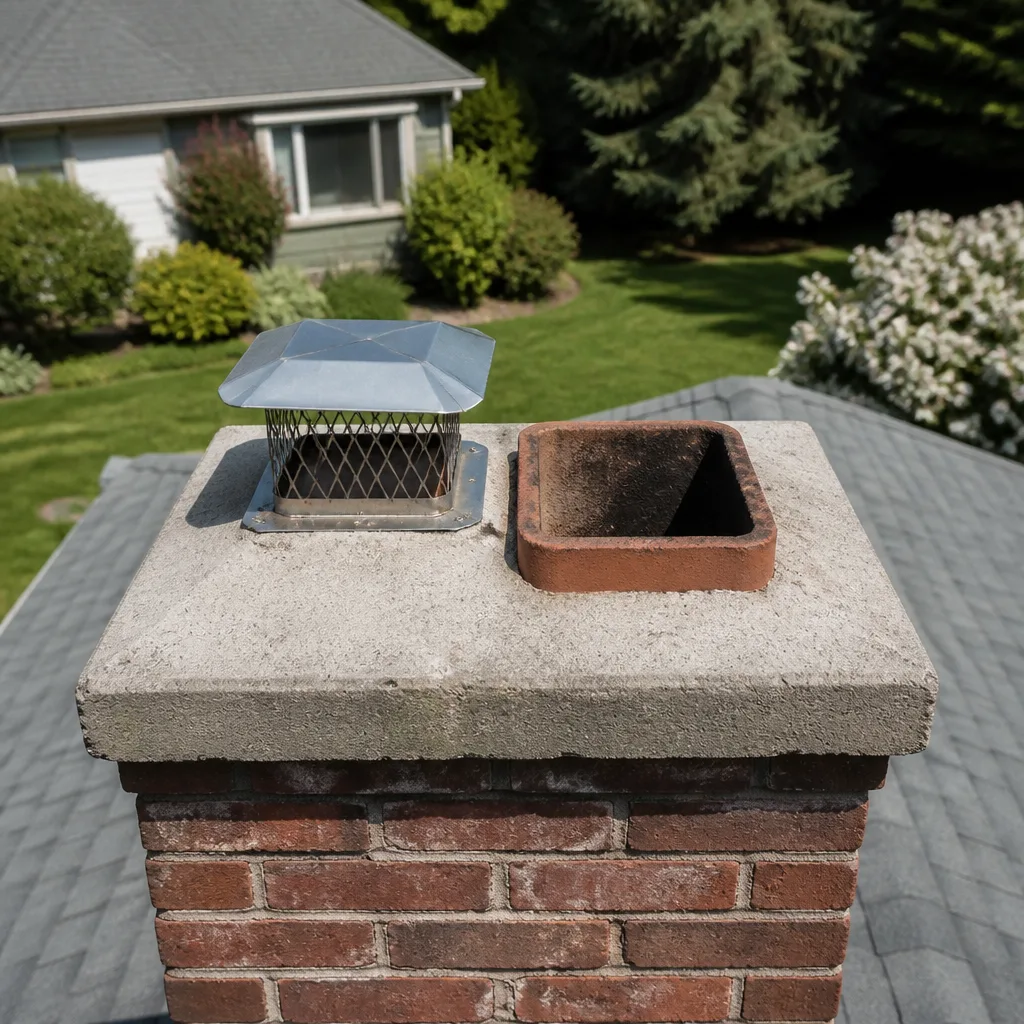
 Caps & crowns
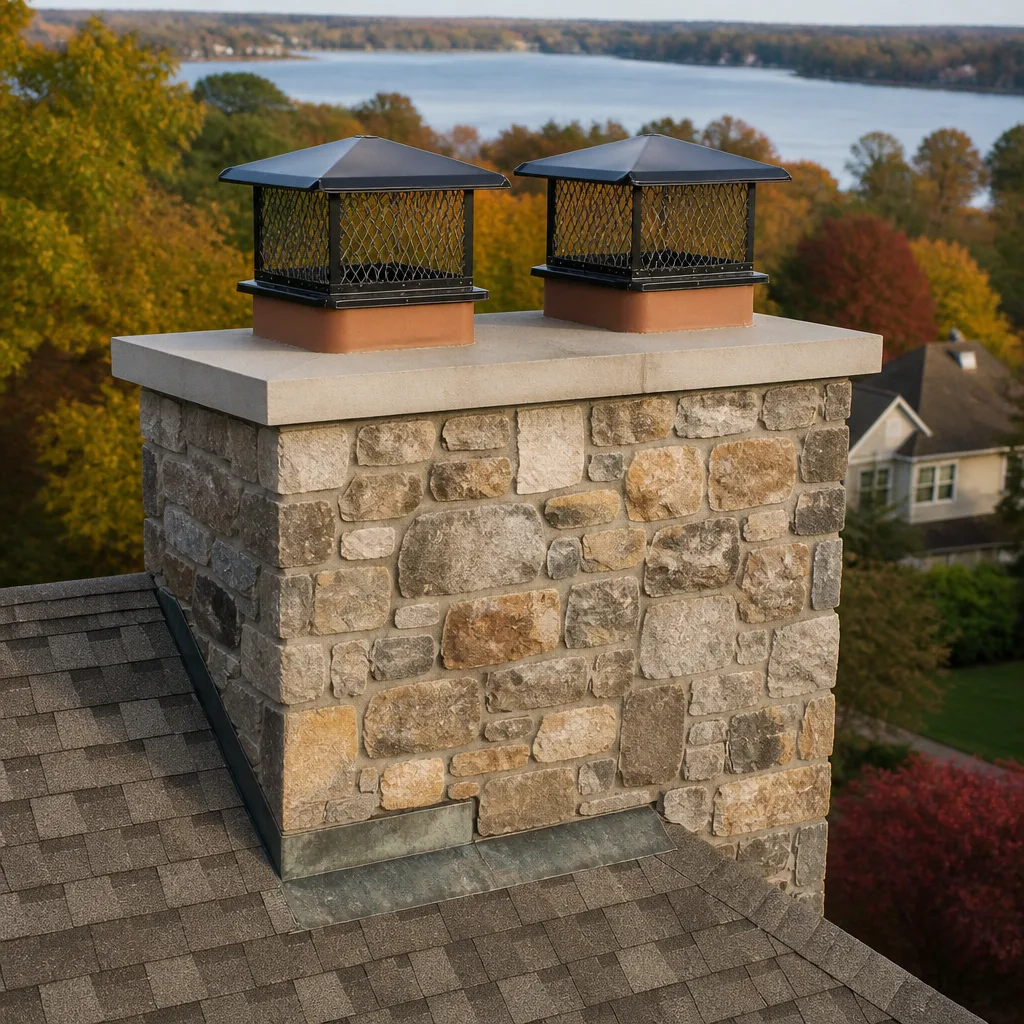
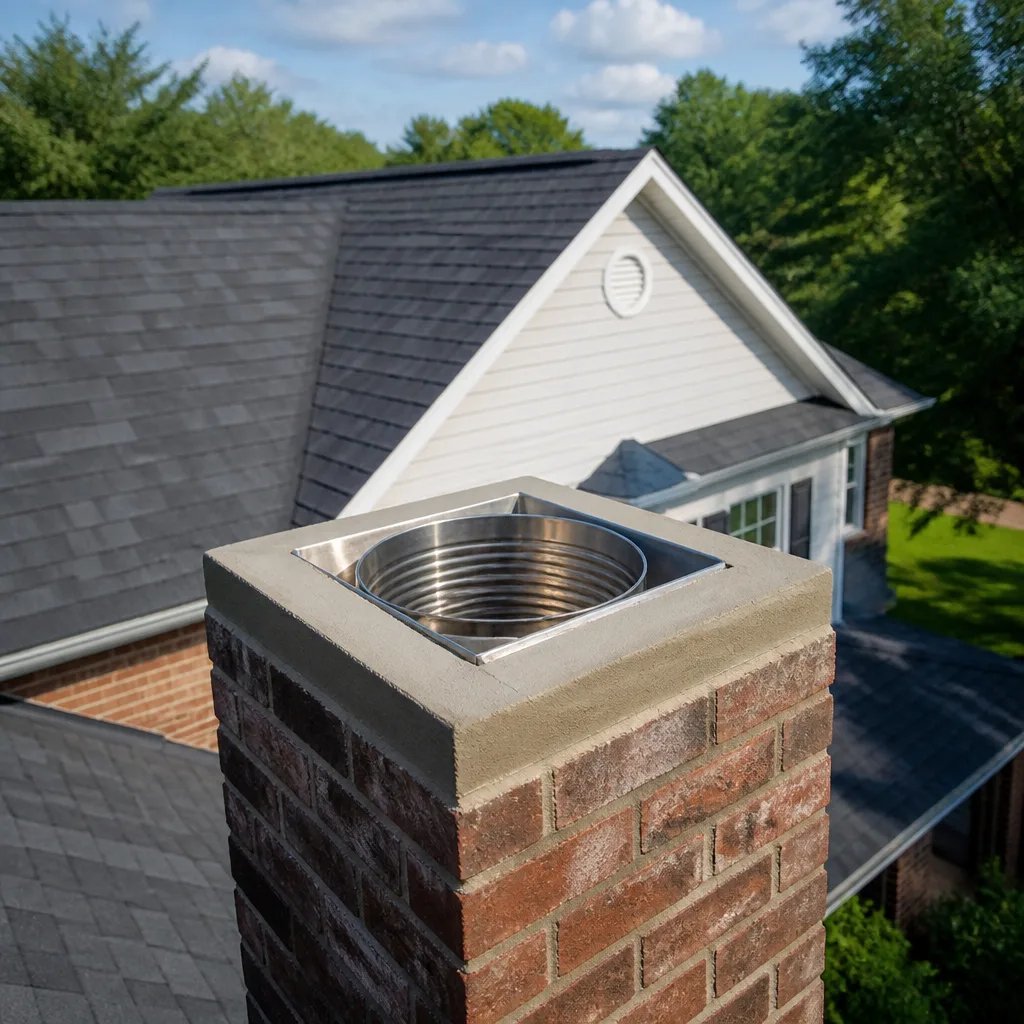 Flue relining
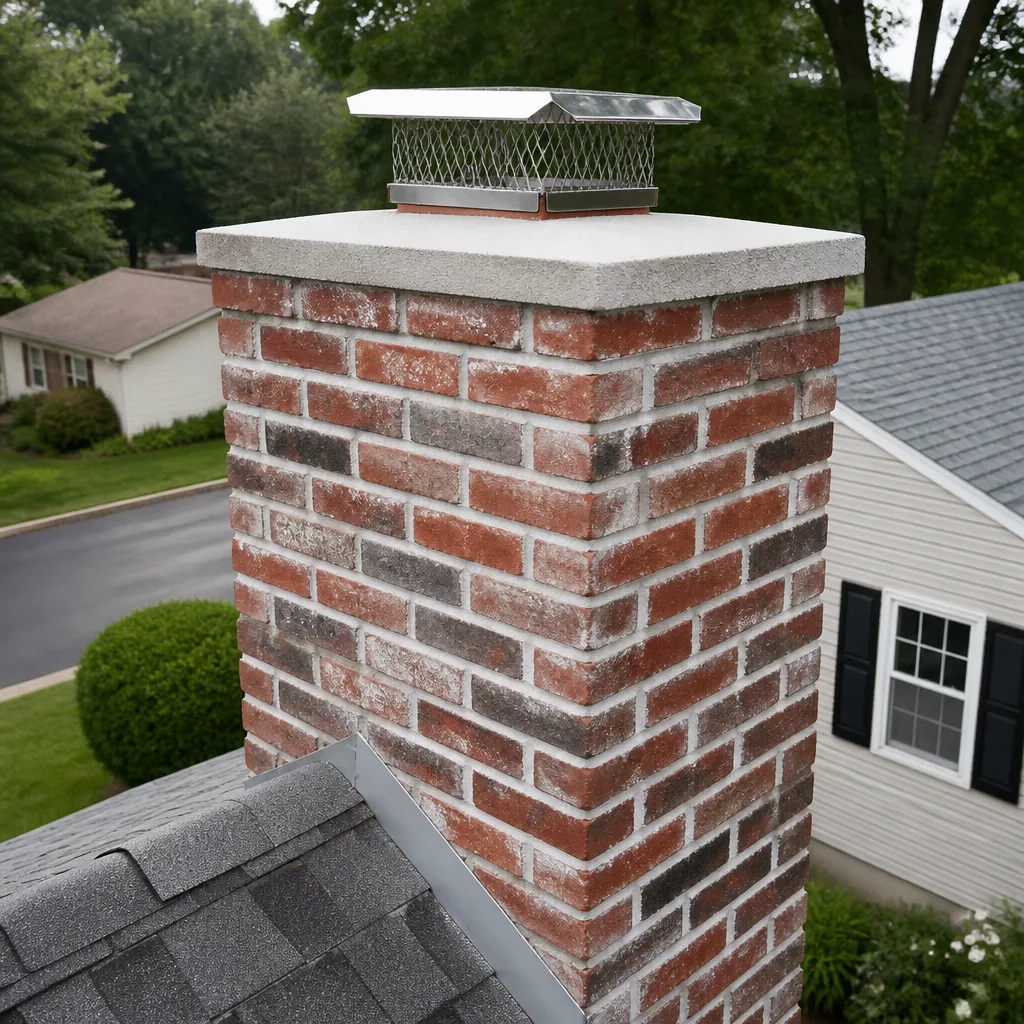 Masonry repair
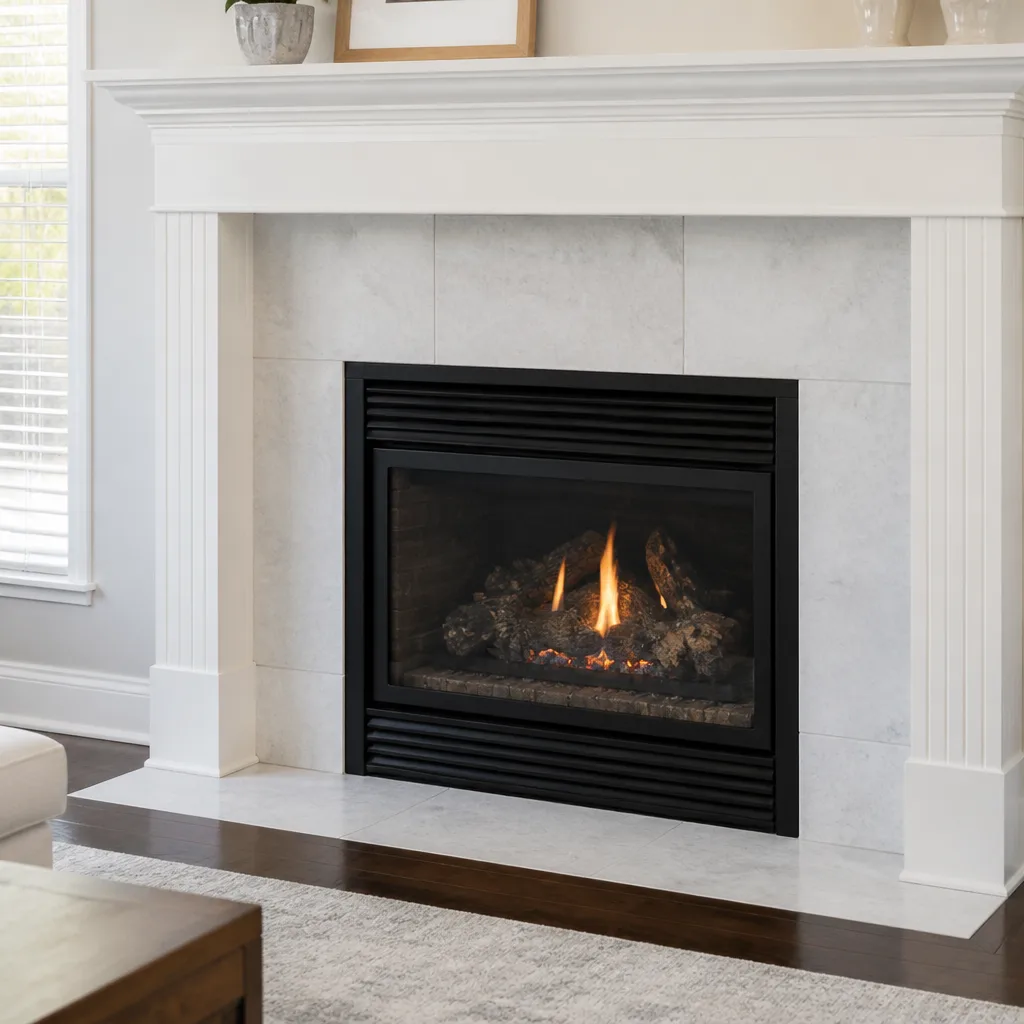 Gas fireplace service
Level 1 sweep and inspection to the NFPA 211 annual standard - flue, crown, cap, and flashing checked and photographed
Chimney sweep logs do not sweep chimneys. They loosen some creosote - which then falls where a brush and vacuum still have to collect it.
Trusted Chimney Inspection for Elgin Homeowners
An Elgin chimney takes a hard seasonal swing: a long heating season burning wood or running a gas appliance, then months of freeze-thaw on the masonry above the roofline. That cycle is where most trouble starts – cracked crowns, spalled brick, creosote that has baked onto the flue walls, and hairline gaps around the flashing that only show up when rain drives sideways. An inspection is how you find those conditions before they turn into a chimney fire, a carbon monoxide path into the house, or a repair that costs far more than it should have.
Our technicians have up to 11 years of experience reading exactly these conditions, and every inspection ends with a camera record and a written report you keep. We don’t guess, and we don’t recommend liner work you can’t verify with your own eyes on the screen. If the flue is sound, we tell you that too. Call (877) 382-6902 to book your inspection. We answer 24/7, with fast dispatch from 7am to 7pm, Sunday through Friday.
One company handles the sweep, the inspection, and the repair that follows, so nothing gets handed off to a second contractor. Our work draws on recognized chimney-industry brands – DuraFlex, HeatShield, Gelco, Olympia Chimney, Famco, and Copperfield – not anonymous hardware-store substitutes. You can look up every material we specify before you approve the job.
Fireplace Inspection
Fireplace Inspection covers the firebox, damper, smoke shelf, hearth, and the first few feet of flue directly above the fire – the parts of the system you actually see and load every night. You need one when you move into a house with a fireplace you’ve never burned, when smoke rolls into the room instead of up the chimney, after a chimney fire, or any time a sweep turns up something that needs a closer look. We check the firebox for cracked refractory panels and open mortar joints, test the damper for a tight seal and smooth travel, and confirm the smoke chamber doesn’t have ledges that catch creosote. A standard inspection runs roughly $150-$350 depending on how much of the assembly needs close examination and whether camera work is added. Call (877) 382-6902 for an exact quote.
Firebox and Damper Checks
A firebox that has lost refractory material lets heat reach the masonry behind it, which is how a fireplace quietly damages its own surround. We probe the joints and look for gaps a casual glance misses. The damper gets cycled open and closed to confirm it seats flat, because a warped damper wastes heat up the flue all winter.
Smoke Chamber and Hearth Review
The smoke chamber is the sloped transition above the damper, and when it’s rough or oversized, smoke stalls and spills into the room. We assess the shape and parging condition, then check the hearth and any hearth extension for clearance problems. If the fireplace has an insert, we confirm the connection at the flue collar while we’re there.
Styles & brands we work with
- Sweep & inspection
- Caps & crowns
- Flue relining
- Masonry repair
- Gas fireplace service
Chimney Inspection Services
Chimney Inspection Services at Chimney Sweep Elgin are built around the trade-standard three levels of inspection, and we tell you up front which level your situation calls for so you’re not paying for more than you need. A routine annual check is a Level 1. Buying or selling a home, a change in fuel type or appliance, an earthquake or a chimney fire calls for a Level 2. A Level 3 happens only when a hidden hazard has to be opened up. Every visit includes a visual survey of the exterior, the firebox, the flue, and the cap, plus photos of anything we flag. Pricing runs about $150-$450 across those levels, with the camera-equipped inspection at the upper end. Estimates are free, and the written estimate sets the final price.
Annual and Routine Checks
Once a year is the right rhythm for a chimney you burn in regularly, and it pairs naturally with a cleaning so the flue is clear when we assess it. We note changes from the previous visit instead of starting cold each time. Small shifts in mortar or flashing are far easier to catch before they spread.
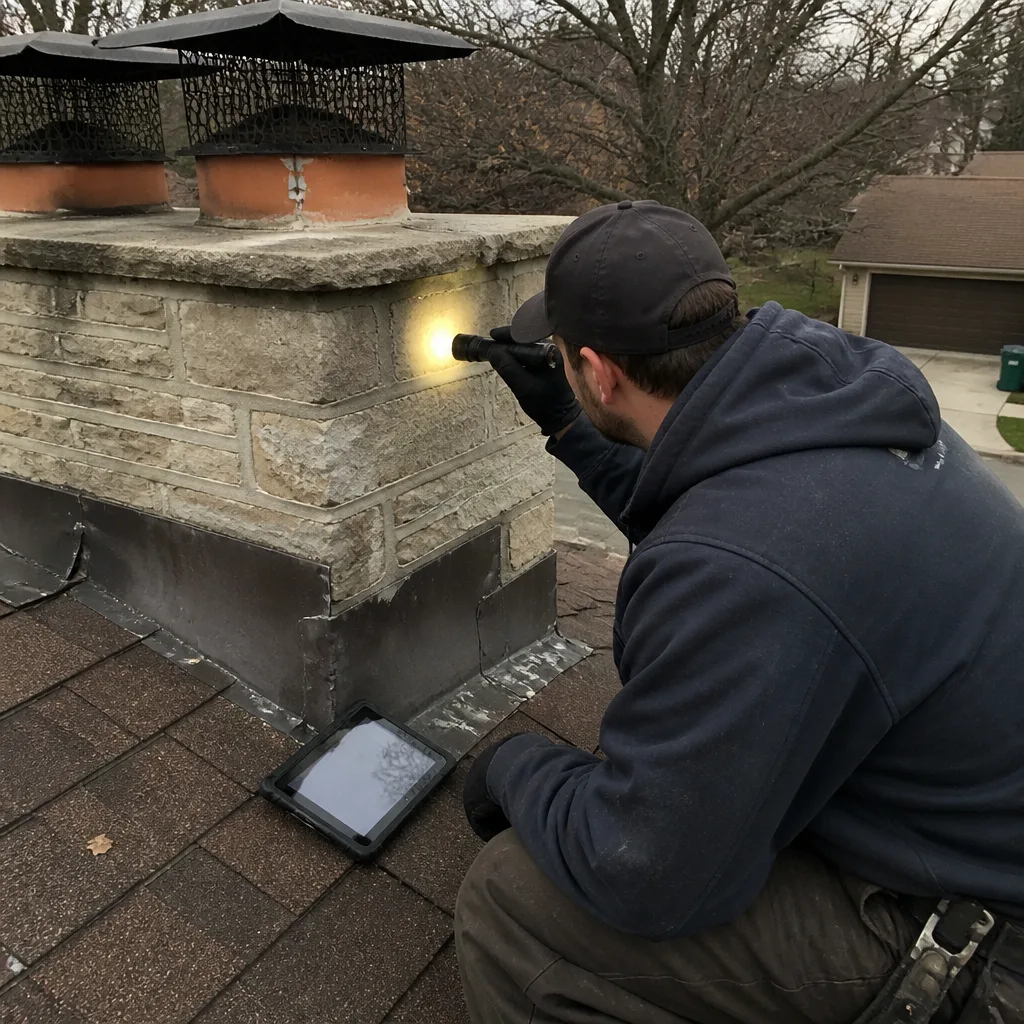
Real-Estate and Post-Event Inspections
A home sale inspection should always be a Level 2, because a standard home inspection rarely covers the flue interior or the concealed spaces around it. The same level applies after a chimney fire or a lightning strike nearby. We document findings in writing so a buyer, seller, or insurer has something concrete to work from.
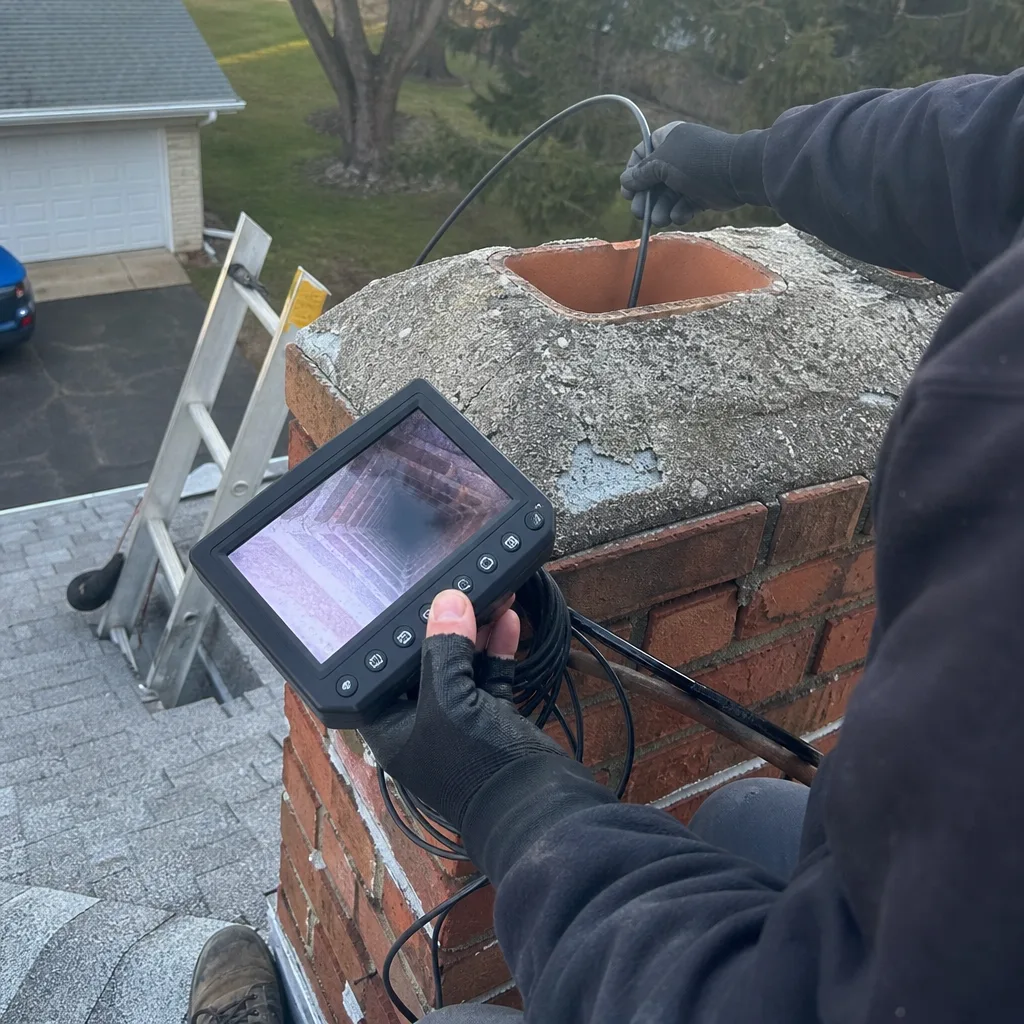
Chimney Flue Inspection
Chimney Flue Inspection is a look inside the flue itself – the passage that carries smoke and hot gases out of the house – and it’s the single most important part of any chimney assessment. The flue is where creosote accumulates, where liner tiles crack from thermal shock, and where an unlined or damaged flue can leak combustion gases into living space. We run a camera the full length of the flue, check every joint for offset tiles and gaps, and confirm the liner type matches the appliance it serves. Flue inspection as part of a standard visit runs about $150-$300; adding full camera documentation to a Level 2 brings it near $400. Call (877) 382-6902 to schedule.
Creosote and Soot Assessment
Creosote builds in stages, from soft soot to a glazed, tar-like layer that’s genuinely hard to remove and burns hot when it does ignite. We grade what’s in the flue and tell you what that grade means for your burning habits and your next sweep interval. Glazed creosote almost always points to a draft or fuel problem worth correcting.
Liner Condition and Sizing
Clay tile liners crack, spall, and shift at the joints, and a gap of even a fraction of an inch is enough to let heat reach framing or gases escape. We check liner continuity and confirm the flue is properly sized for the appliance – an oversized flue runs cold and drafts poorly. When the liner is compromised, we discuss relining with DuraFlex or Olympia Chimney systems and HeatShield restoration as an alternative to full replacement.
Chimney Fire
Chimney Fire damage is often invisible from the ground, which is why any chimney fire – even a small one the homeowner put out themselves – needs a proper inspection afterward. A chimney fire is the ignition of creosote or soot inside the flue, and it can reach temperatures high enough to crack tile liners, warp dampers, and scorch framing without ever showing flame at the top. We inspect the flue for cracked or spalled tile, check the smoke chamber and damper, examine the exterior for heat damage, and use camera footage to confirm the liner is still continuous. Post-fire inspection typically runs about $250-$450 depending on access and the level of documentation required. Call (877) 382-6902.
Warning Signs After a Fire
Puffy, honeycombed creosote, a warped damper, discolored metal on the cap, or a strong burnt smell that lingers are all evidence a fire happened in the flue. Neighbors sometimes report a roaring sound or an unusual amount of smoke, which is worth mentioning to us. Even a brief fire can leave a liner that looks fine but isn’t.
Preventing the Next One
Most chimney fires come down to creosote buildup combined with restricted draft, and both are manageable. Burning well-seasoned wood and avoiding long, cool, smoldering fires cuts creosote accumulation noticeably. Regular sweeping keeps the layer thin enough that it can’t sustain combustion.
Level 2 Chimney Inspection
Level 2 Chimney Inspection is the thorough, camera-based evaluation the chimney industry calls for whenever the conditions of use change or the chimney has been through something significant. It covers everything a basic check does plus the accessible portions of the attic, crawlspace, and the flue interior via video. You need one when you buy or sell a home, after a chimney fire, after a fuel or appliance change, following a storm or chimney leak, or when a Level 1 turns up something inconclusive. At Chimney Sweep Elgin, a Level 2 includes a full photo and video report you keep, and pricing runs about $250-$450 depending on accessibility and chimney configuration. Estimates are free and the written estimate sets the final price.
Video Documentation
We record the full flue run so you can see the same liner joints, cracks, and creosote layers the technician sees. That footage goes with the written report, which makes it useful for a real-estate transaction or an insurance conversation. Nothing in the recommendation rests on our word alone.
Attic and Crawlspace Access
Chimney problems often show up in the concealed space around the chase – staining on framing, rusted pipe, gaps at the ceiling penetration. We check those areas as part of a Level 2 rather than assuming the interior of the flue tells the whole story. Any found issue gets photographed and located in the report.
Chimney Leak
Chimney Leak diagnosis starts with ruling out the roof, because a leak that shows up as a ceiling stain near the chimney is often flashing, not masonry. Once we confirm the water is coming through the chimney itself, the usual culprits are a failed crown, deteriorated mortar joints, a missing or loose cap, or cracked flashing at the roof line. We inspect all four, identify where the water is actually entering, and repair it with proper components – Gelco and Famco caps and covers, CrownSeal or CrownCoat where the crown is repairable, and fresh flashing where it’s warranted. Leak diagnosis and repair typically runs about $200-$600 depending on the source and scope. Call (877) 382-6902.
Chasing the Source
Water travels, so we trace it rather than guessing at the first wet spot. We check the crown slope, the flashing seal, the mortar joints, and the cap in sequence and note what’s intact versus what needs repair. A proper cap is often what stops a leak that has been returning every spring.
Repair Materials That Last
Crown and mortar repairs are only as good as the material, which is why we use HeatShield restoration and CrownSeal rather than generic patch compound. For caps, Gelco and Famco provide proper weatherproofing and animal exclusion in one step. The repair addresses the source, not just the stain.
See the difference
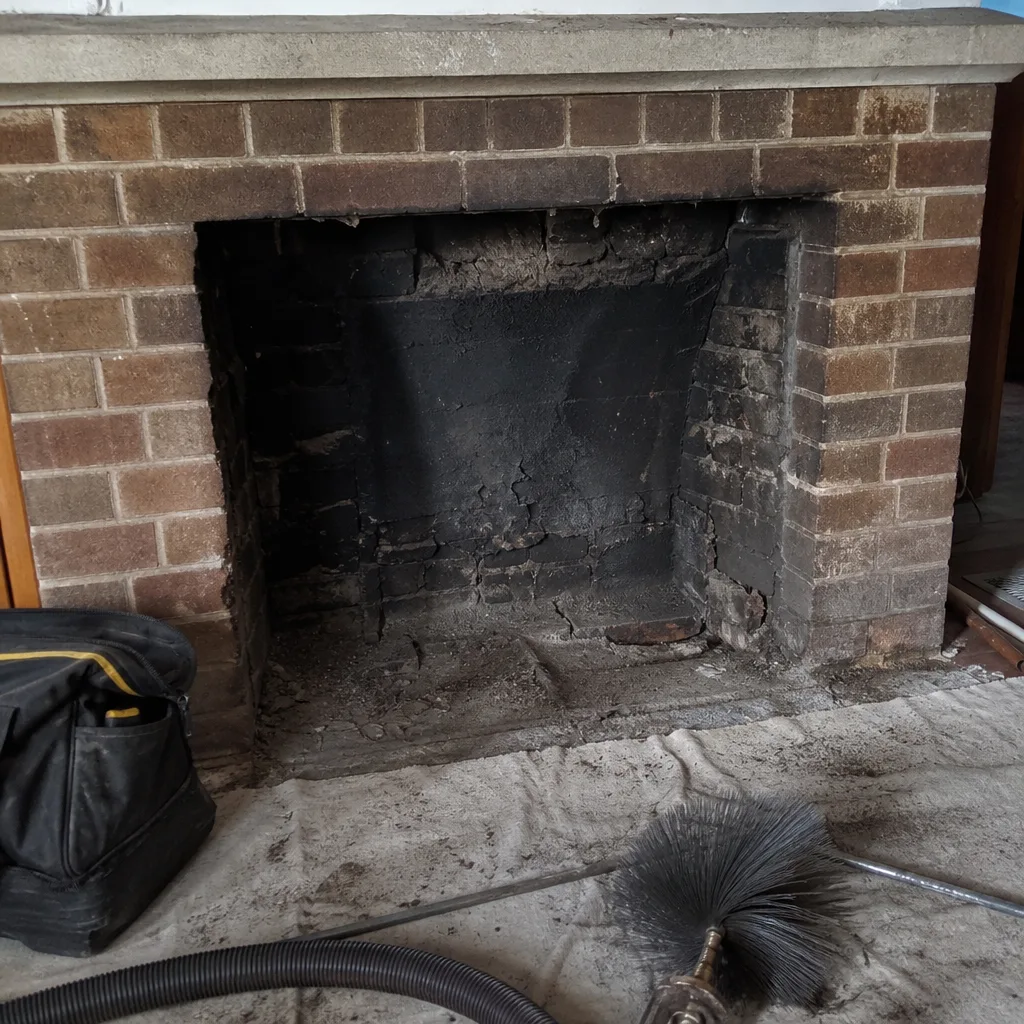 Before
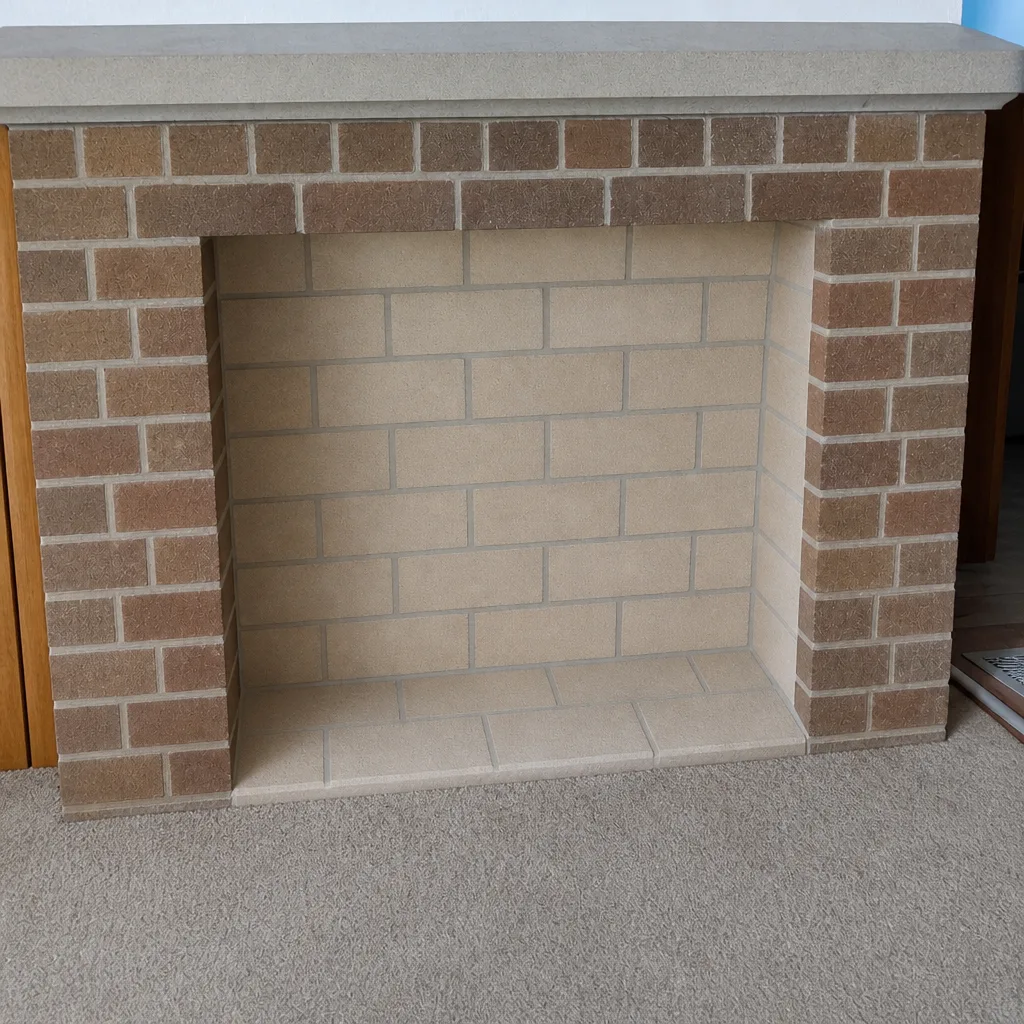 After
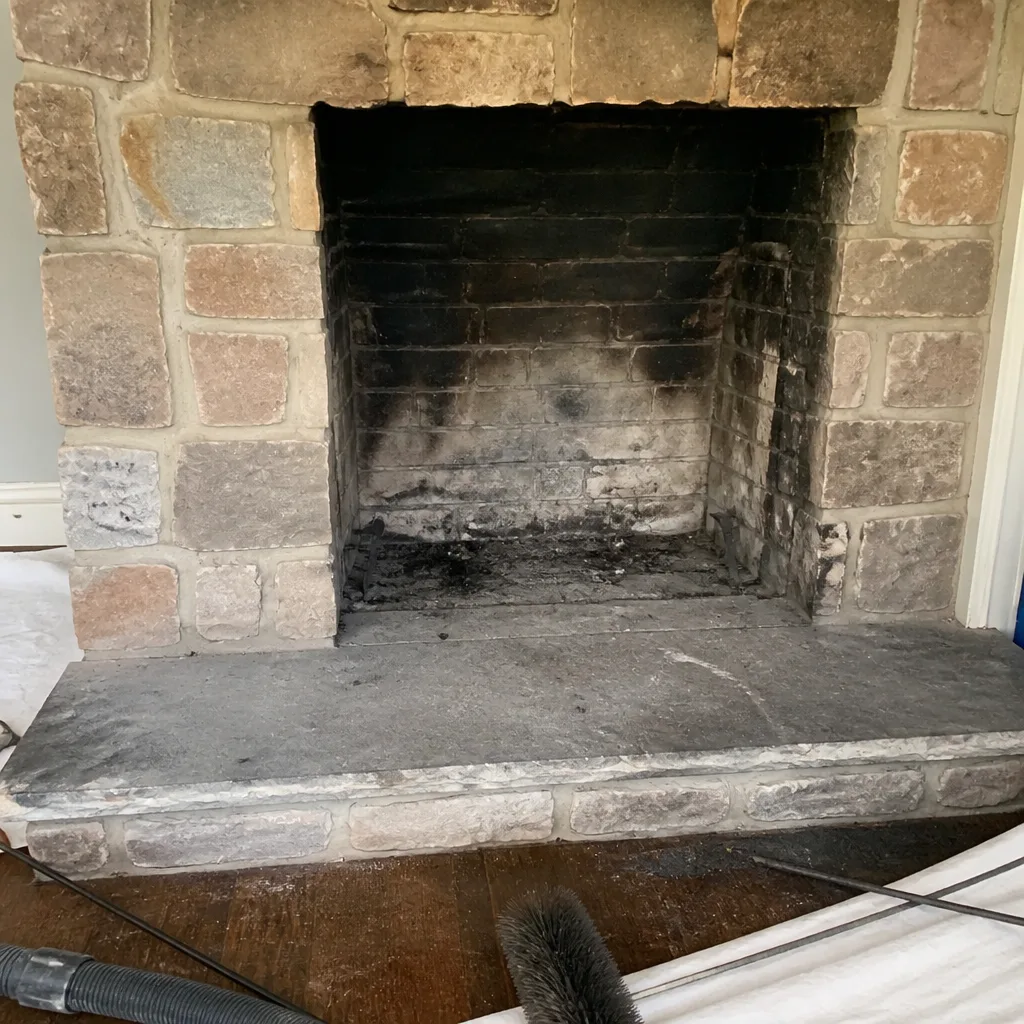 Before
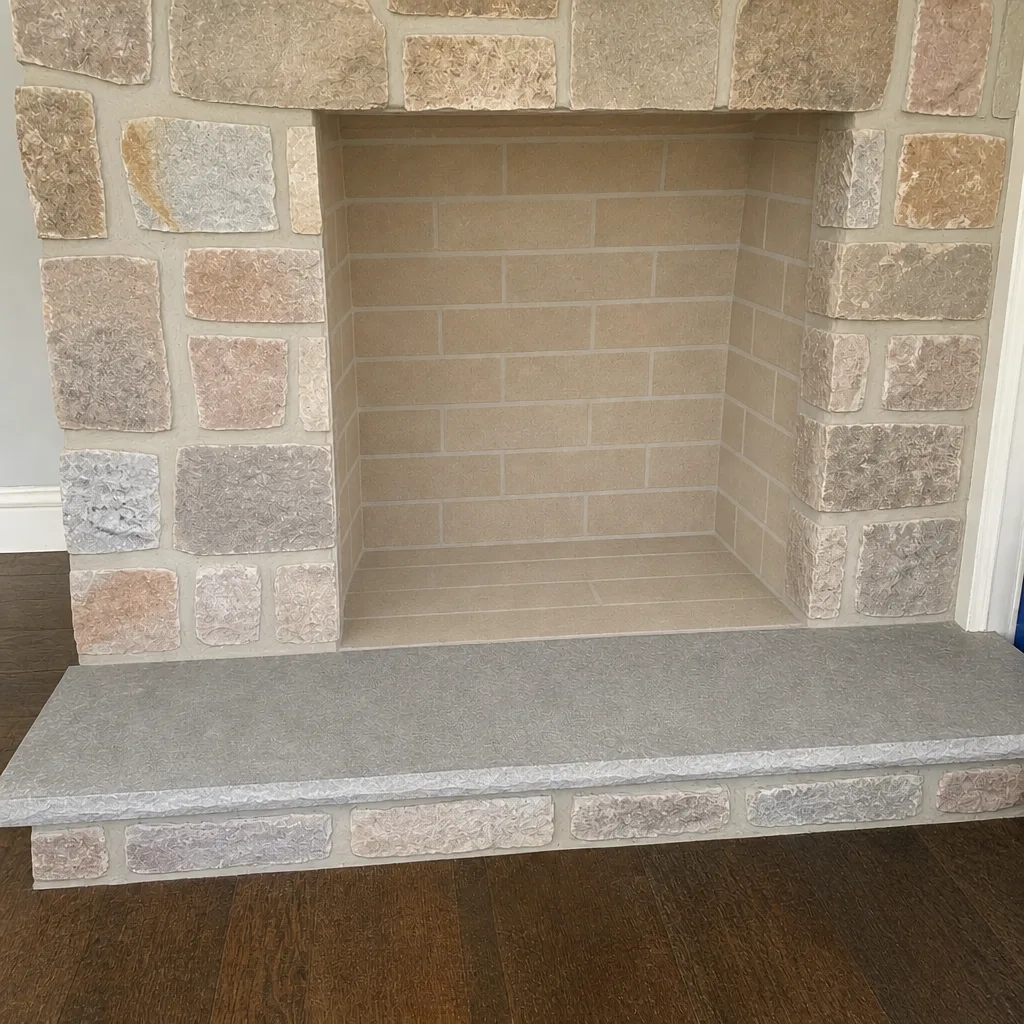 After
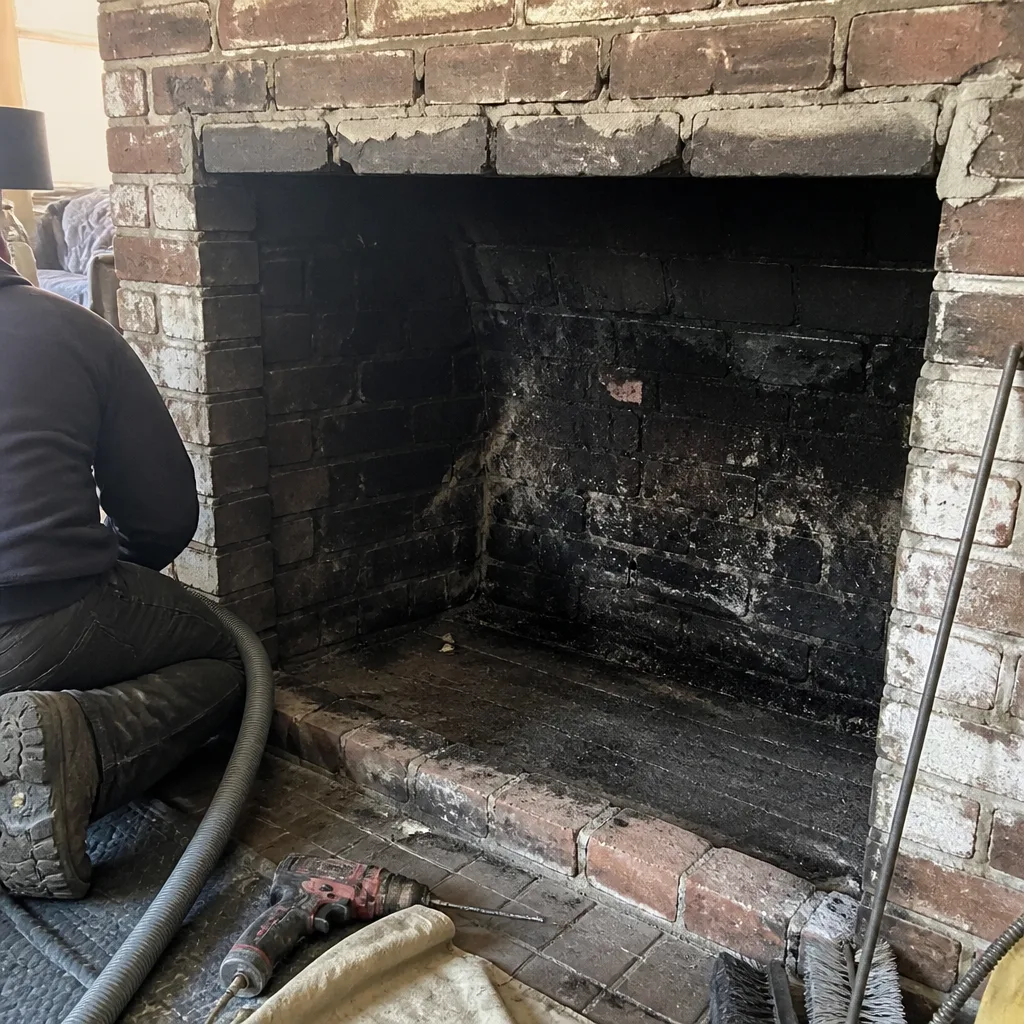 Before
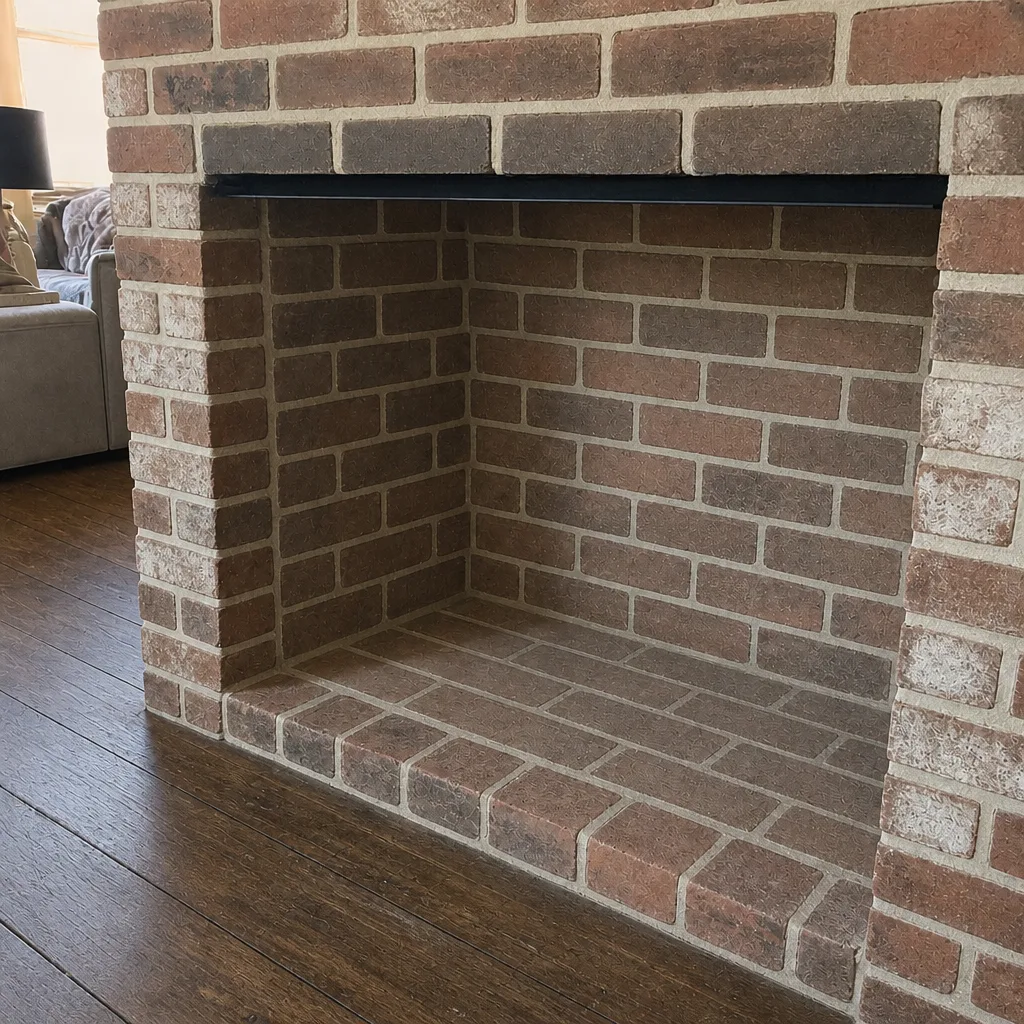 After
Chimney Camera Inspection
Chimney Camera Inspection uses a specialized video camera run through the flue to see what a visual look from the firebox can never reach – the full interior of the flue, upper joints, offsets, and the top termination. It’s necessary whenever there’s a suspected liner crack, a hidden gap at a tile offset, creosote at a glazed stage, or a post-fire assessment, and it’s the standard tool in a Level 2. The camera records continuously and we review the footage with you, pointing out exactly what we see and what it means. Camera inspection runs about $200-$400 as a standalone service, with pricing higher when it’s bundled into a full Level 2. Call (877) 382-6902 to book.
What the Camera Reveals
A camera catches hairline cracks, spalled tile faces, misaligned joints, and gaps that hand tools and mirrors can’t reach. It also shows us where creosote has collected in a way that suggests a draft problem. The footage is the evidence behind every recommendation we make.
Interpreting the Footage
We walk you through the recording in plain language: what’s normal wear, what’s a real defect, and what can safely wait. If the liner is sound, we’ll say so and put the footage in the report so you have a record. Nothing gets recommended on fear alone.
Brands We Service
We work with DuraFlex and Olympia Chimney liner systems for relining jobs, and we know exactly where these flexible liners wear, how they seat at the top plate, and what proper sizing looks like for a given appliance. Both are industry-standard products with manufacturer documentation behind them, which matters when you’re making a decision about a permanent component of your chimney. We also install Gelco and Famco chimney caps and covers when weatherproofing or animal exclusion is part of the repair.
HeatShield and Copperfield materials come into play for restoration and repair work, and we use them because they’re designed specifically for chimney applications rather than adapted from general construction. When a repair calls for a material, we tell you what it is and why we chose it, so you can look it up before you sign. Whether you have a DuraFlex liner or any other make, we can help you assess it and, if needed, plan the next step.
Signs You Need a Pro Right Now
- Smoke rolling into the room when you light a fire. That’s a draft or blockage problem, and it can push combustion gases into living space. It needs a flue inspection before you burn again.
- A strong burnt or tar-like smell, especially in humid weather. Creosote is off-gassing, which means there’s more of it in the flue than there should be. That’s a fire-loading condition worth addressing soon.
- Water stains on the ceiling or chimney breast after rain. A chimney leak left alone rots framing and freezes inside masonry, widening cracks over winter. Find the source before the next storm.
- Visible cracks, missing mortar, or a crumbling crown from the ground. Exterior deterioration lets water in and reflects what’s happening inside the flue. An inspection tells you whether it’s cosmetic or structural.
- You’ve never had the chimney inspected and you burn regularly. Unknown flue condition is the most common reason a chimney fire catches a homeowner off guard. A single inspection answers the question.
Our Process, Step by Step
- 1
We ask about the chimney before we see it. Fuel type, appliance, how often you burn, and any past problems or repairs go into the record before we arrive. That context tells us which inspection level fits.
- 2
We protect the room and start from the firebox. Drop cloths go down, and we assess the firebox, damper, smoke shelf, and the first section of flue visually. Any debris or soot we dislodge is contained from the start.
- 3
We run the camera and document the flue. The camera travels the full flue run, and we watch for tile cracks, joint offsets, and creosote staging. Everything gets recorded with photos and video you keep.
- 4
We check the exterior and concealed spaces. At the roof we examine the cap, crown, flashing, and masonry joints. Where a Level 2 applies, we look at the attic and crawlspace for staining or gaps around the chase.
- 5
We review findings with you before we leave. You see the footage, hear what’s normal and what isn’t, and get a written report with a recommended repair if one is needed. When the fix is something we handle – relining, caps, crowns, HeatShield restoration – we quote it in writing. Nothing gets added without your approval.
Serving Elgin, IL – Our Local Coverage Area
We serve Elgin and nearby communities. Use the map below to see the area we cover. If you’re nearby, we can almost certainly help.
How Much Does Chimney Inspection Cost in Elgin?
Chimney inspection in Elgin typically runs $150-$450, with the exact figure depending on which inspection level your chimney needs and how accessible the flue is. A standard Level 1 visual inspection for a chimney you burn regularly runs about $150-$250. A Level 2 with full camera documentation for a home sale, post-fire check, or appliance change runs about $250-$450. If outdoor conditions mean the roof is unsafe to walk, we recommend deferring the exterior portion of the inspection rather than proceeding and note it clearly on the report so it gets addressed at the next visit.
Sev